

Introduction
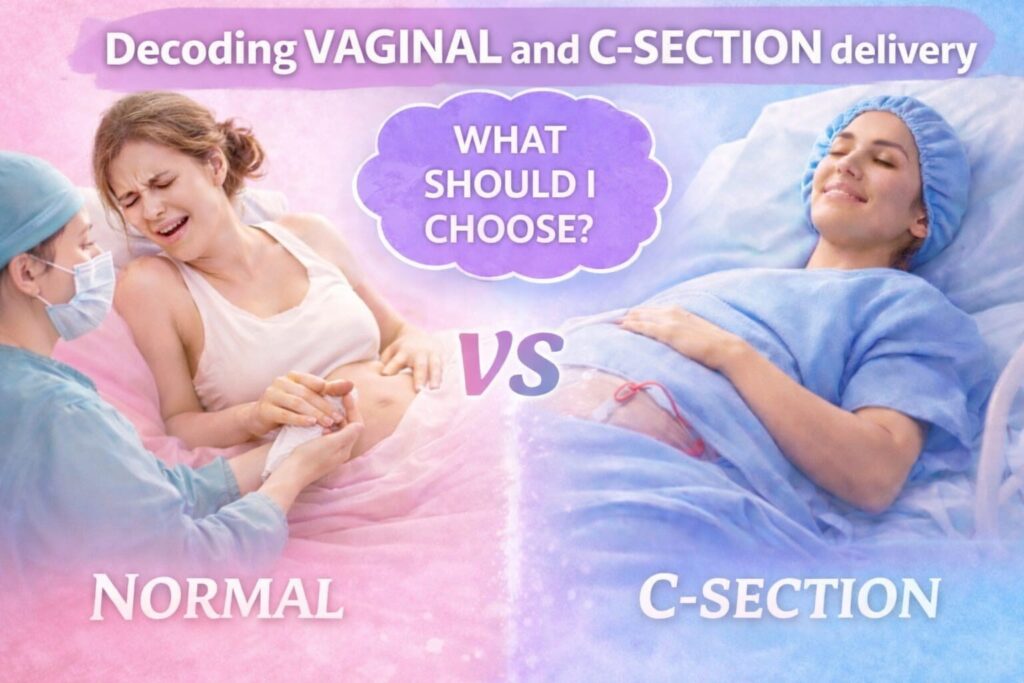
Most people assume ,Vaginal deliveries are safer and a better way to deliver a child than C-section deliveries, but that’s not true in all cases as C-section deliveries can be life-saving in many situations such as complicated deliveries, high-risk pregnancies where the child or the mother or both are in danger.
So let’s try to understand each of it briefly
- Knowing more about these before your delivery might help you while you go through it.
Definition
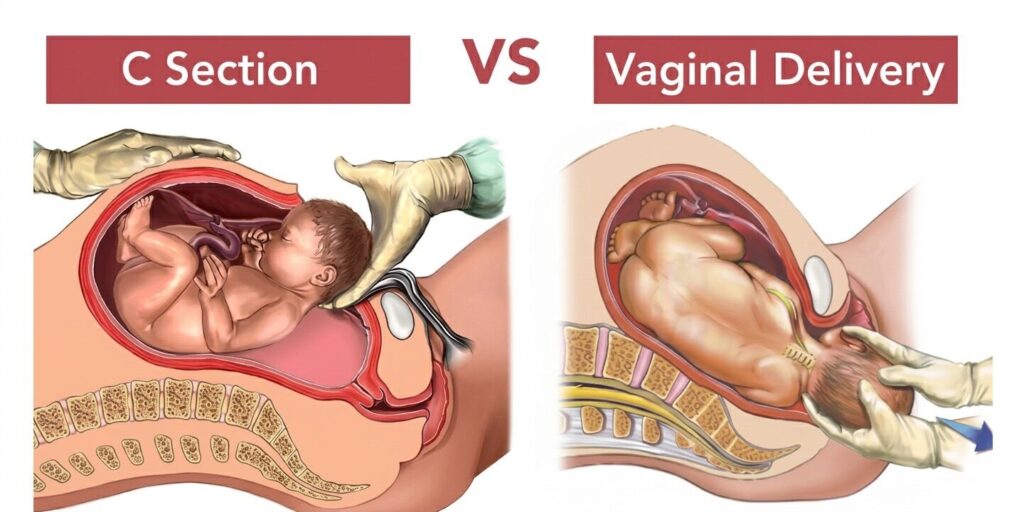
Vaginal delivery -It is the process of giving birth to a fetus through the vagina.
Please check out the educational video below for a better understanding of the procedure of vaginal delivery.
Types of vaginal deliveries:
A. Spontaneous vaginal delivery- The delivery of the baby through the birth canal naturally without any labor-inducing drugs , instrumental intervention, and operative intervention.
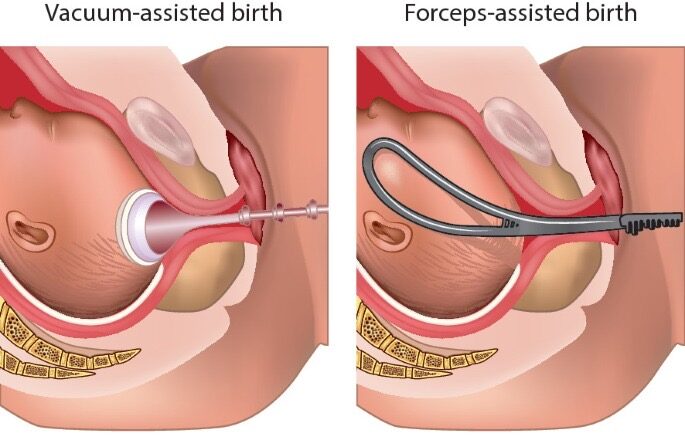
B. Assisted vaginal delivery- Instruments used to facilitate vaginal delivery.
- Forceps-assisted birth
- Vacuum-assisted birth
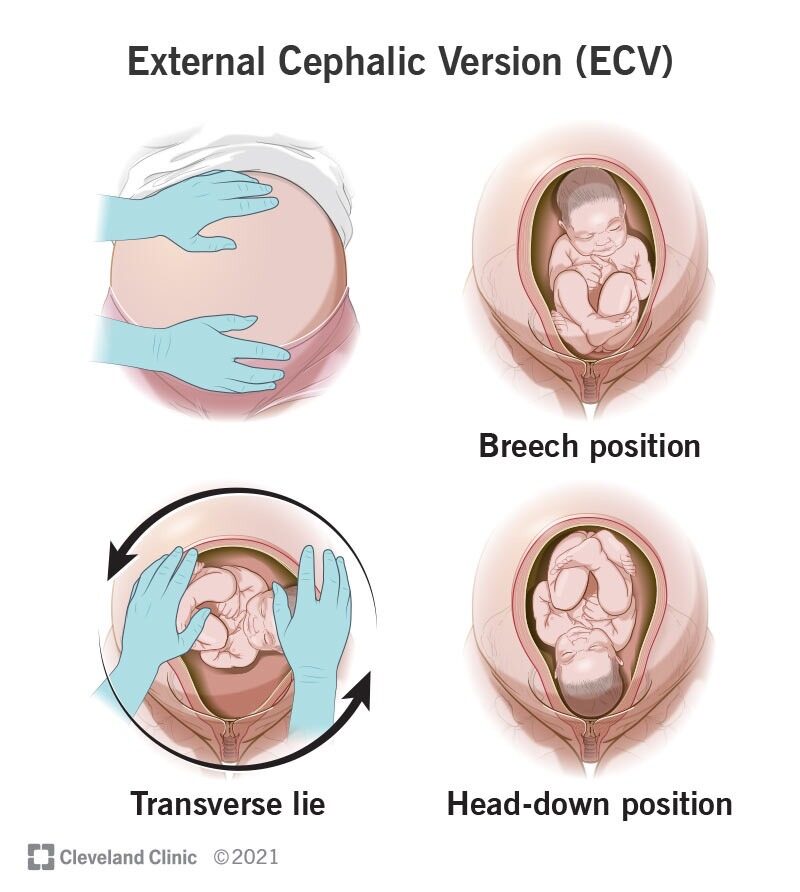
- Version
Cesarean section delivery –
It is an operative procedure whereby the fetus after the end of 28 weeks is delivered through an incision on the abdominal wall.
Please check out the educational video below for a better understanding of the procedure of C-section.
Types of C-section deliveries, based on the time of operation:
- Elective – When the operation is done at a prearranged time during pregnancy to ensure the best quality of obstetrics, anesthesia, neonatal resuscitation, and nursing service.
- Emergency -When the operation is done due to obstetric emergencies like fetal distress.
Differences
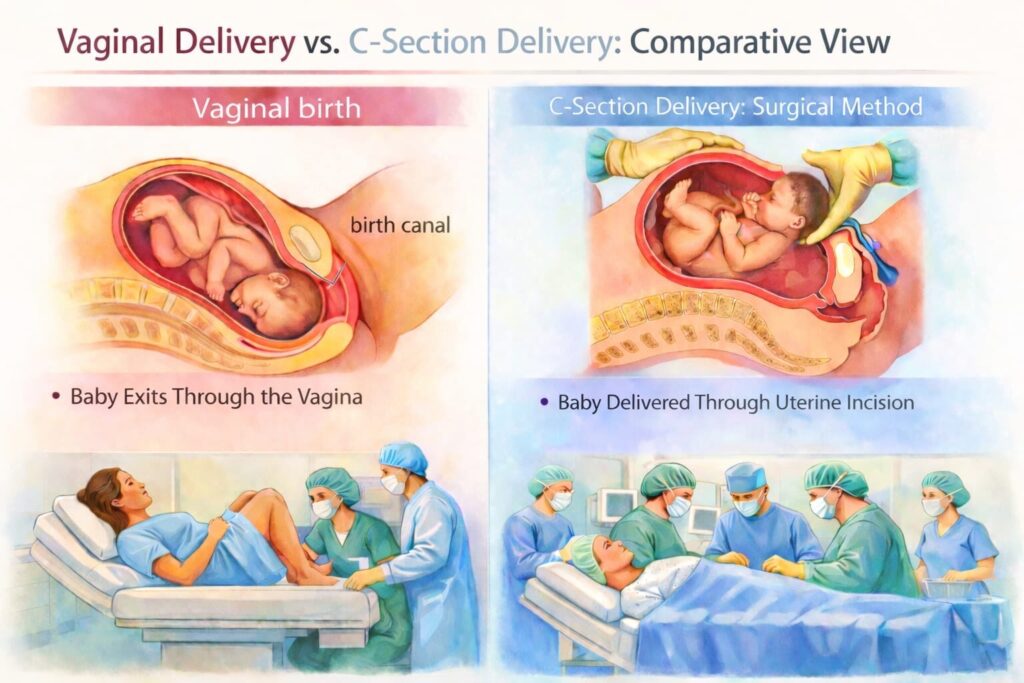
| Vaginal delivery | C-section delivery | |
| Procedure type | Natural | Surgical |
| Duration | May take few hours | Usually 40-60 minutes |
| Recovery time | 2-6 weeks | 6-8 weeks |
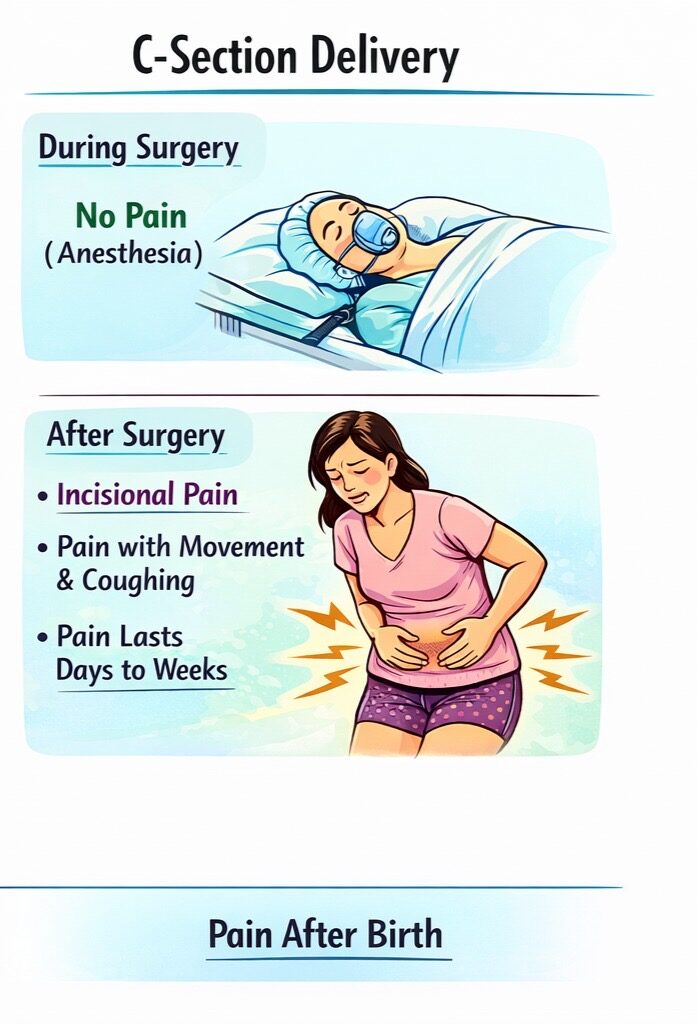
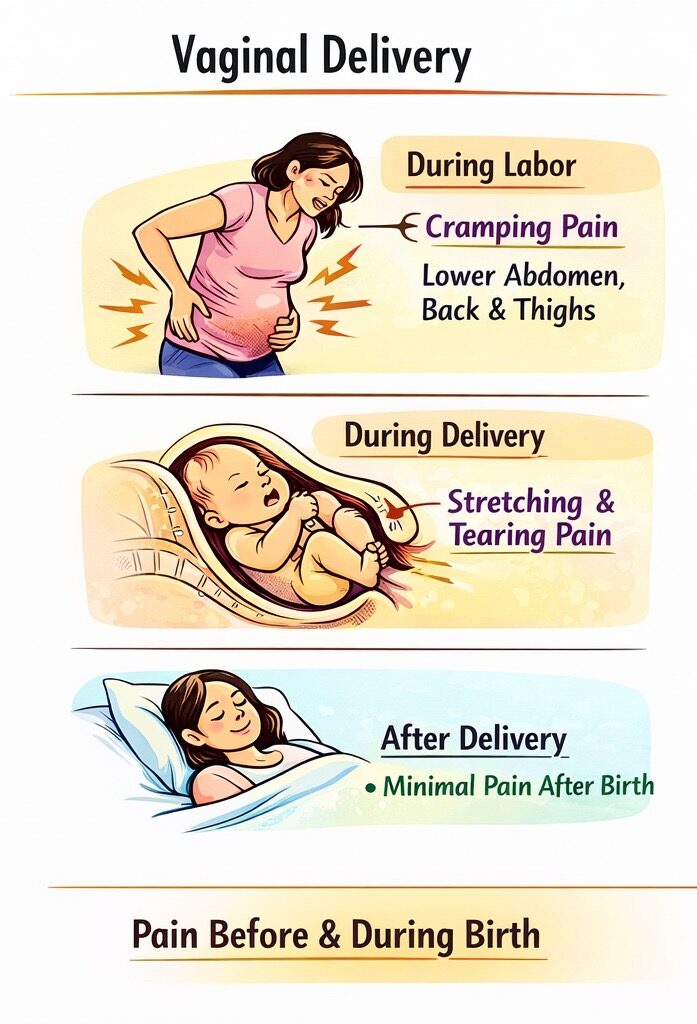
| Pain | Painful during labor but can be reduced with medical interventions | During the procedure anesthesia is used but there will be post-surgical pain due to incision recoveries |
| Cost | Lesser than c-section | Usually costly |
| Risks | Vaginal tears during birth Postpartum hemorrhages | Blood loss blood clots There can be complications in future pregnancies |
Pros and cons of Vaginal and C-section delivery :
Vaginal delivery
| Pros | Cons |
| Hospitalization is only for 1-2 days after birth | Unplanned onset of labor |
| Baby’s immune system develops when they are exposed to bacteria that are present in the mother’s birth canal | Vaginal tears and injuries happens during the process |
| A significant amount of fetal lung fluid is squeezed out when the baby passes through the birth canal which helps the baby to breath | Very painful process |
| Blood loss is minimal when compared to c-section | Baby risks birth injuries due to shoulder dystocia( baby’s head delivered but shoulder becomes struck behind mother’s pelvic bone) |
C-section delivery :
| Pros | Cons |
| Life-saving in many complicated cases | Hospitalization after birth for 4-6 days |
| Planned – less anxiety and stress of labor | Need blood transfusion |
| No pain during the procedure, because anesthesia is given | Infections at the surgical sites |
| Less traumatic injury to genital tract | Difficulty in wound healing |
How can you choose between vaginal and C-section delivery?
To decide which type of delivery you can undergo, better knowledge about the pregnancy risks, medical conditions, mother’s health status, and lifestyle preferences might help you to choose the best for the mother and baby .
Personal reasons for choosing C-section delivery :
- Fear of labor
- Past traumatic birthing experience
- Parents can plan and prepare for the day of birth of their baby
Medical reasons for choosing c-section delivery :
- Fetal distress (like decreased fetal heart rate)
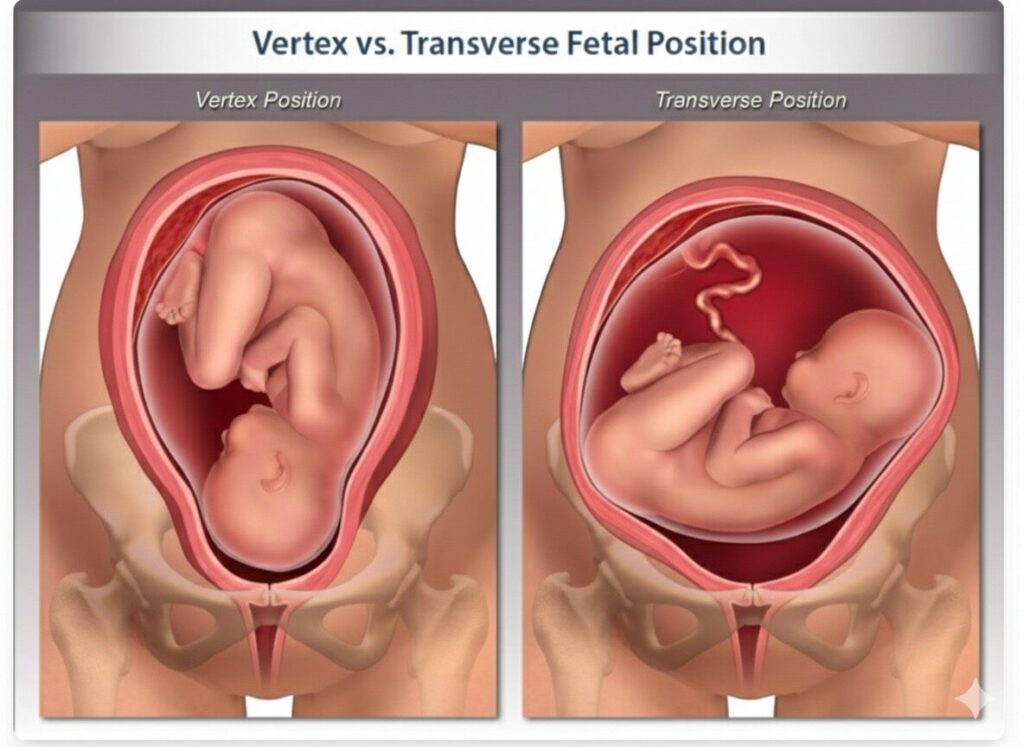
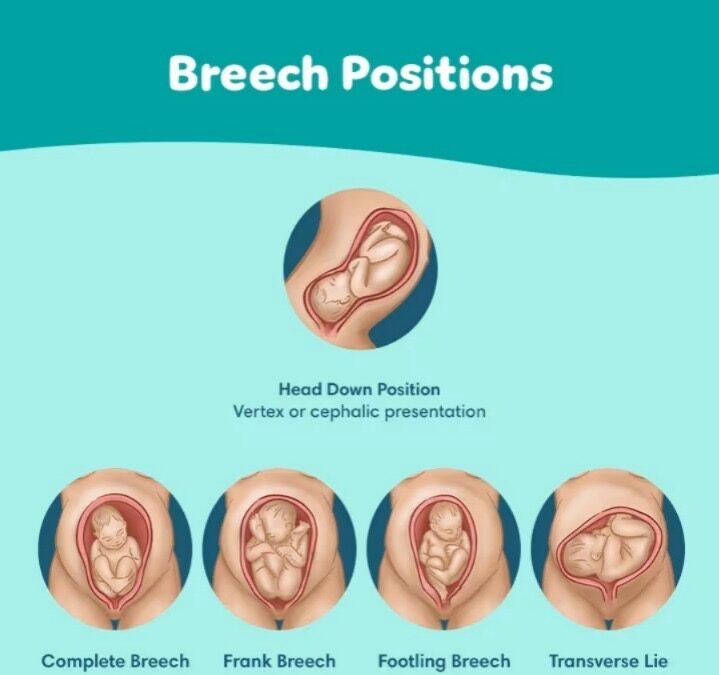
- Transverse position of the baby in the uterus
- Size of the baby.
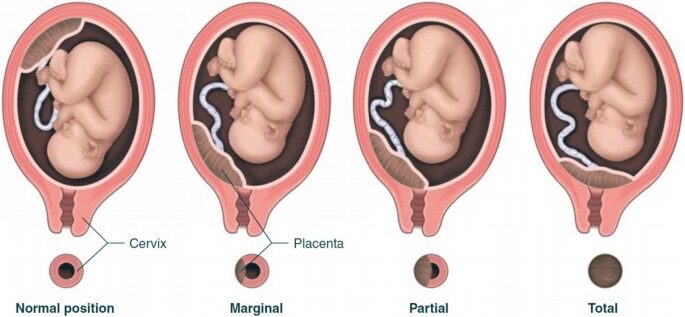
- Placenta previa (it is a pregnancy complication where the placenta attaches low in the uterus, partially or completely covering the cervix -for the exit of the baby).
- Mother with complications like increased blood pressure , diabetes .
- Twins .
- Mother with previous multiple c-sections .
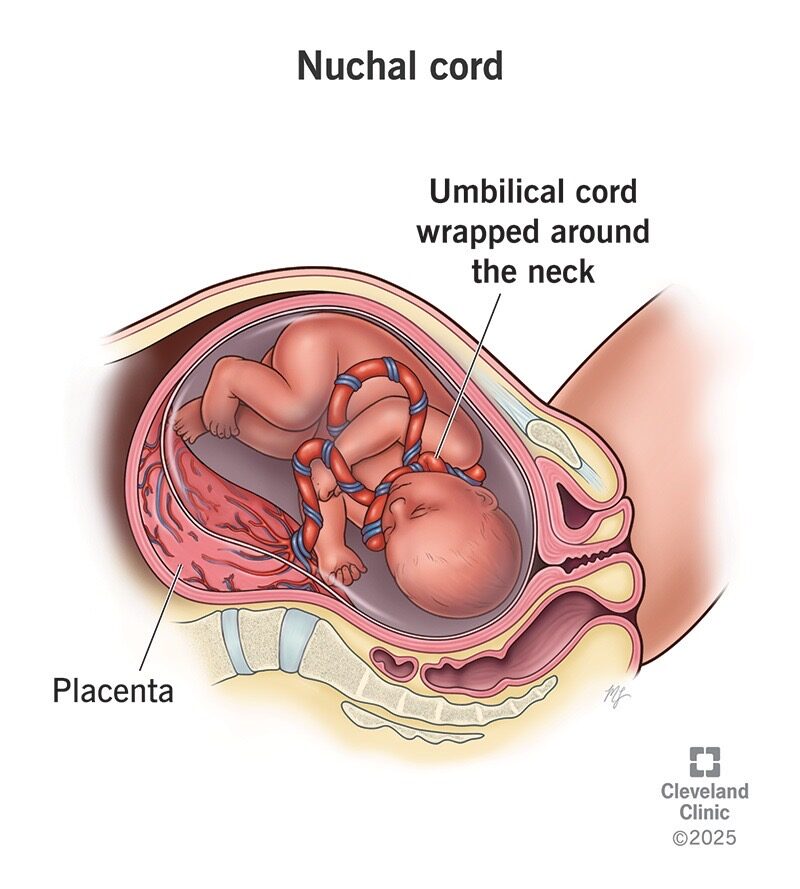
- Nuchal cord :Umbilical cord wrapped around the baby may decrease oxygen supply to the baby.
Vaginal birth after c-section [VBAC] – Is it possible?
YES, It is possible to have a vaginal delivery after c-section but your eligibility for a successful VBAC depends on various medical and personal circumstances.
| Myths | Facts |
| Once you have a c-section you can never deliver vaginally. | women can have VBAC (Vaginal Birth After Cesarean) depending on medical conditions. |
| If you try for a vaginal birth after c section, you cannot have a C-section if things go wrong | You can choose to have a repeat cesarean if a vaginal trial of labor (TOLAC) does not proceed as planned. |
| You cannot have a vaginal birth after c section, if you have had more than one C-section. | While it increases risks, a vaginal birth after c section may still be an option for some women with multiple prior C-sections. |
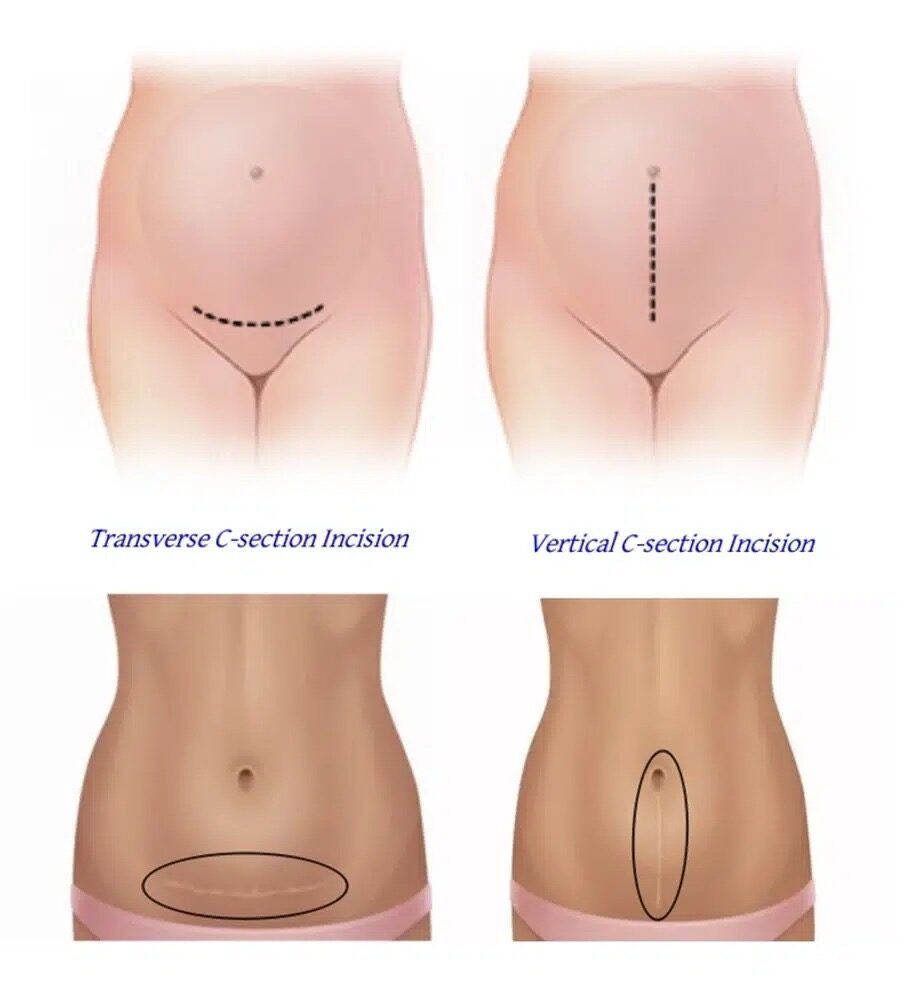
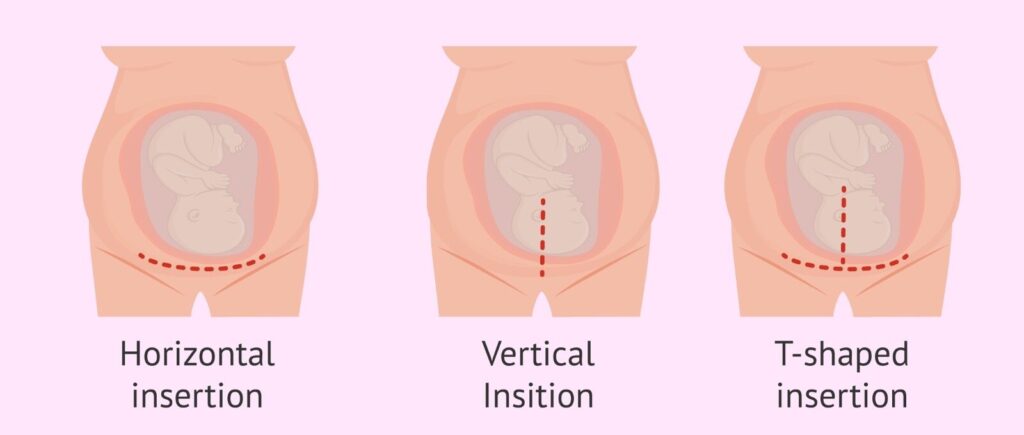
| A Vaginal birth after c section is only possible if the previous scar was low-transverse | While a low transverse incision is ideal , it is not the only factor. However, a classical vertical incision generally precludes a trial of labor. |
| Vaginal birth after c section is extremely dangerous | For suitable candidates, vaginal birth after c section is generally safe. The primary risk is a uterine scar rupture, but this occurs in less than 1% of cases. |
Predictors of vaginal birth after c-section:
| Factors | Success rate |
| Prior nonrecurring indications like fetal distress [ reasons for a previous Cesarean section (C-section) that were specific to that pregnancy and are unlikely to happen again in a subsequent one] | 73% |
| Women having prior vaginal delivery | 87% |
| Baby’s weight | Higher the weight, lower the success rate |
| Spontaneous onset of labor in the present pregnancy | 80% |
| Women with prior successful Vaginal birth after c-section | 85-90% |
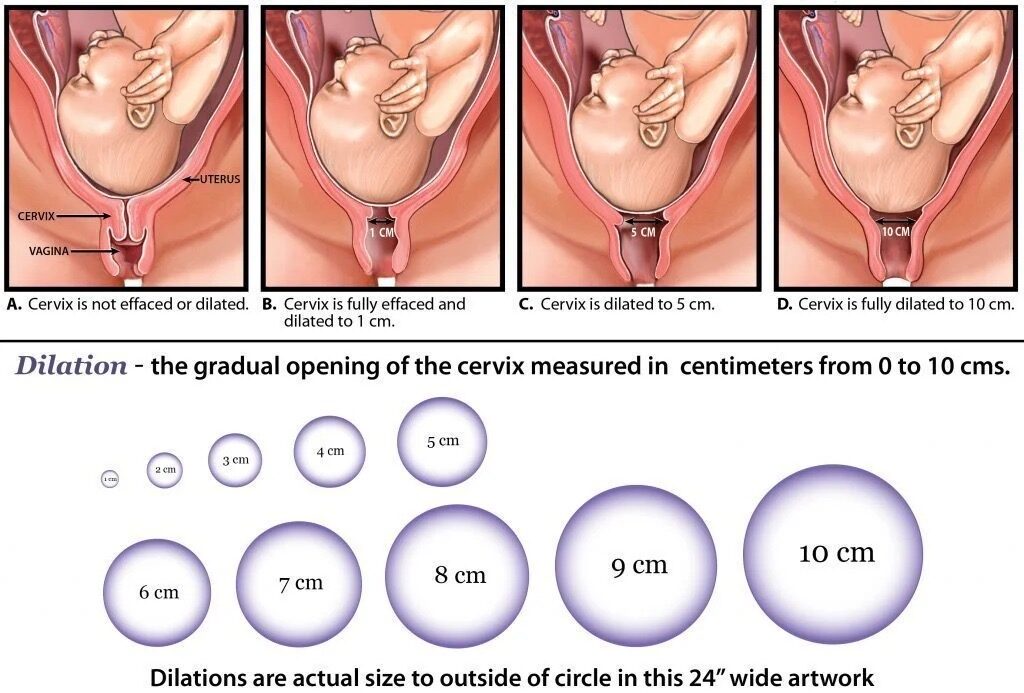
| Cervical dilatation >4cm (on admission) | 86% |
| Women with prior cesarean due to breech presentation – A baby positioned bottom- or feet-first instead of head-down before birth. | 89% |
| Women who are obese and elderly | lower |
Trial of labor after cesarean [TOLAC] is successful in most of the cases (70-80%).
Benefits of VBAC :
- 0.5% chance of uterus rupture.
- Chance of future vaginal births.
- Decreased maternal infections.
- Reduced length of hospital stay.
- Decreased need for blood transfusion.
- Decreased need for successive cesarean delivery in the next pregnancy.
Selection criteria of cases for VBAC :
- One or two previous lower segment transverse scars.
- Pelvis adequate for the baby.
- Continued labor monitoring possible.
- Availability of resources ( anesthesia, blood transfusion and operation theater ) for emergency cesarean section within 30 minutes of decision.
- Informed consent of the women.
- Success of TOLAC – 72-75%.
Risk factor for TOLAC :
- Previous classical or inverted T-shaped uterine incision.
- Previously more than two c-section deliveries.
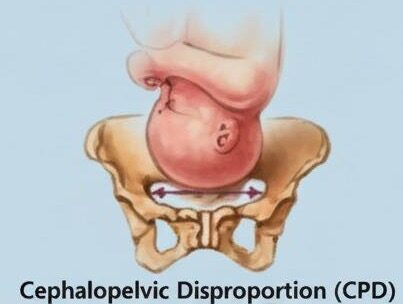
- Pelvis contracted or suspected Cephalopelvic disproportion (CPD) – Occurs when the baby’s head is too large or the mother’s pelvis is too small /shaped incorrectly for a safe vaginal delivery.
- Presence of complications in pregnancy like increased blood pressure , placenta previa .
- Resources limited for an emergency cesarean delivery or patient refusal of TOLAC.
- Previous uterine rupture.
- Cases admitted as emergencies.
Break the stereotype
- The society divides mothers based on how they delivered their baby – “vaginal delivery or cesarean delivery”.
- Instead of judging delivery methods, society should respect medical decisions, support mothers, and focus on maternal and neonatal health rather than stigma.
- Every birth story is different , each pregnancy and labor is unique.
What matters most is:
- Healthy mother
- Healthy baby
- Safe outcomes of medical decision
- Motherhood Is Not Defined by the Delivery Method.
- Another stereotype is that “Real mothers deliver normally.”
This idea is harmful because:
- Motherhood depends on care, love, and responsibility and not the method of delivery.
- Every mother undergoes physical and emotional challenges during childbirth.
- Let us break the stereotype and remember “A healthy mother and a healthy baby- that is the real success of childbirth”.
Conclusion :
Choosing between vaginal and c-section delivery is challenging as both have their own advantages and disadvantages . One must consider the doctor’s advice , mother’s health status ,fetal conditions, medical considerations to have a risk-free , well timed , contented delivery. Modern medical innovations ensure that both the methods are safe and the principal aim is to ensure the welfare of both mother and the child.

References:
- DC Dutta Obstetrics 10th Edition.
- Williams obstetrics 26th Edition.
- The Mother baby center : https://www.themotherbabycenter.org/blog/2023/04/c-section-vs-vaginal-birth/
- Krishna medical center : https://www.krishnamedicalcentre.org/blog/normal-vaginal-delivery-vs-lscs-c-section-benefits-risks
- National Library of Medicine (NIH) : https://pmc.ncbi.nlm.nih.gov/articles/PMC8997327/
- Kangaroo care India : https://kangaroocareindia.com/blogs/vaginal-birth-vs-c-section-understanding-the-pros-and-cons/152
- Kauvery hospital : https://www.kauveryhospital.com/blog/obstetrics-and-gynecology/c-section-vs-natural-delivery-what-to-keep-in-mind-for-a-safe-birthing-experience/
- Apollo Cradle : https://www.apollocradle.com/blog/maternity/normal-vs-c-section-delivery