
‘’Stress everywhere: why this conversation matters today’’
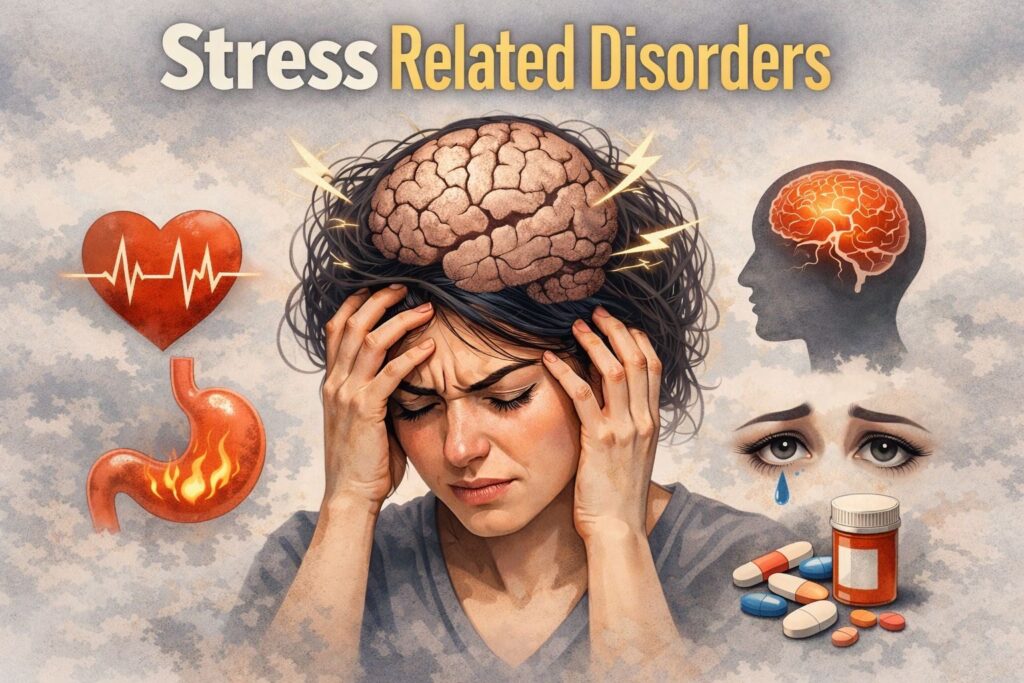
Stress has become an almost universal experience in modern life shaped by academic pressure, economic uncertainty , social media and societal pressure.
Ignoring stress not only affects mental well being but also has long term consequences on physical health, productivity and relationships. Talking about stress helps in normalizing seeking support and encourages healthy coping mechanisms and promotes awareness at both individual and societal levels.
Stress explained: “helpful pressure or harmful burden?”
Stress is a common and normal response to challenging or new situations.
While everyone will feel stress at times, each person’s experience will be different. Knowing what makes you stressed and how you respond to different challenges in life will help you manage stressful periods.
While we often think of stress as something negative to be avoided, it is a natural and expected part of daily life. You might be surprised to hear that some stress is actually considered “good stress.” Also known as eustress
When we feel good stress, our heart rate increases, our breathing rate increases, and we feel a thrill of excitement. It’s a short-term change in our bodies that helps us to feel prepared, energized, and ready to perform at our best.
For example;
- Engaging in physical exercise: Moving your body can be a form of good stress. As you keep working, you can add challenges that help build your physical strength, flexibility, and endurance.

- Traveling to new places: Travel brings new experiences and challenges and allows you to meet new people and learn more about different cultures. It can be stressful, but it’s a good sort of stress as long as you’re excited and having fun.

So, is stress really that bad?;
Stress becomes a problem when it lasts a long time, or if you feel overwhelmed and unable to cope with your situation. When this happens, it’s important to take steps to manage your stress so you can continue to function well in your daily life.
For example
Toxic work environment: constant pressure, unrealistic deadlines, and hostile coworkers can lead to burnout and negatively impact mental health.
Financial instability: ongoing money worries, debt, or inability to meet basic needs can cause severe anxiety and affect overall quality of life.
You can identify bad stress when:
- It’s chronic. Even if it was once something you looked forward to, you now feel as if there’s no end in sight.
- You can’t control it. You become unable to set effective boundaries or manage them efficiently.
- It prevents you from doing anything else. If the stressor takes up all of your time or prevents you from doing other things you want to do, you may become resentful.
- It feels out of line with your goals. You don’t see the long-term benefit, so it no longer feels as if the stress is worth it.
- It comes into direct conflict with another priority or value. Having to choose between conflicting values can make a mildly stressful situation emotionally taxing.
What really happens to you in chronic stress
Stress symptoms may be affecting your health, even though you might not know it. You may blame sickness for that annoying headache, your sleeping troubles, feeling unwell or your lack of focus at work. But stress may really be the cause
Common effects of stress include;
| On your body | On your mind | On your behaviour |
| Headache | Anxiety | Overeating or undereating |
| Muscle tension or pain | Restlessness | Angry outbursts |
| Chest pain | Lack of motivation or focus | Drug or alcohol misuse |
| Fatigue | Memory problems | Tobacco use |
| Change in sex drive | Feeling overwhelmed | Avoiding friends and staying at home |
| Stomach upset | Grumpiness or anger | Exercising less often |
| Sleep problems | Sadness or depression | |
Common stress related mental disorders: “more than just worry or sadness”
Stress-related disorders are illnesses that arise after a traumatic or highly stressful external event, often ones that put you or people you love at risk of significant harm. A stress disorder can occur when your mind and body are having trouble coping with and processing these challenging experiences.
Why do some people get affected more than others?: “why some cope and others struggle”
Certain aspects of personality can cause you to react differently to stress than others.Some traits may help you cope in a healthy way. This may include reaching out to others for support or having a positive outlook. Other personality traits lead to avoidance, which may not resolve stress’s emotional and physical symptom
There are five main personality traits.
Your personality can include all or some of these traits. However, some may be more dominant than others.
This is known as the five-factor personality model.
- Neuroticism: emotional instability, self-consciousness
- Extraversion: seeks out excitement and social interactions
- Openness: creative, aesthetic, looks for new experiences
- Agreeableness: tends to be cooperative, trusting, gets along with others
- Conscientiousness: dutiful, competent, has a sense of purpose
These traits may, in part, determine how you respond to stress. For example neuroticism has the biggest association with a negative stress response. And people with this trait may have a lower stress tolerance level.
Some personality traits, like extraversion and openness, result in more happy events over the course of a lifetime, which can mitigate stressful experiences. Additionally, extraversion and openness may lead to a positive outlook on life events
If you’re extroverted, you may be more likely to seek social support when experiencing stress compared to an introvert.
Those with agreeableness as a trait were better able to reinterpret situations and grow from them.
Getting better: help, healing and hope
Get active
Almost any form of physical activity can act as a stress reliever. Even if you’re not an athlete or you’re out of shape, exercise can still be a good stress reliever.

Eat a healthy diet
Eating a healthy diet is an important part of taking care of yourself. Aim to eat many fruits, vegetables and whole grains.

Avoid unhealthy habits
Some people may deal with stress with unhealthy habits. These may include drinking too much caffeine or alcohol, smoking, eating too much, or using illegal substances. These habits can harm your health and increase your stress levels.

Meditate
During meditation, you focus your attention and quiet the stream of jumbled thoughts that may be crowding your mind and causing stress. Meditation can give you a sense of calm, peace and balance that can help both your emotional well-being and your overall health.

Connect with others
When you’re stressed and irritable, you may want to isolate yourself. Instead, reach out to family and friends and make social connections. Even one good friend who listens can make a difference.

Get enough sleep
Stress can cause you to have trouble falling asleep. When you have too much to do and too much to think about your sleep can suffer. But sleep is the time when your brain and body recharge. Most adults need about 7 to 9 hours of sleep each night.

Seek counseling
If new stressors are making it hard for you to cope or if self-care measures aren’t relieving your stress, you may want to think about therapy or counseling. Therapy also may be a good idea if you feel overwhelmed or trapped. You also may think about therapy if you worry a great deal, or if you have trouble carrying out daily routines or meeting duties at work, home or school.
Professional counselors or therapists can help you find the sources of your stress and learn new coping tools.

Conclusion
To summarise stress is a complex psychological and biological phenomenon with great health implications ,turning from a survival tool into a major health risk when chronic. Managing stress with the help of lifestyle changes and psychological interventions isn’t just about feeling better it’s necessary to prevent serious cardiovascular diseases and weakened immunity. Remember that asking for support is a sign of strength. Take that first step today your mental health is worth it