
Introduction
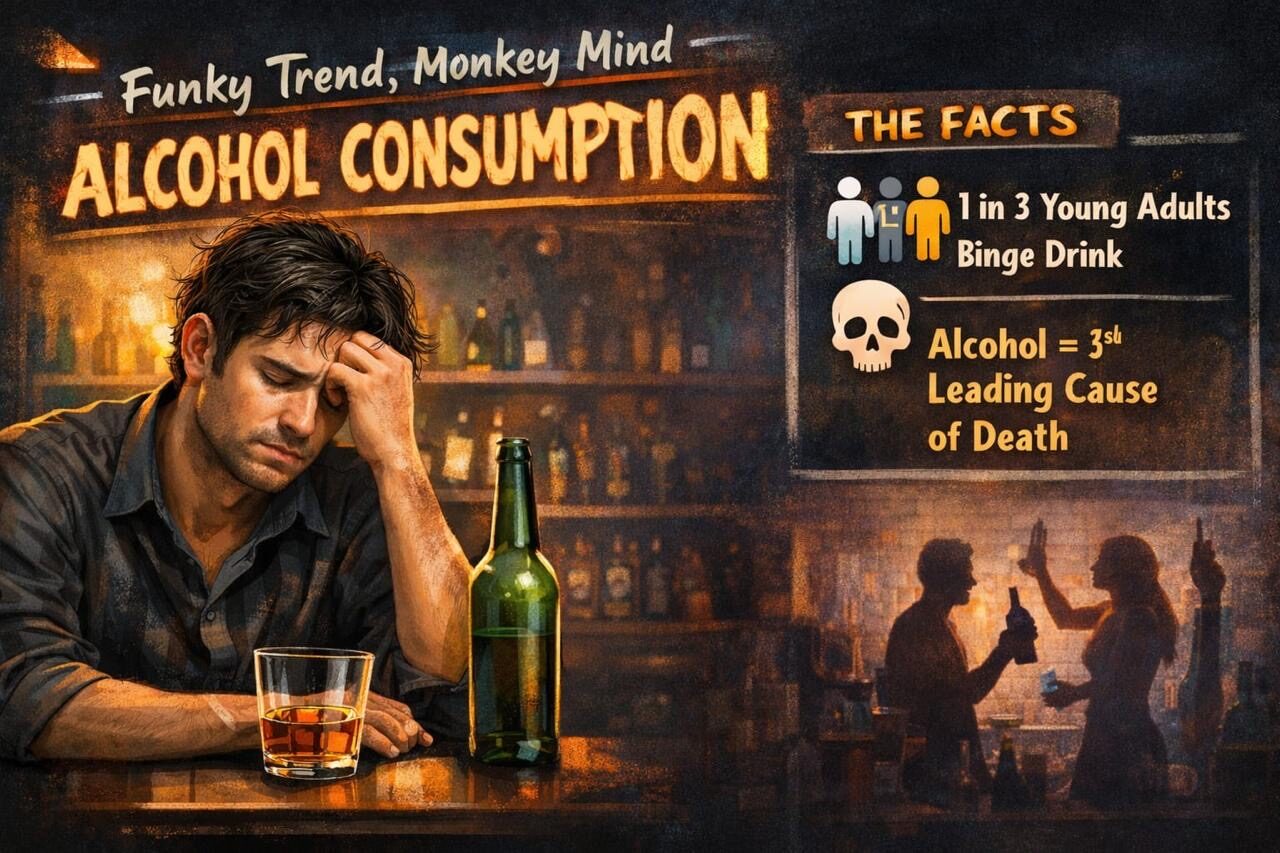
Alcohol consumption has become a trademark of coolness. But do you guys really know what it does in our body??
Alcohol definitely gives you a kick, but if done in excess, it makes you sick.
Follow me through this article.I will explain to you everything you should know about alcohol.!!
A common habit & hidden consequences
Despite all the attention given to illicit drugs such as cocaine and opiates, alcohol abuse is a far more widespread hazard and claims many more lives. According to a 2017 survey conducted by the National Institute on Alcohol Abuse and Alcoholism, 14 million adults (over 18 years of age) suffer from alcohol abuse disorder (AUD) in the United States (5.7% of this age group).
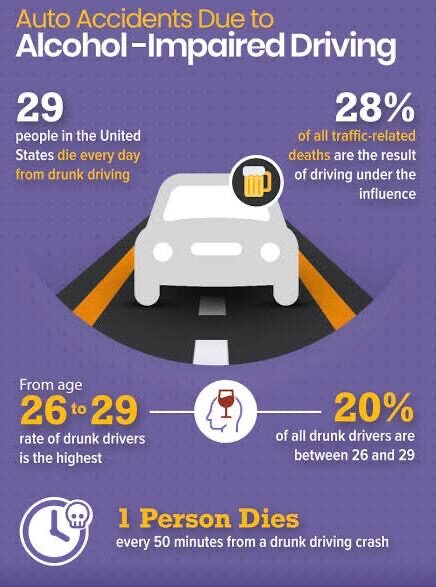
AUD is a chronic relapsing brain disease characterized by an impaired ability to stop or control alcohol use despite adverse social, occupational, or health consequences. It is estimated that alcohol consumption is responsible for more than 80,000 deaths annually. More than 50% of these deaths result from accidents caused by drunken driving and alcohol-related homicides and suicides, and about 15,000 annual deaths are a consequence of cirrhosis of the liver. Worldwide, alcohol accounts for approximately 3.3 million deaths per year (5.9% of all deaths). Other social adverse effects are automobile and vehicular accidents, injuries, suicides, deaths due to violence, family disorganization, crime, etc.

Alcohol beverages and ethanol content in them
| BEVERAGE | ALCOHOL BY VOLUME |
| Beer | 4-6% |
| Wine | 4-6% |
| Tequila | 10-12% |
| Rum | 40% |
| Whiskey | 40-50% |
| Vodka | 40% |
What alcohol does to our body?
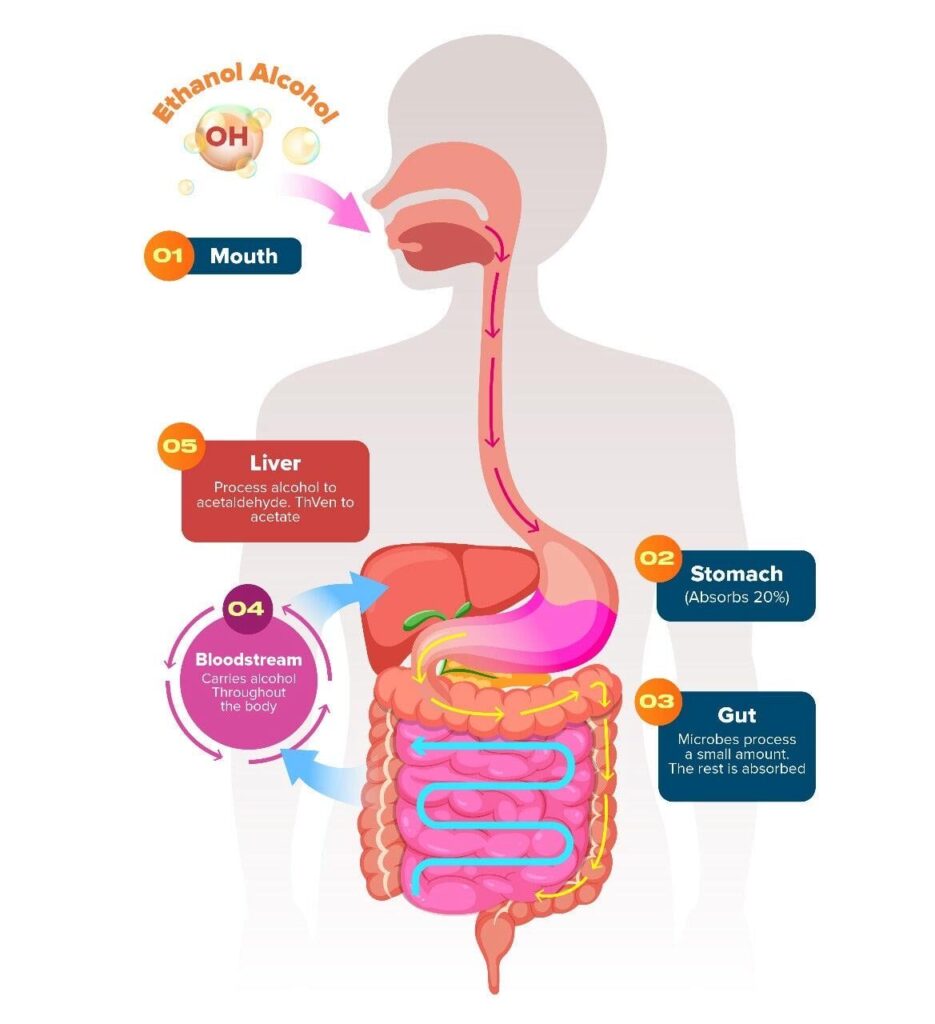
Alcohol is absorbed rapidly in the stomach and small intestine without any alteration. Then it mixes with blood. It is metabolised by the liver to acetaldehyde and acetate. Less than 10% is excreted unchanged in the urine, sweat, and breath.
Metabolism and its effects-
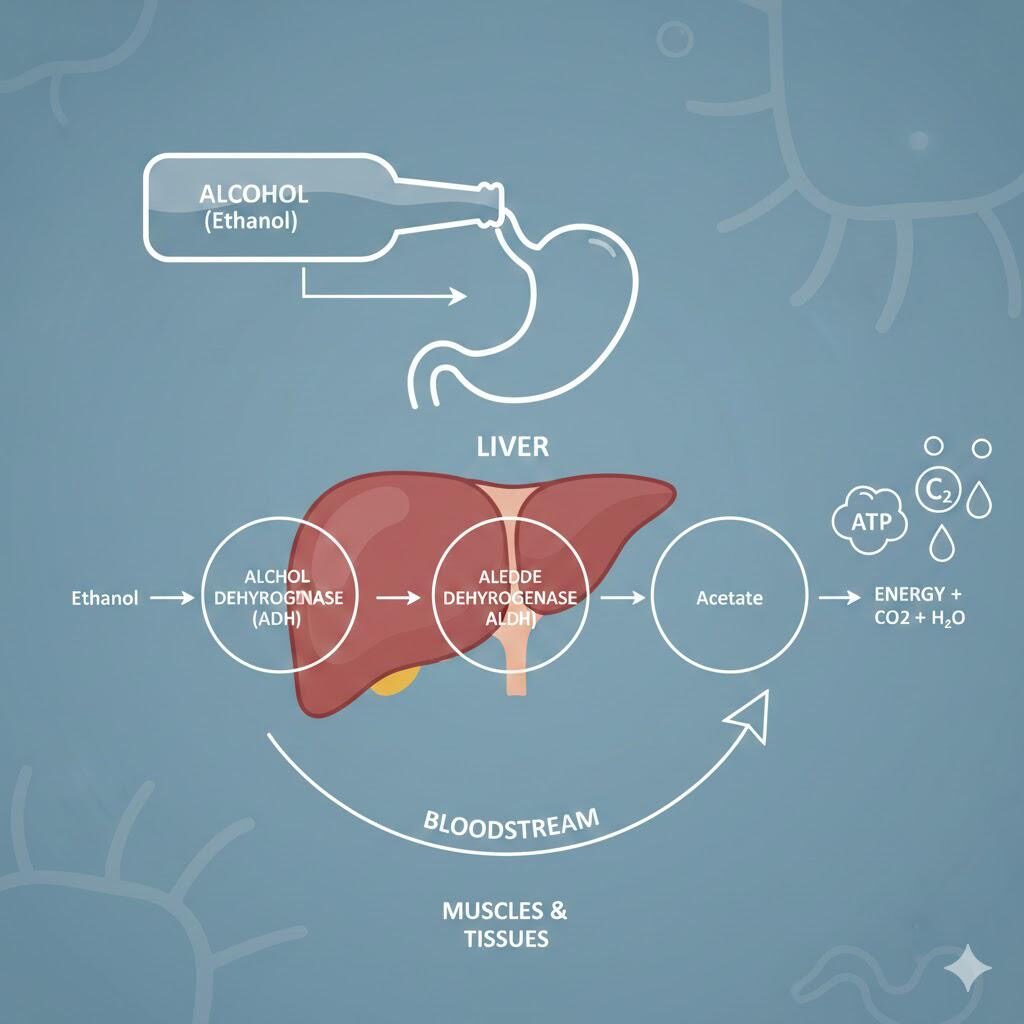
Alcohol in the blood is metabolized to acetaldehyde in the liver by three enzyme systems: alcohol dehydrogenase, cytochrome P-450 isoenzymes, and catalase. Of these, the main enzyme involved in alcohol metabolism is alcohol dehydrogenase, located in the cells of the liver called hepatocytes. This acetaldehyde is further broken down into acetate by the enzyme acetaldehyde dehydrogenase. The former is a highly toxic compound which causes flushing due to its vasodilatory effect, nausea and vomiting due to gastric irritation. It also increases something called ROS (reactive oxygen species), which is capable of DNA damage and protein damage. This acetaldehyde will cause liver injury and lead to consolidation of the liver called fibrosis. The latter is called acetate which is less toxic and mainly causes metabolic effects such as
- ↓ Gluconeogenesis → hypoglycemia
- ↑ Fatty acid synthesis → fatty liver
- ↑ Lactate → lactic acidosis
- ↑ Uric acid → gout
Signs and symptoms of alcohol intoxication (stages)-
There are three stages of alcohol intoxication viz.
- Stage of excitement
- Stage of Incoordination
- Stage of coma
1. Stage of excitement
- Usually there will be inhibitory signals on emotions from higher centres of the brain. But when a person is drunk there will be reduced inhibition which will lead the person to be euphoric. This happens when the blood alcohol concentration is 50 to 150 mg%. The person will be fearless and careless. He might disclose some secrets, he might show increased confidence but lack self-control. His recall memory is also affected.
- Persons’ sexual desire will increase but there will be reduced performance. So there will be prolonged intercourse without ejaculation.
2. Stage of Incoordination
- This happens when the blood alcohol concentration is 150 to 250 mg%. Due to further depression of higher centres, the person may be cheerful, irritable, ill-tempered, excitable, or sleepy — depending on the dominant impulse released. There will be incoordination of fine and skilled movements, and alterations in speech and fine finger movements like writing, painting, drawing, etc.
- The person will feel nausea, vomiting, flushed face, and rapid pulse. Also, there will be a loss of sensation of touch, smell, taste, and hearing. His breath starts to smell of alcohol.
3. Stage of coma
- This happens when the blood alcohol concentration is ≤ 250 mg%. At this stage, the person’s speech is thick and slurred. Coordination is markedly affected—the person becomes giddy, staggers, and falls. The pulse will be rapid, and there will be a loss of memory (amnesia). Pupils are constricted, but on stimulation, pupils start to dilate with a slow return. This is called McEwan’s sign.
- The person passes into coma with stertorous breathing (a noisy, snoring-like breathing).
Why do we lose control of ourselves?
Alcohol is a potent CNS depressant. It increases neuroinhibitory chemicals, namely GABA, and decreases excitatory chemicals, namely NMDA and Glutamate. Alcohol also affects the cerebellum, a part of the brain which is responsible for body balance and coordination. When you are intoxicated with alcohol, your walking, body balance, and coordination of body movements are affected. This imbalance is called ataxia.
Alcohol also affects the cerebral cortical regions of the brain, which control your thoughts and speech. So when you are drunk, your speech will be altered, which is known as slurring of speech. The drunk person will be euphoric, and there will be impaired judgement and consciousness.
Cause of death: If the victim does not recover from coma within 5 hours, the prognosis is bad and may result in death due to suppression of respiratory centres.
Fatal dose: 150 to 250 ml of absolute alcohol consumed in 1 hour for a non-addict person.
Risk of death is increased if blood alcohol concentration >300 mg/dl, and death is typical if the blood alcohol concentration is 400 – 500 mg/dl.
Fatal period : 12 – 24 hours.
What is the permissible limit ?( medically and legally to drive)
There is no absolute safe limit for alcohol consumption. Medically, 1 standard drink for women and 2 standard drinks for men are
relatively safe.
What is one standard drink? It means 1 standard drink = 10 to 15 mg of pure ethanol. Click on this link for more information…!
There is no proof that drinking this much is safe. Studies show that there are only reduced chances of liver damage.
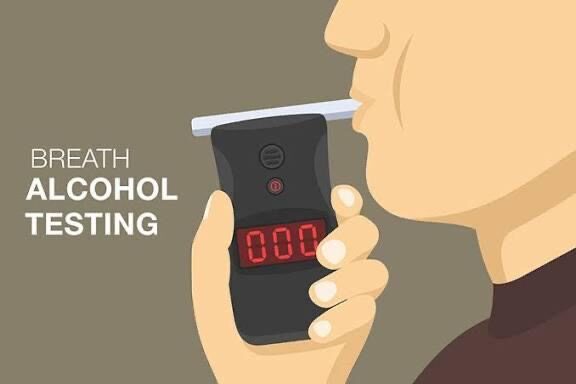
And coming to legal permissible limits of alcohol given under Indian law for driving is 30mg of alcohol per 100ml of blood. This is called BAC (Blood Alcohol Concentration). As the blood alcohol concentration increases, there will be reduced reaction time, judgement, and coordination. This may cause major accidents. So the government has come up with a legal limit. Blood alcohol concentration is measured by breath alcohol level using a breathalyzer test at checkpoints.
If the blood alcohol concentration is more than permissible limits, then they are labelled as drunk driving.
When will it become a problem?
Alcohol use becomes problematic when a person:
- He loses control
- Drinks more than intended
- Is unable to cut down or stop despite wanting to
- Feels a strong urge or craving to drink
Alcohol use is problematic when:
- It interferes with work or academic performance
- It interferes with family and social relationships
- It interferes with financial stability
- It interferes with decision-making and judgement
- It is used as a coping mechanism for stress, loneliness, or sleep
- Life events or emotions feel unmanageable without alcohol
- Social life revolves mainly around drinking
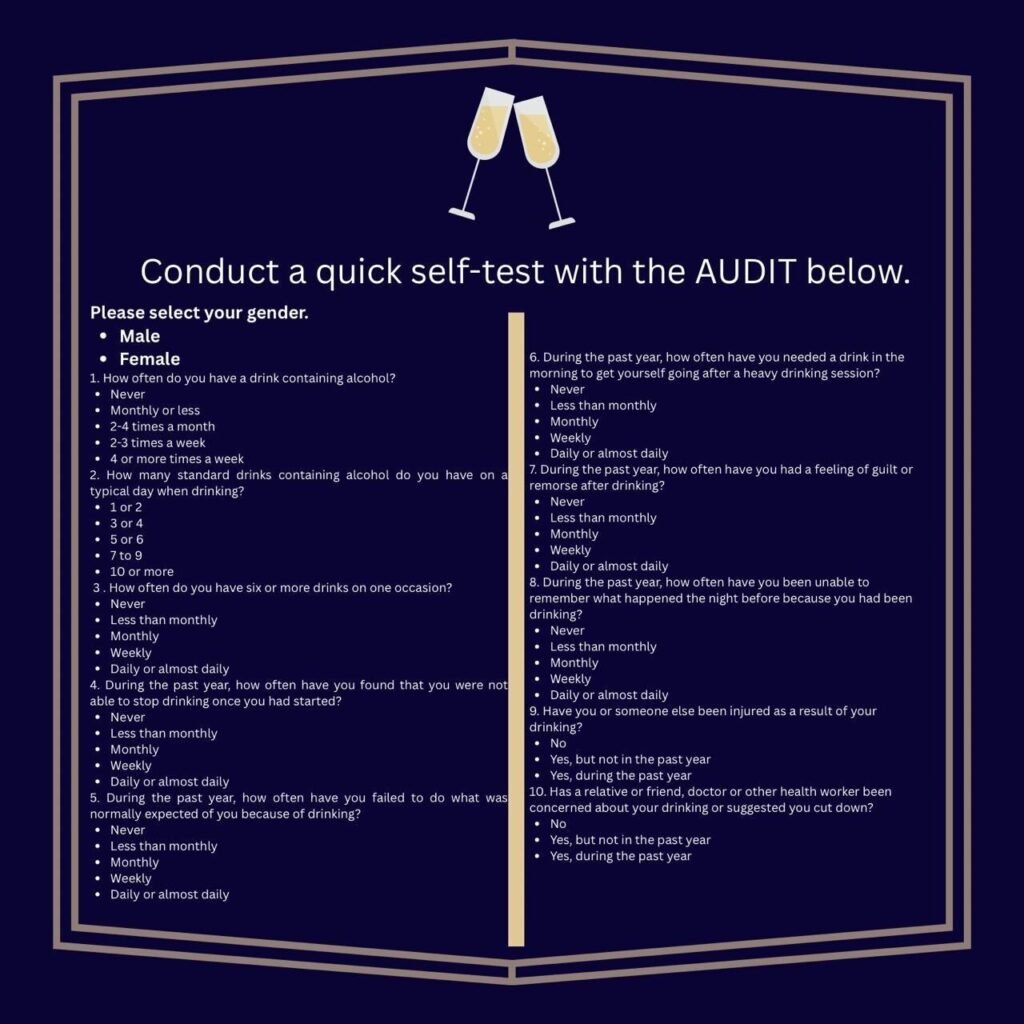
The AUDIT questionnaire is designed to help in the self-assessment of alcohol consumption and to identify any implications for the person’s health and wellbeing, now and in the future.
It consists of 10 questions on alcohol use. The responses to these questions can be scored and the total score prompts feedblood alcohol concentration k to the person and in some cases offers specific advice.
Scoring the AUDIT
- The AUDIT has 10 questions and the possible responses to each question are scored 0, 1, 2, 3 or 4, with the exception of questions 9 and 10 which have possible responses of 0, 2 and 4.
- The range of possible scores is from 0 to 40 where 0 indicates an abstainer who has never had any problems from alcohol. A score of 1 to 7 suggests low-risk consumption according to World Health Organization (WHO) guidelines. Scores from 8 to 14 suggest hazardous or harmful alcohol consumption and a score of 15 or more indicates the likelihood of alcohol dependence (moderate-severe alcohol use disorder).
- For further assessment consult a doctor.
Conclusion :
Alcohol may appear to be a symbol of enjoyment, social bonding, or stress relief, but its effects on the human body and society are profound and often underestimated. From altering brain chemistry and impairing judgment to causing liver damage, metabolic disturbances, accidents, and death, alcohol impacts nearly every organ system. While small amounts may seem harmless, there is no completely safe level of alcohol consumption, and the line between use and abuse is often crossed unknowingly.
Problematic alcohol use not only affects physical health but also disrupts mental well-being, relationships, academic or professional performance, and financial stability. Awareness, self-reflection, and early identification—using tools like the AUDIT questionnaire—are crucial in preventing alcohol use disorder and its complications.
The key message is not moral judgment, but informed choice. Understanding what alcohol truly does to the body empowers individuals to drink responsibly, seek help when needed, and protect themselves and others from preventable harm. Being “cool” should never come at the wrong cost of health, dignity, or life.
Bibliography:
1)Robbins & Cotran Pathologic Basis of Disease Textbook by Jon C. Aster
2)Review of Forensic Medicine and Toxicology Textbook by Gautam Biswas