
INTRODUCTION
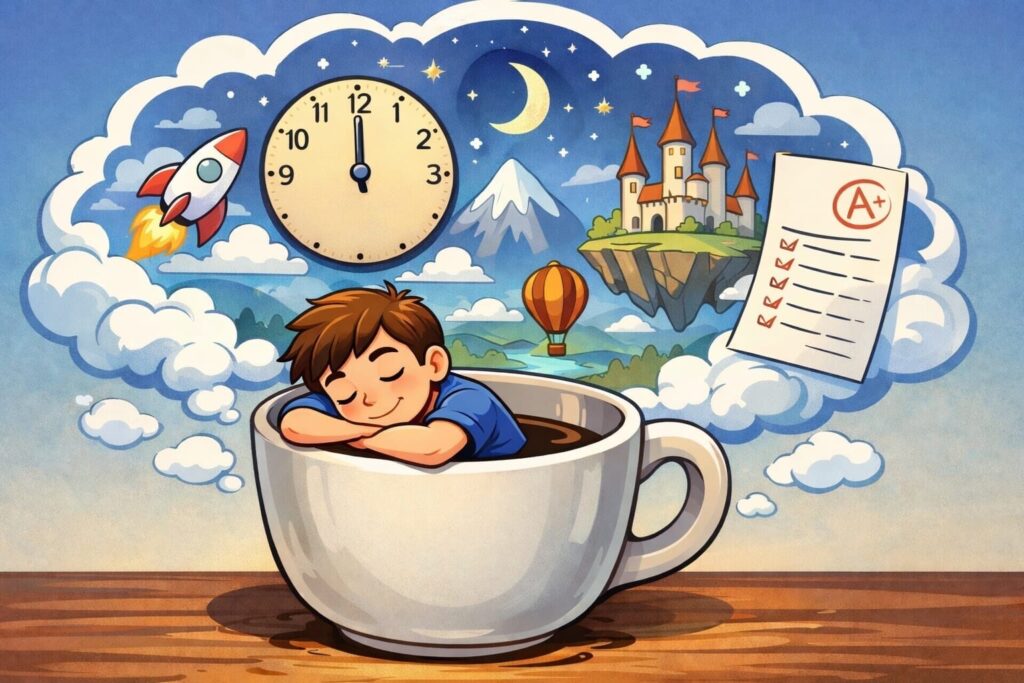
You know those nights when deadlines pile up and panic kicks in? Determined to finish everything, you brew a strong cup of coffee and promise yourself an all-nighter. Books are open, notes are scattered everywhere, and motivation feels unstoppable. Somehow, between studying and planning, exhaustion quietly takes over. The next thing you know, your alarm is ringing in the morning.
It’s quite a scenario that most of us might have been through and are still facing in our daily lives. Let us try to know the reason for the same.
Toast à l’espresso
The beverages most commonly consumed for their stimulating effects generally fall into two main categories: coffee-based drinks and tea-based infusions. Coffee beverages include popular options such as Espresso, Americano, and Mocha,each prepared in slightly different ways but sharing a rich caffeine boost. On the other hand, tea-based stimulants offer a wide range of flavors and traditions, including Black tea, Green tea, Oolong tea, Matcha, and masala chai.
Together, these drinks form a significant part of daily routines around the world, valued not only for their energy-enhancing properties but also for their cultural and social appeal.
“I want coffee in my brains and veins!!”-What a chemistry.!
Many of us drink at least one or two cups of these beverages every day, and some people have them more than three times daily. Around the world, coffee consumption varies a lot from place to place. For example, global per-person coffee consumption was estimated at about 1.3 kg in 2022–2023, while in India it was much lower, around 0.07 kg during the same period.
So, what makes these drinks so popular and hard to skip?
The answer is caffeine
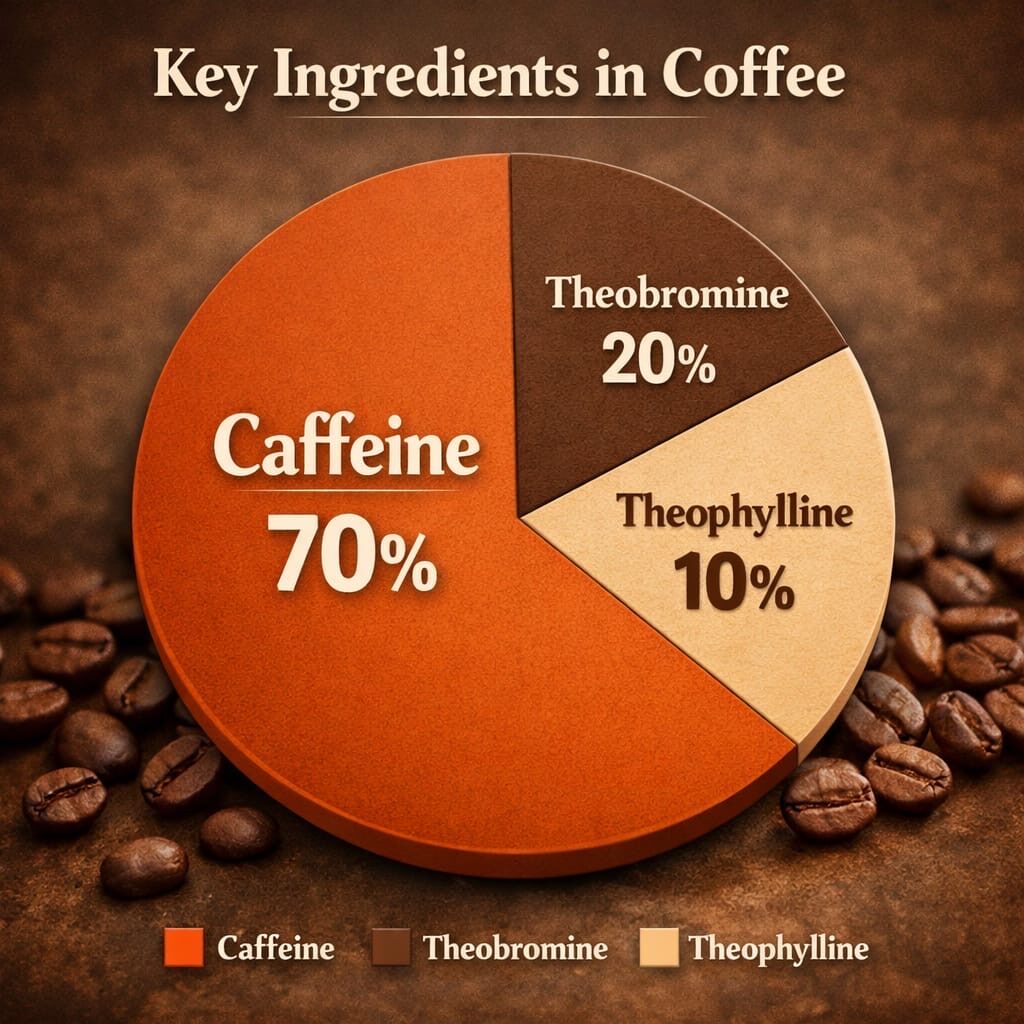
Caffeine is the world’s most popular stimulant and psychoactive substance and occurs naturally in more than 60 plant species, including coffee beans, tea leaves, and cacao. It can be present in different plant parts such as leaves, beans, and fruits and may be known by different names depending on the source (e.g., theine in tea, guaranine in guarana, mateine in yerba mate).
THE ACTION-From sip to synapse!
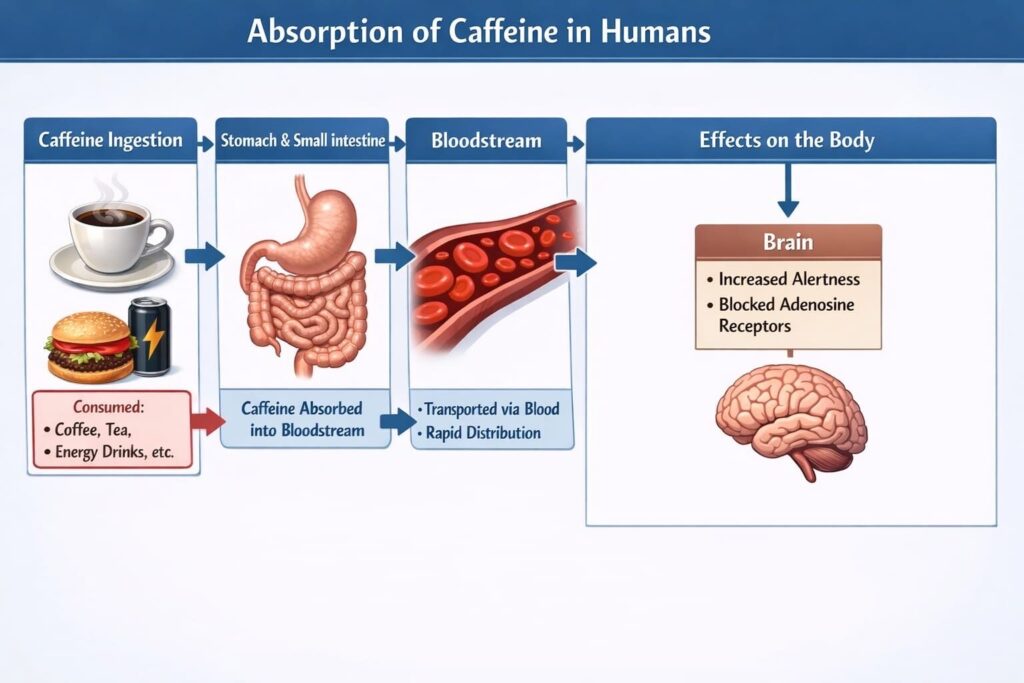
Have you ever wondered how caffeine works in your body? It mainly works by interacting with special parts of your brain called receptors. You can think of it like a lock-and-key system. Normally, a chemical called adenosine attaches to these receptors and makes you feel relaxed and sleepy.
Caffeine steps in and blocks those receptors, so adenosine can’t do its job properly. Because of this, your brain doesn’t receive strong “tired” signals, and you feel more awake and alert. Caffeine also increases certain brain chemicals like dopamine, serotonin, and norepinephrine, which can improve focus, mood, and energy levels.
THE FAULT- Adaptation of brain
So, coming to the main question…
WHY DO I SLEEP EVEN AFTER DRINKING COFFEE??
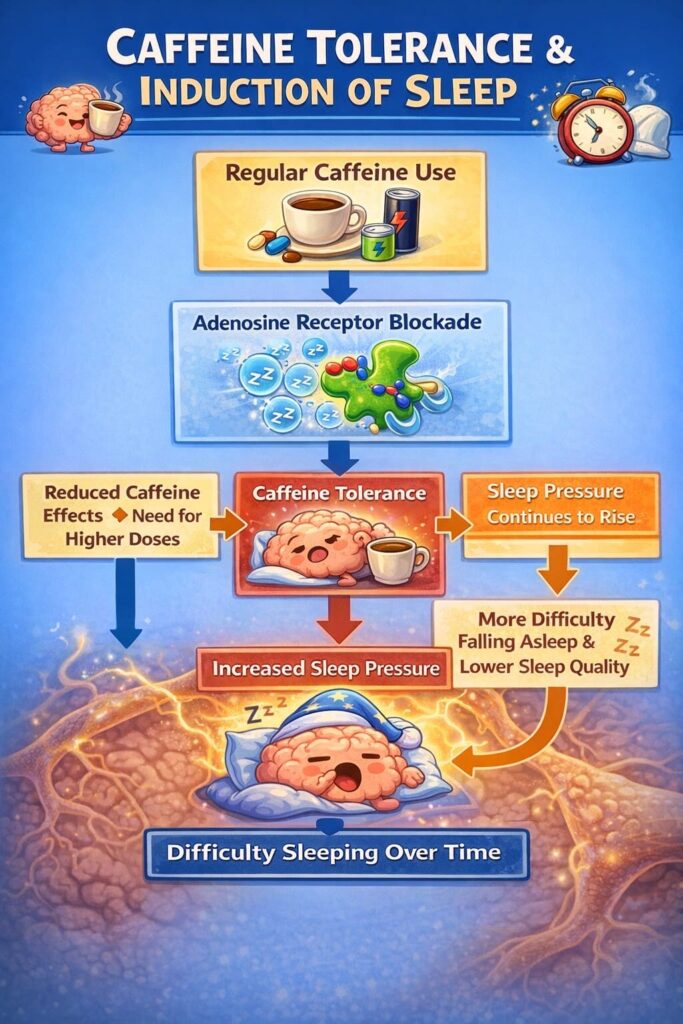
One common reason is caffeine tolerance.
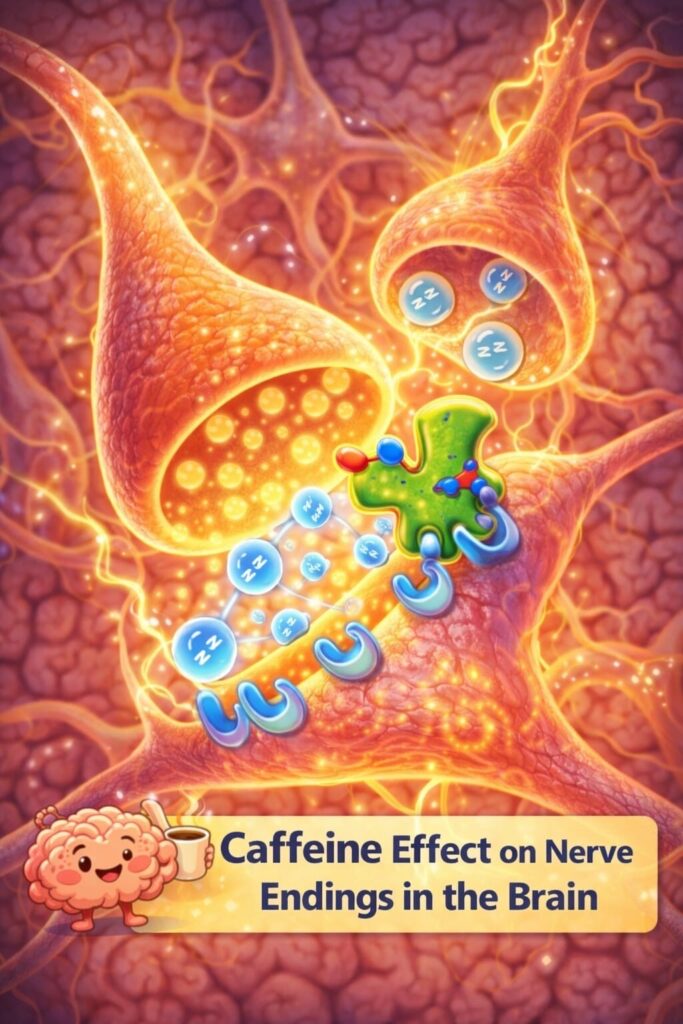
To understand this, think again about the lock-and-key system in the brain. Caffeine acts like a key that blocks adenosine receptors, which normally make you feel tired. This also increases brain chemicals like dopamine and serotonin, helping you feel alert.
However, when you drink coffee regularly, your brain slowly adapts by creating more adenosine receptors — like adding more “locks.” Over time, caffeine cannot block all of them effectively. Because of this, the sleepy signals can still reach your brain, and you may feel tired even after having coffee. This process is called tolerance, which means the same amount of caffeine has less effect than before. The pharmacological medics call this upregulation of the receptors in their terms.
“BEYOND TOLERANCE”- Other factors.
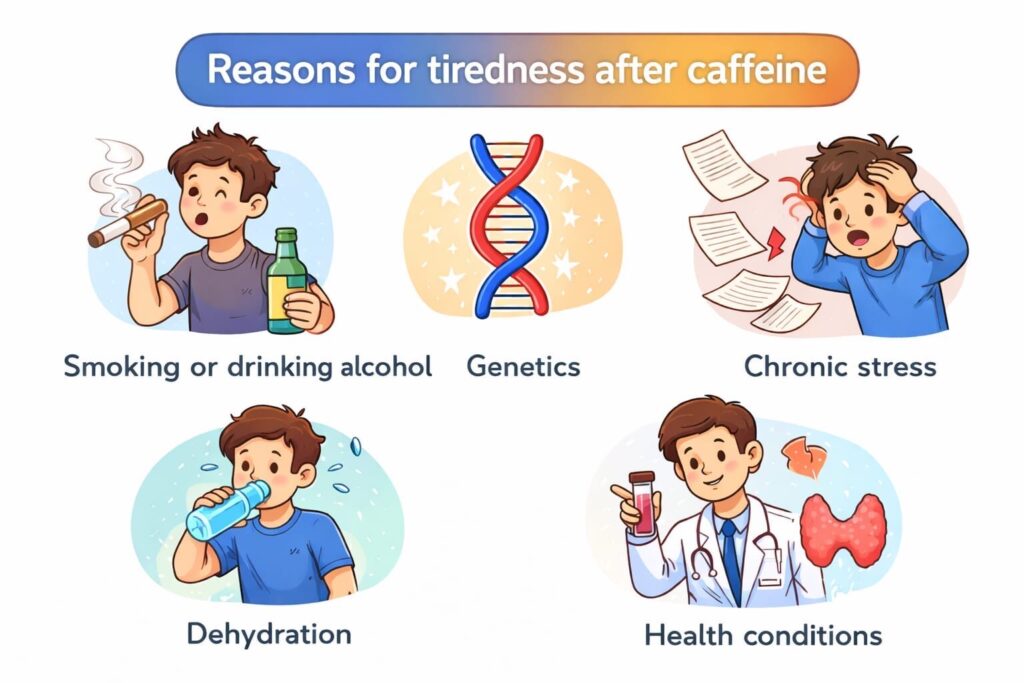
Another important reason caffeine affects people differently is genetics, which means the natural differences in how each person’s body works. After you drink a beverage containing caffeine, it gets absorbed into the bloodstream and travels to different organs in the body. However, caffeine does not stay there forever. The body has special systems to break it down and remove it once its job is done.
The liver plays the main role in this process. It contains enzymes — special proteins that help carry out chemical reactions — which change caffeine into smaller and simpler substances called metabolites. These metabolites are less active and do not produce the same strong alertness effects as caffeine itself. Once this breakdown happens, the kidneys help filter these substances from the blood and remove them from the body through urine. This process helps maintain balance and prevents caffeine from building up to harmful levels.
Not everyone’s liver works at the same speed. Because of genetic differences, some people have liver enzymes that are very active and can break down caffeine quickly. In these individuals, caffeine leaves the body faster, so the feeling of alertness may not last long, and they might feel tired sooner after drinking coffee or tea. On the other hand, some people have slower-acting enzymes. In their bodies, caffeine stays in the bloodstream for a longer time, meaning its effects — such as wakefulness or increased focus — can last much longer.
These genetic differences are often inherited from parents and can vary widely between individuals and populations. This is one reason why a person may feel very energetic after a single cup of coffee while another person may barely notice any change. Genetics can also influence how sensitive someone is to caffeine’s side effects, such as restlessness, increased heart rate, or trouble sleeping.
In addition to genetics, factors like age, body weight, diet, medications, and overall health can also affect how quickly caffeine is processed. However, genetic makeup remains one of the main reasons for individual variation in caffeine response. Understanding these differences helps explain why caffeine does not have the same impact on everyone and why some people may still feel sleepy even after consuming caffeinated beverages.
There are several other reasons why someone may still feel sleepy even after drinking caffeine. Lifestyle factors like stress, smoking, and pregnancy can change how the body reacts to caffeine and may reduce its alertness effects.
Sleepiness can also be linked to the body’s overall health. Dehydration can make a person feel weak and tired because the body needs enough water to function properly. Poor nutrition or lack of important nutrients may lower energy levels, making caffeine less effective. In some cases, medical conditions such as thyroid problems (like hypothyroidism) or chronic illnesses can cause ongoing fatigue that caffeine alone cannot fix.
Overall, while caffeine can help increase wakefulness, factors related to lifestyle, health, and daily habits play a big role in how energetic or sleepy a person feels.
MYTHS VS FACTS- “THE GREAT DIVIDE”
Myth-Milk based coffee/tea does no work !?
Fact- Milk based coffee/tea are the best suggested for alertness effect to be enhanced.
Myth- Drink more coffee to stay awake all night!
Fact-As seen above caffeine action depends in different intensities in different individuals.Hence the same is not advisable.
Myth-Add more sugar to the beverage to be alert!
Fact-This idea is actually a common misconception. Sugar is broken down into glucose, which the body uses as a source of energy. When glucose reaches the brain, it mainly helps fuel brain activity rather than directly causing sleep. While brain chemicals like adenosine and certain neurotransmitters play roles in sleep and alertness, they are not simply produced just because sugar is consumed. In fact, eating sugar may give a short burst of energy, but feeling sleepy later is usually due to energy crashes or natural body rhythms, not a direct sleep-causing effect of glucose itself.
Myth-Matcha is better than tea!
Fact-Regular tea gives milder alertness. It has less caffeine, so the effect is gentler and shorter compared to matcha.
It purely depends on the amount of beverage consumed per serving .
Myth-Hot coffee can cause alertness better!
Fact- Both hot and cold coffee act in the same way but cold coffee contains more amount of caffeine content.
“TOMORROW IS THE DEADLINE!”
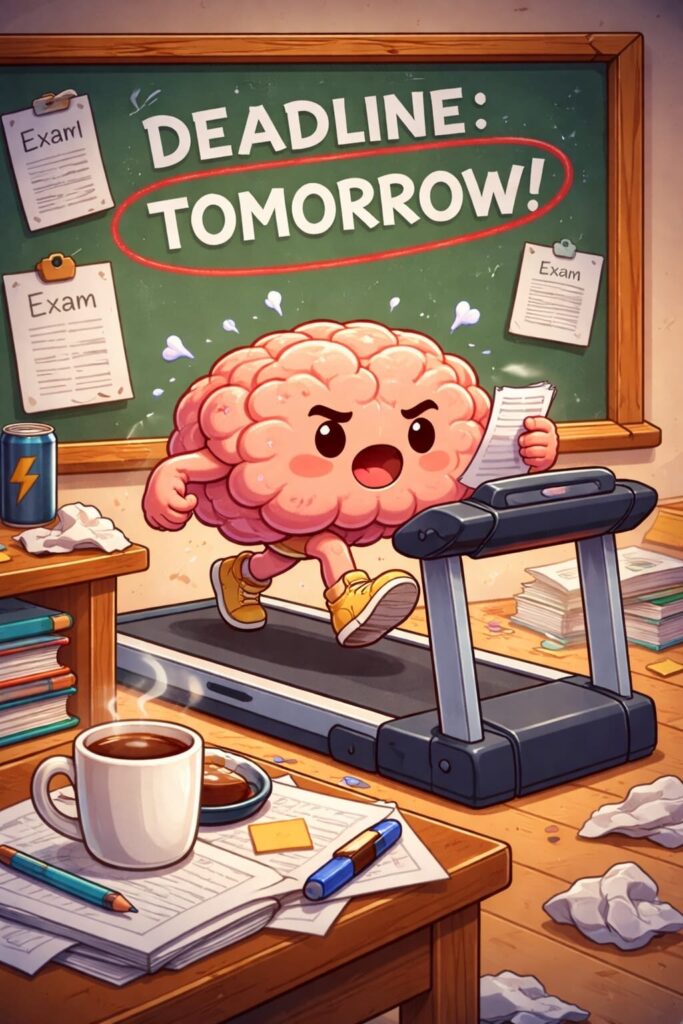
Sometimes people might not be able to concentrate in the work they are doing and be extremely sleepy during daily work and many people face situations where they need to finish a lot of work before an assignment deadline or an upcoming exam the next day . They often drink coffee or tea hoping to stay awake, yet some still end up feeling sleepy. If you experience this too, a few simple strategies may help improve alertness — but remember, these methods may not work the same way for everyone because each person’s body responds differently.
Do’s
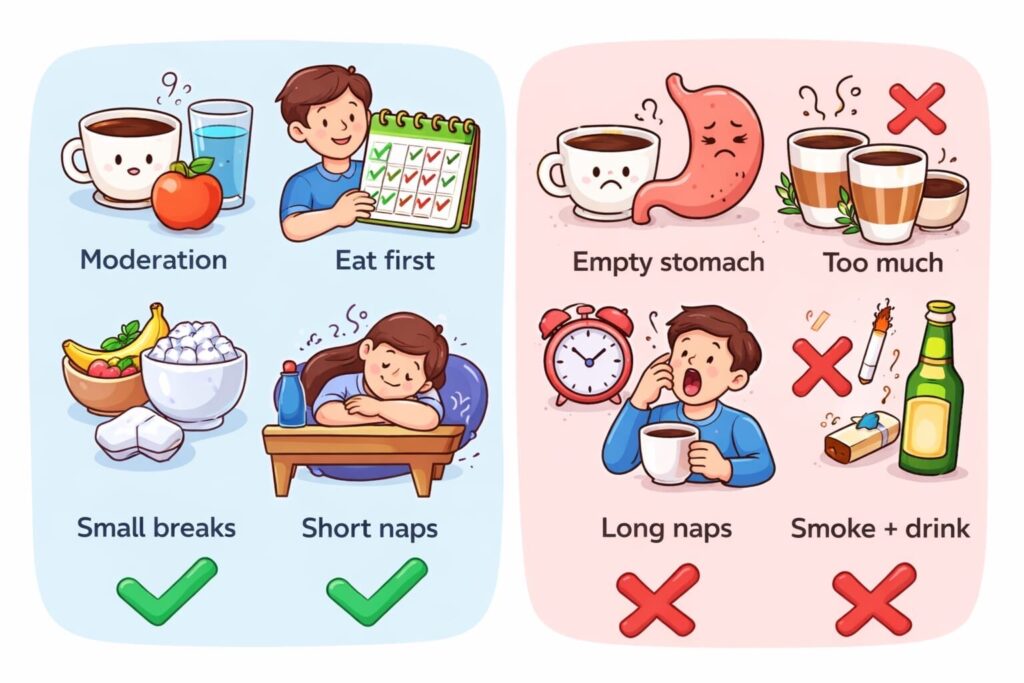
1- To reduce tolerance caused by increased adenosine receptors, some people try taking short breaks from caffeine or drinking it on alternate days. (Regular heavy intake may lead to mild effects such as headache, restlessness, or reduced concentration, if caffeine intake is stopped abruptly).
2-Drinking enough water helps maintain hydration and supports alertness throughout the day.
3-Adding a small amount of sugar may provide quick energy because glucose can be rapidly used by the body.
4- “Coffee nap” Taking a short nap of about 15–20 minutes immediately after drinking coffee, can relieve stress and improve nighttime alertness when working late.
5- Generally cold coffee contains more caffeine content,so consuming the same helps in keeping alert and awake.
Don’ts
1-Avoid drinking coffee on a completely empty stomach, as it may cause gastric irritation in some individuals.
2-Limit caffeine intake to no more than 400 mg per day for adults (approximately four moderate cups of coffee).
3-Do not exceed the recommended duration of a coffee nap.
4-Avoid smoking and excessive alcohol consumption, as they may negatively affect overall health and alertness.
5-Many medications can interact with caffeine, increasing side effects like anxiety, heart issues, reduced drug effectiveness, or toxicity due to metabolic interference.
High caffeine intake with stimulants, psychiatric drugs, antibiotics, heart meds, and hormones may worsen adverse reactions.
Best practice: limit caffeine and take it separately from medications only if medically advised.
CONCLUSION
Caffeine is a powerful and widely used stimulant that can quickly turn feelings of tiredness into alertness and improved focus.Beyond alertness, research suggests that moderate caffeine intake may be associated with a reduced risk of certain conditions such as Parkinson’s disease, type 2 diabetes, and some heart-related issues.
However, caffeine is not a replacement for proper rest. If someone still feels sleepy even after drinking coffee, it may signal poor sleep habits, growing tolerance, or other underlying health concerns. Over time, the brain can adapt by increasing adenosine receptors, meaning more caffeine is needed to achieve the same effect.
Importantly, caffeine does not eliminate sleep — it only delays or masks tiredness. Eventually, the body rebalances itself, as human biology naturally prioritizes rest and recovery. With consistent sleep, balanced intake, and mindful habits, sensitivity to caffeine can return, allowing it to remain effective when truly needed.