

Every person comes across a struggle in their life. These struggles can originate from your home, work life, society etc. For many women, it can also come from their own bodies. A disease, or maybe even a disorder. The signs don’t always reveal themselves, making them unaware of what they’re even struggling with. For my mother, this struggle was fibroids.
She was once a patient of fibroids and struggled with the pain on a daily basis close to her menopausal years. It was a condition that I myself wasn’t aware of, and that lack of awareness or knowledge about it frustrated me. But, it has also pushed me to research and write about this condition, so that the women who read this article won’t have to feel helpless and can seek the help that they need.
What exactly are Fibroids?
Fibroids, also known as leiomyomas, are benign tumors that grow from the muscular walls of the uterus. They are the most common, non-cancerous tumors in females, with at least 1 out of 5 women having it at the age of 30 . Despite this large number, many people are unaware that they have fibroids. This is because they are often asymptomatic (50% of the cases).
What are the types of Fibroids?
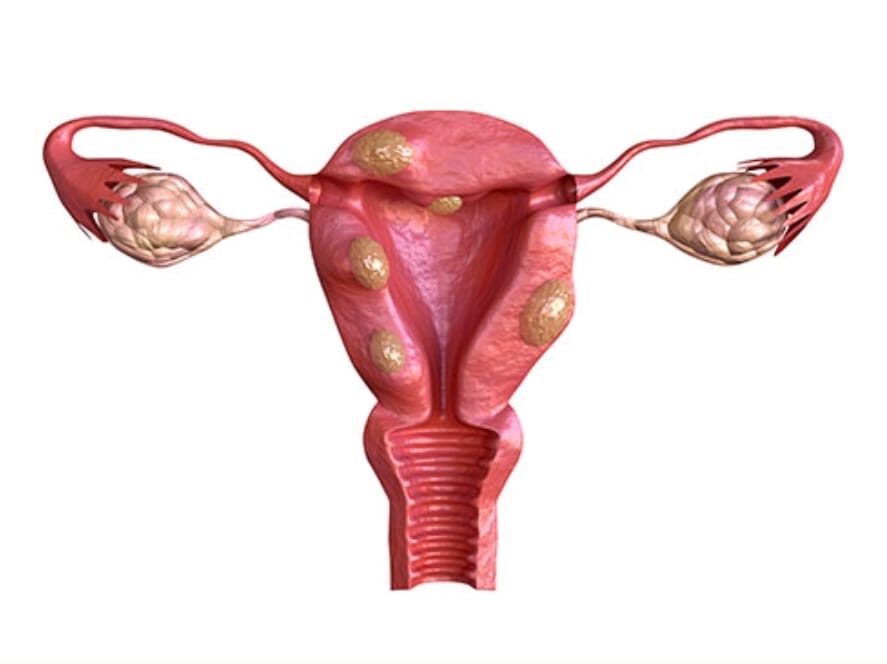
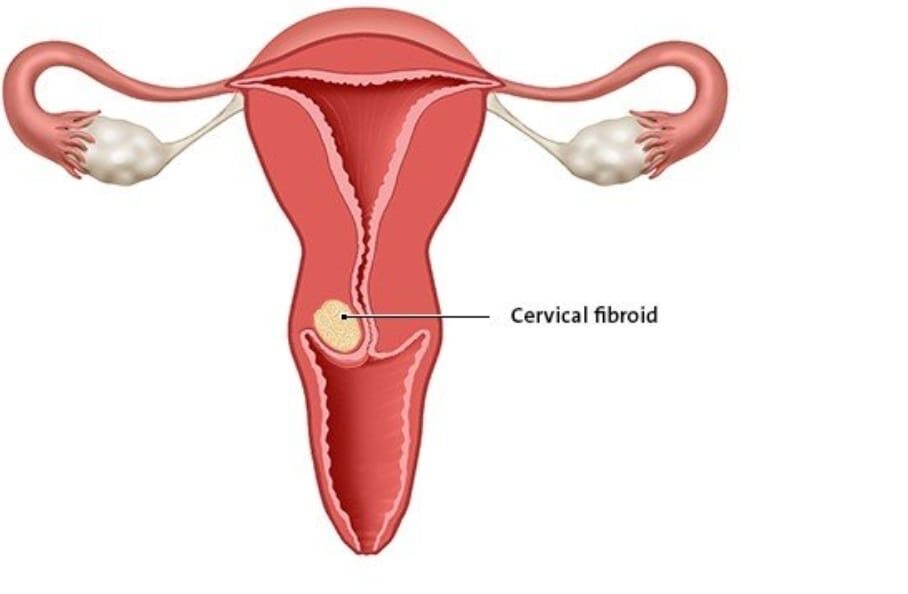
Fibroids can grow anywhere in the female genital tract. Based on where these tumors are located, they can be either corporeal i.e., in the body of the uterus, or cervical i.e., in the cervix. Cervical fibroids are rare, occurring in 1-2% of cases.
Am I at risk for developing Fibroids?
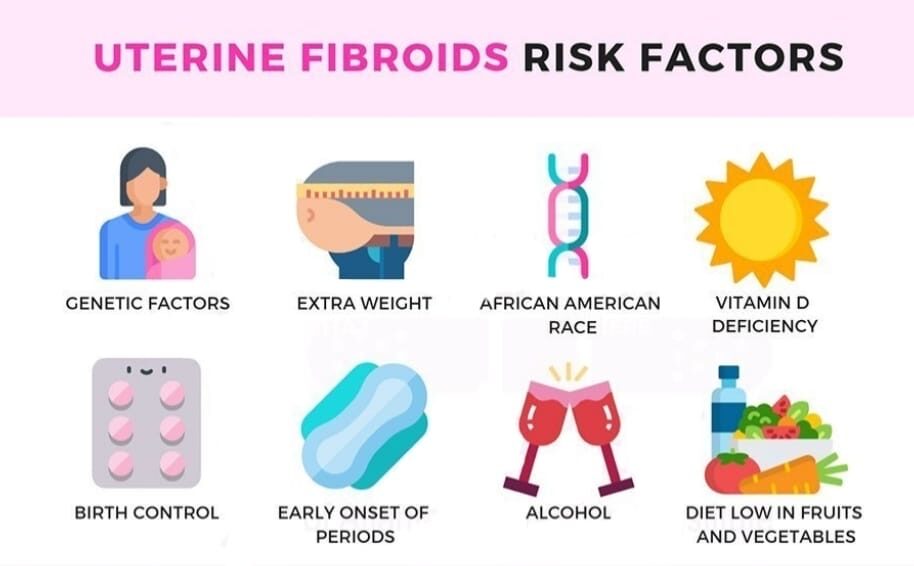
Many factors can contribute to a woman’s risk of developing fibroids, including the following : –
Unchangeable Factors
- Genetics – Family history of fibroids.
- Age – Prevalence is highest between 35 and 45 years.
- Race/Ethnicity – African-American women are at a higher risk.
Hormonal Factors
- Early Menstruation – High local levels of estrogen and progesterone facilitate fibroid growth; rarely seen before menarche (first occurrence of menstruation) or after menopause (when menstruation stops permanently).
- Pregnancy – Early pregnancy hormones like estrogen and hCG cause fibroids to grow.
Lifestyle Factors
- Obesity – Excess fat leads to excess estrogen production, which causes fibroids to grow.
- Diet – Eating lots of red meat and processed food along with low vitamin D increase the risk of fibroids.
- Alcohol consumption – Regular alcohol intake causes rise in hormone levels, which promote the growth of fibroids.
- High Blood Pressure – May contribute through increased blood flow to the uterus.
So what exactly causes Fibroids?
Although the exact cause of fibroids is unclear, researchers believe that it arises from a single muscle cell of the uterus, which grows progressively due to the following stimulants: –
- Genetic abnormality – Mutations in the muscle cell can cause proliferation.
- Hormones – Estrogen and progesterone, along with some growth factors fuel fibroid growth.
Physical Appearance : Enlarged uterus, distorted by multiple nodular growth of various sizes.
How do I know if I have Fibroids?
Many women with fibroids don’t show immediate symptoms (50%). But in those who do, symptoms arise based on the size, location and number of fibroids. Site is a more important factor than size.
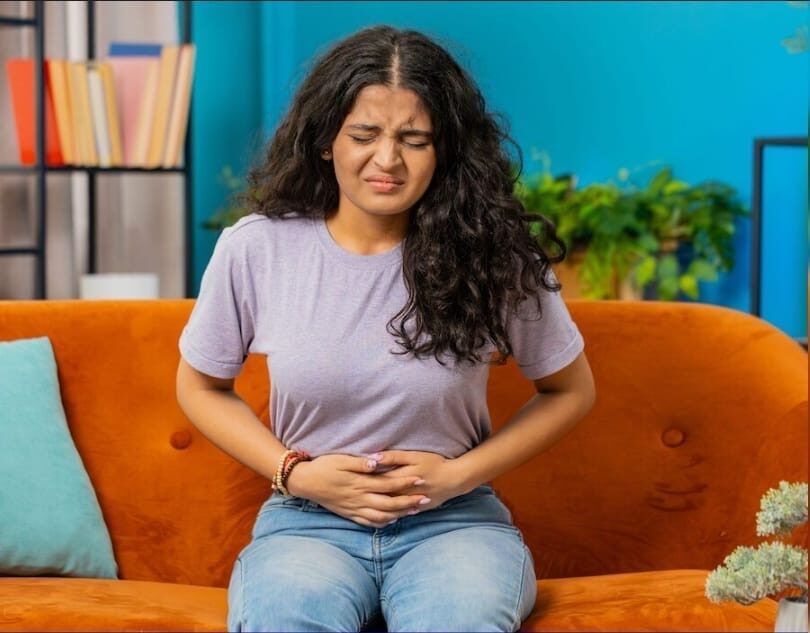
Common symptoms of uterine fibroids are: –
- Abnormally heavy menstrual bleeding (menorrhagia)
- Irregular menstrual bleeding (metrorrhagia)
- Lower abdominal pain and cramping (dysmenorrhea)
- Pelvic or genital pain during or after sexual intercourse (dyspareunia)
- Lower back pain
- Abdominal enlargement
- Frequent urination or trouble urinating
- Constipation
- Subfertility
- Miscarriages
- Preterm labour
Can I completely prevent getting Fibroids?
Unfortunately, there is no guaranteed way of completely preventing fibroids and the discomfort. The risk of developing them depends on a variety of factors, some of which are beyond our immediate control. What is in our control is lifestyle, which can be adjusted for overall well-being through the following ways: –
- Eating healthier
- Exercise
- Managing stress
- Limiting Alcohol and Smoking
How do I manage Fibroids?
Fibroid management can help relieve some of the pain, but can not be an effective cure. It involves monitoring, medications, minimally invasive procedures and in worse cases, surgery. The type of management one chooses depends on the severity of their symptoms.
Asymptomatic Fibroids
These are the cases where the patient does not feel any symptoms. Fibroids can get detected accidentally through routine examination for complaints and conditions other than fibroids.
For women under the susceptible group (either by age or genetically), a periodic examination every 6 months and an annual ultrasound evaluation is suggested.
Symptomatic Fibroids
For the cases where the patient feels some of the symptoms, drug therapy can be an option of management, only after receiving a proper diagnosis and prescription.
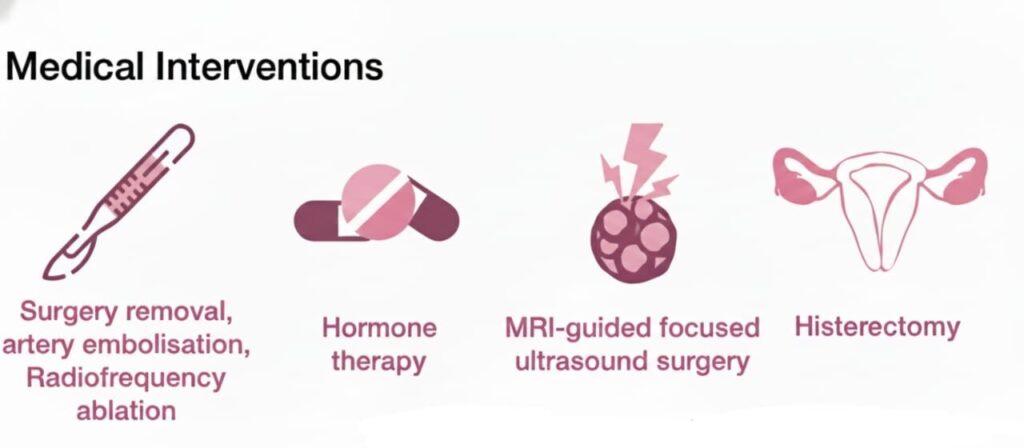
Surgical methods that can completely remove fibroids from the body are: –
- Myomectomy – Removing fibroids while preserving the uterus. This is preferred by those who want to preserve their menstruation and fertility. However, it is not a permanent cure and the chances of fibroid recurrence is 30 to 50%.
- Hysterectomy – Removing the entire uterus and hence, removing the fibroids with it. It is the only permanent cure for fibroids. However, menstruation and fertility is lost. This procedure is recommended for women nearing their menopause.
- Other – Various minimally invasive surgical procedures can also be opted for, like endolotherapy, laparoscopic uterine artery ligation (LUAL), myolysis etc.
Endolotherapy and LUAL reduce the blood supply to the uterus while myolysis uses lasers or radio frequency (focused energy). These methods are to shrink or decrease the size of the fibroids.
Although minimally invasive, every surgical procedure has its complications. One should do proper research and take advice from their doctor in order to choose the most safe and suitable treatment method.
Current situation in India
About 1 in 5 Indian women are affected by fibroids during their reproductive years (between menarche and menopause), with higher rates in rural areas. However, most of these areas lack awareness about this condition, along with other issues like unbalanced diet and delayed diagnosis and treatment. This leads to further complications in the condition.
The importance of women’s health is on the rise with the increasing population within India. It should be a matter of concern to continue to spread awareness about all the possible reproductive conditions that prevail in society. This can promote health care workers and researchers to further investigate treatment plans that guarantee to improve public well being and decrease the incidence of such diseases.
When do you seek medical attention?
For many of the cases, fibroids are usually asymptomatic and don’t show signs. But when they do, these are the signs that one should look out for: –
- Heavy bleeding during or between periods
- Fatigue/tiredness and weakness (signs of anemia)
- Pressure in the lower abdomen (pelvic pressure)
- Pain in the lower abdomen (pelvic pain normally or during sex)
- Frequent urination (trouble emptying the bladder)
- Constipation
- Recurrent miscarriages
If one experiences the given symptoms under non-coincidental circumstances, it is best for them to seek treatment from their doctor. Such symptoms are progressive and can cause further pain if not attended to.
So, what now?
Having to fight a battle with your own body can get exhausting. Many choose to endure the pain in silence, because they don’t want to spend time and expense on seeing a doctor. They believe it is something that will “eventually pass” and try to suppress the pain through whatever means they find.
Although my mom also held the same mentality even after her symptoms became evident, my family and I pushed her to make one visit to the doctor. And that visit changed everything. She was diagnosed, and later got a hysterectomy done to completely rid of this condition. Now, she lives comfortably at home with no complications.
A lot can change once you receive help. If you know something doesn’t feel right in your own body, ask for it. Because some struggles aren’t to be fought alone, and some pains aren’t worth enduring.