

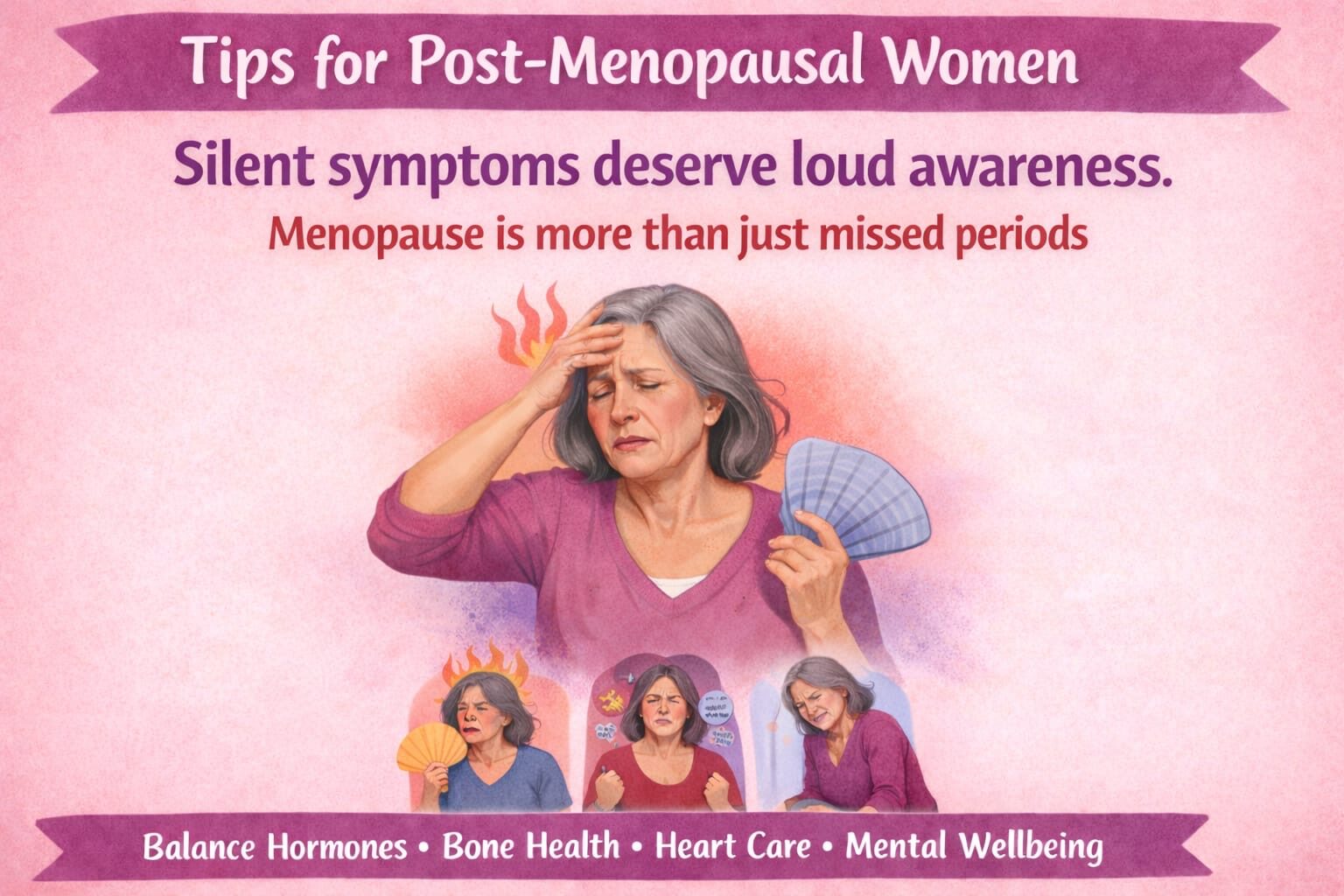
Ever noticed your mom waking up drenched in sweat at night, getting irritated over small things, or suddenly feeling intense heat for no reason? These changes aren’t just “mood swings”. They are often signs of menopause— a natural phase in a woman’s life. Understanding why this happens and knowing a few tips can make this transition much easier for her.
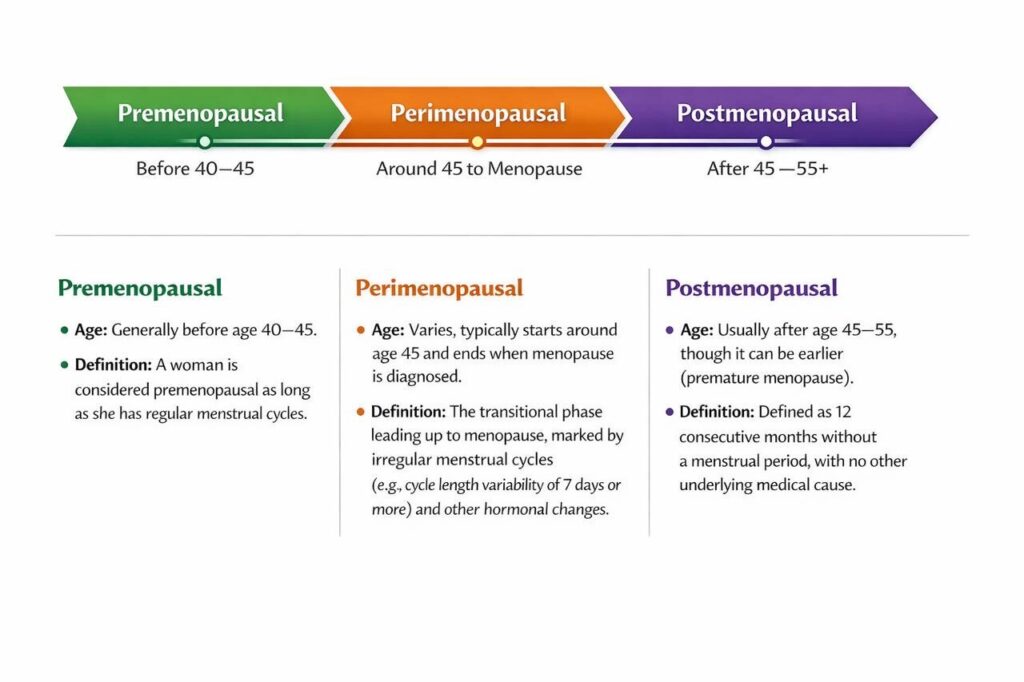
First, let us begin by learning certain terms related to menopause; they are: premenopause, perimenopause, and post-menopause.
What are the most common symptoms?
Women around the world experience vasomotor symptoms as they enter and complete the menopause transition. Vasomotor symptoms, specifically hot flashes, are caused by a narrowing of the thermoneutral zone in the brain. This effect, although related to estrogen withdrawal (due to age-related exhaustion of ovarian follicles, leading to loss of ovarian estrogen production), is most likely related to changes in central nervous system neurotransmitters. Peripheral vascular reactivity is also altered in symptomatic women.
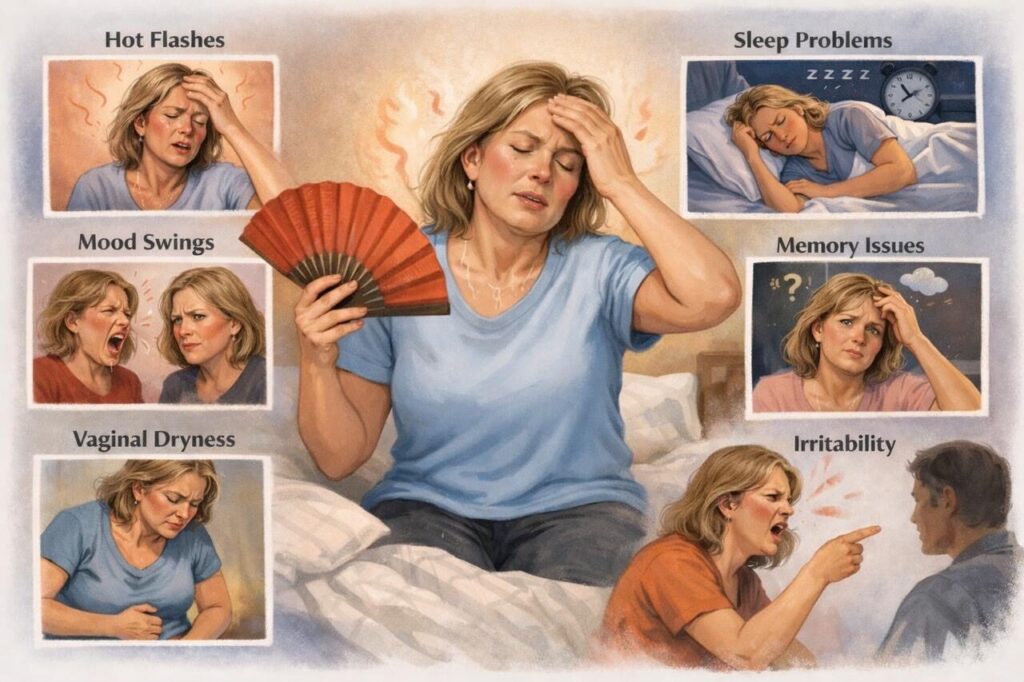
During this transition, women can suffer symptoms related to menopause (such as hot flushes, sleep disturbance, mood changes, memory complaints, and vaginal dryness). Neurological symptoms such as sleep disturbance, “brain fog“ (memory lapses and difficulty in concentrating), mood changes, and irritability are the major complaints of women transitioning menopause, with a significant impact on their quality of life, productivity, and physical health.
What can you do to relieve your symptoms?
EXERCISE

As menopause results in increased risk of upper body adipose tissue (fat) accumulation and increased resistance to insulin, it is very much necessary to exercise for at least 45 mins to 1 hour every day.
1. Improves muscle function, can help prevent falls, and has moderate effects on improvements in bone mass.
2. Aerobic exercises are more effective in postmenopausal women.
NUTRITION
1. Since women’s diets are often low in iron and calcium, it is necessary to ensure adequate consumption of the same.
2. Add calcium-rich foods to your diet, such as chia seeds, sesame seeds, sunflower seeds, curd, chickpeas, almonds, fruits (orange, berries, fig), sweet potatoes, and okra (bhindi).

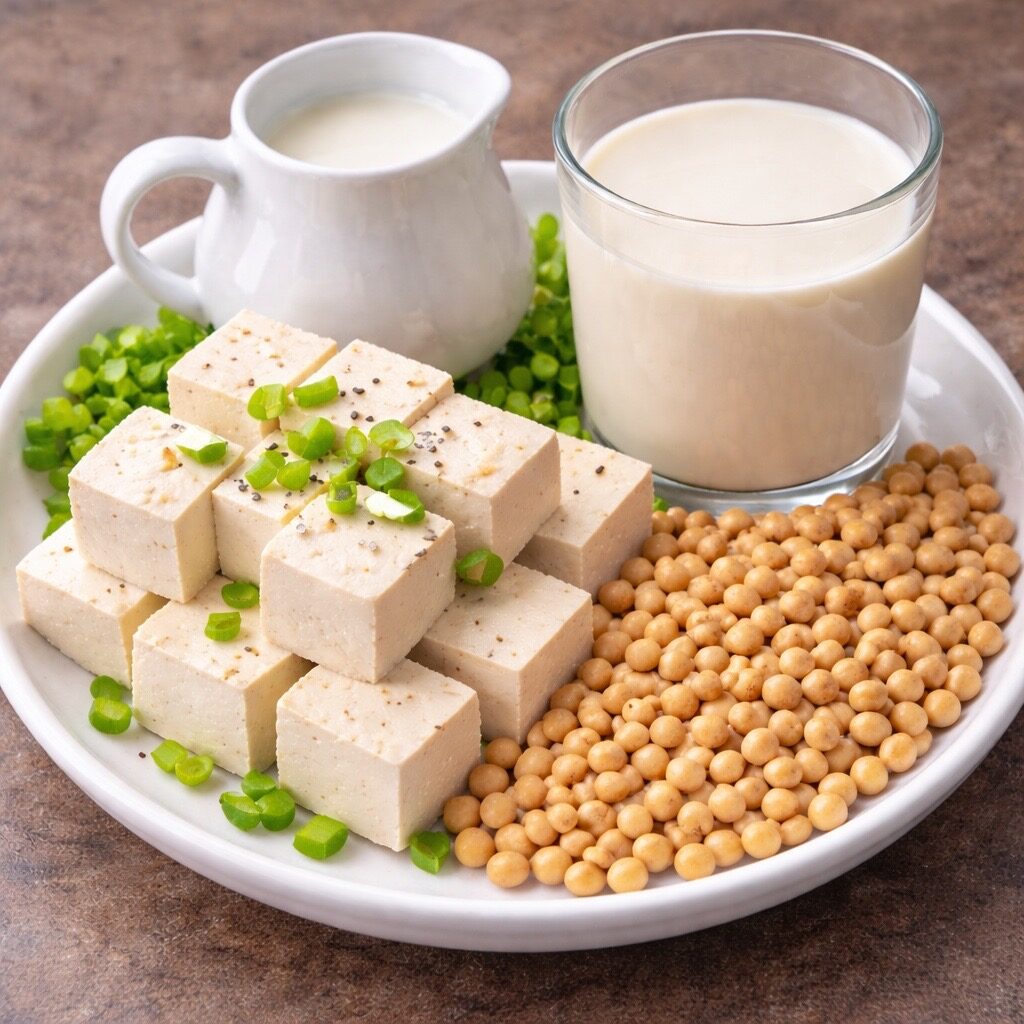
3. Soy milk and tofu are recommended to aid your post-menopausal health. As endogenous estrogen levels decrease, soy milk and tofu provide phytoestrogens, partially replacing estrogen action.
4. Add iron-rich foods; add at least 3 servings of iron-rich foods a day. Iron is found in lean red meat, poultry, fish, eggs, green leafy vegetables, and nuts.

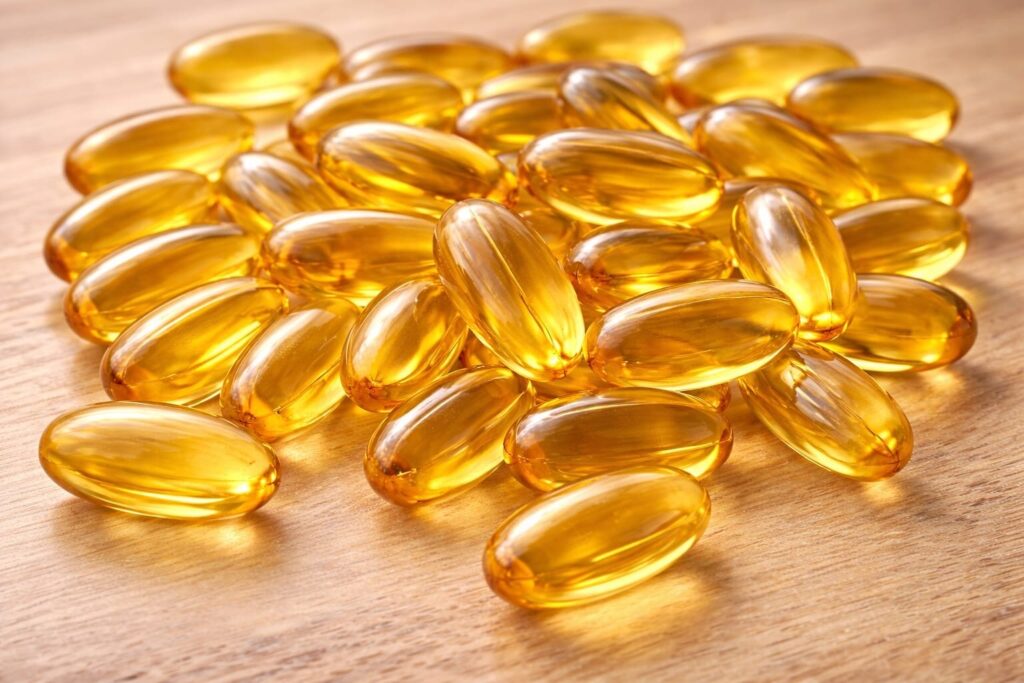
5. You can consume cod-liver oil capsules (consisting of omega 3) after consulting your doctor.
6. Add foods high in fiber, fresh fruits and vegetables, and whole-grain breads.
7. Drink at least 8 glasses of water every day.
8. Avoid trigger factors like spicy food, alcohol, and caffeine.
INVESTIGATIONS AND SUPPLEMENTS
Vitamin D deficiency screening every 1 or 2 years would be helpful in detecting any deficiency early, and if there is a deficiency, vitamin D supplements should be taken after consulting your doctor about the dosage.
YOGA AND MEDITATION
Regular yoga and meditation, at least once a day in the morning, has been proved to reduce stres
Yoga is a useful therapy to manage bothersome vasomotor and psychological symptoms of menopause, like hot flashes, sleep disturbances, and mood changes.
HORMONE REPLACEMENT THERAPY
When to consult the doctor?
1. Vasomotor Symptoms (MOST COMMON indication)
- Hot flushes
- Night sweats
- Palpitations
Sleep disturbance due to vasomotor instability
2. Genitourinary Syndrome of Menopause (GSM)
- Vaginal dryness
- Dyspareunia (pain during intercourse)
- Burning / itching
- Recurrent UTIs
- Urinary urgency, frequency
3. Premature Ovarian Insufficiency (POI) or Early menopause
- Menopause before 40 years (POI)
- Menopause before 45 years (early menopause)
4. Prevention of Postmenopausal Osteoporosis
- At high fracture risk
- Who cannot tolerate or have contraindications to other anti-osteoporotic drugs.
5. Severe Menopausal Symptoms Affecting Quality of Life
- Mood changes
- Irritability
- Poor sleep
- Fatigue
- Cognitive complaints (subjective memory issues)
Benefits:-
1. Relieves hot flashes & night sweats, reduces sweating, flushing, palpitations, and sleep disturbance
2. Improves sleep & quality of life. Better sleep → less fatigue, irritability, and daytime tiredness.
3. Improves vaginal and urinary symptoms. Reduces vaginal dryness, itching, burning, pain during intercourse
4. Prevents bone loss & fractures. Slows bone thinning after menopause. Reduces risk of osteoporosis and fractures (hip, spine)
5. Improves mood and overall well-being. Helps mood swings, anxiety, and depressive symptoms in some women.
Risks:-
1. It can increase the risk of stroke ( hormone therapy can slightly increase the chance of a stroke).
2. It can increase the risk of blood clots, leading to conditions like deep vein thrombosis, pulmonary embolism.
Important reassurances:-
1. It doesn’t reduce the overall risk of death ( taking hormone therapy doesn’t help women live longer compared to those who don’t take it).
2. It does not protect the heart ( HRT does not lower the chance of heart attacks or other heart-related problems)
| WHO MAY BENEFIT FROM HRT | WHO SHOULD AVOID HRT |
| Women with severe symptoms (hot flashes,night sweats, sleep disturbances). | Uncontrolled hypertension |
| Woman is below 60 years or within 10 years of menopause. | Breast or endometrial cancer |
| No history of blood clots, stroke or cancer. | High cardiovascular risk ( previous stroke or heart attack), history of blood clots. |
| Used in lowest dose for shortest duration | Severe liver disease. |
MHT should be used only for severe symptom control, not for prevention of cardiovascular disease.
What are the side effects of HRT?
1. People have reported about breakthrough bleeding as a common issue after HRT
2. They have also reported about Nausea, bloating and acne.
3. There are some people who say, they get headaches and sinus congestion after alcohol intake.
4. Breast tenderness.
EMOTIONAL SUPPORT
Emotional support from the family becomes key during this phase of a woman’s life, here’s what you can do to help your mom feel safe and supported.
1. Listen without judgment
Mood changes, anxiety, or irritability are common during menopause. Litsen patiently.
2. Educate yourselves
Understanding that menopause is driven by hormonal changes and not attitude or personality can foster empathy.
3. Be patient during emotional shifts
Sudden sadness, frustration, or overwhelm can occur without warning. Offering reassurance instead of criticism helps her feel safe and supported during vulnerable moments.
5. Share responsibilities
Fatigue and poor sleep are common. Helping with household tasks, caregiving, or daily errands can significantly reduce stress and emotional burden.
6. Support healthy routines together
Join her in adopting healthy habits—balanced meals, regular walks, yoga, or relaxation practices. Doing it as a family reinforces encouragement rather than pressure.
7. Respect her need for space
Some days she may need quiet time or rest. Respecting her boundaries without taking it personally shows emotional maturity and care.
8. Encourage professional help when needed
If symptoms are affecting her quality of life, gently encourage a consultation with a healthcare professional. Emotional support also means helping her seek timely medical care.
9. Offer reassurance and appreciation
Simple gestures—kind words, gratitude, or small acts of affection—can boost emotional well-being and remind her that she is valued beyond her symptoms.
10. Stand with her, not against her
Menopause is a transition, not a weakness. When family members act as allies rather than critics, women feel empowered rather than overwhelmed.
Lots of women across the world are not aware about the changes that occur in their body during this period of menopause and often tend to neglect their symptoms.It’s necessary for them to observe these symptoms and take measures as mentioned above in this article.
While menopause comes with its challenges, it also opens the door to a more self-focused and fulfilling life. Freed from monthly cycles, many women find the energy and mental space to reconnect with their passions, goals, and sense of self—making menopause not just a change, but a new beginning.