
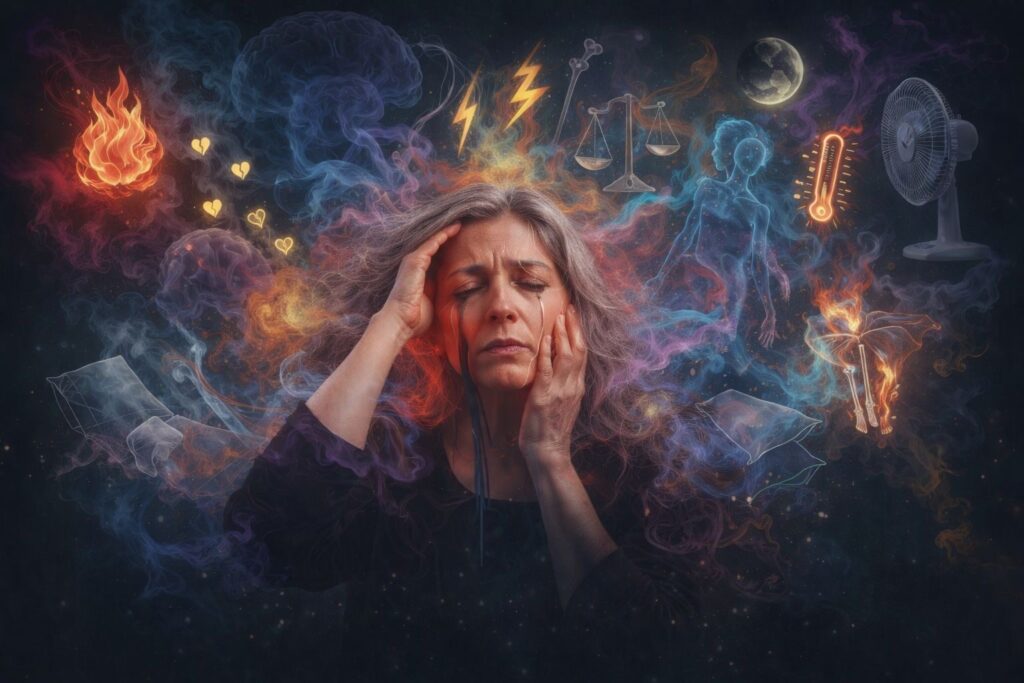
I feel sad all the time. I feel like I’m sitting a metre away from the sun. Why aren’t my periods regular? I was once a blossomed flower withering out day by day, with beauty fading, wrinkles appearing, and hair falling. What is happening to me? Am I suffering from a fatal disease? Have I fallen prey to any chronic illness?
Don’t worry. You are absolutely normal. A 45-55 year old woman experiencing all these symptoms is just undergoing a phenomenon called ‘MENOPAUSE’.
A textbook would define menopause as the permanent cessation of menstruation at the end of reproductive life due to the loss of ovarian follicular activity. But in simpler words, it is the point of time when the last and final menstruation occurs. It is a retrospective diagnosis which is made 12 months after your last menstrual period. Few common symptoms like hot flushes, night sweats, vaginal itching, dryness, pain while having sexual intercourse, burning urination, hair loss, and wrinkling of skin also aids in the diagnosis of menopause. As mentioned earlier, the age group which undergoes menopause is women around the age of 45 to 55 years. This does not depend on the age at which a woman starts menstruating (menarche) but is affected by genetics. With advancing healthcare facilities leading to increased life expectancy for women, most women will experience menopausal transition and spend a significant number of years of their life in the menopausal phase. So it is of paramount importance that every woman learns about menopause, understands her body, and embraces the change in the most graceful way possible.
How does menopause occur? What happens inside your body?
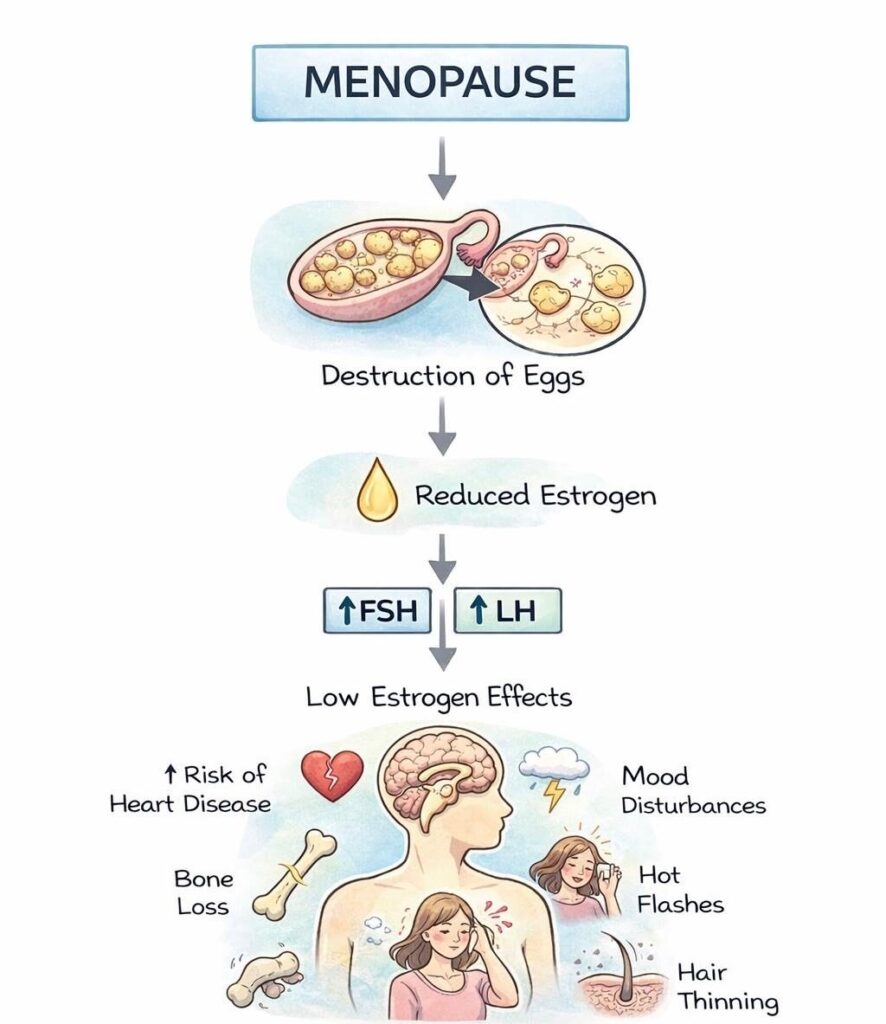
The ovaries are the principal organs of the female reproductive system. These contain numerous tiny eggs, each of which matures and ruptures every month, and is responsible for menstruation. Simultaneously, as they grow, they secrete a hormone called estrogen. This estrogen then communicates with various organs and systems and makes sure the cycles are regular. Estrogen also has various other functions, like maintaining healthy bones, skin, hair, reducing the risk of cardiac diseases, keeping a calm mind, and so on. Estrogen also sends signals to the brain to stop producing two other hormones called FSH and LH by a negative feedback mechanism. But in menopause, there is destruction of these tiny eggs. As a result, there is reduced production of estrogen, which in turn leads to increased FSH and LH. As there are reduced levels of estrogen, various functions of estrogen will get affected, which is explained in the coming paragraphs.
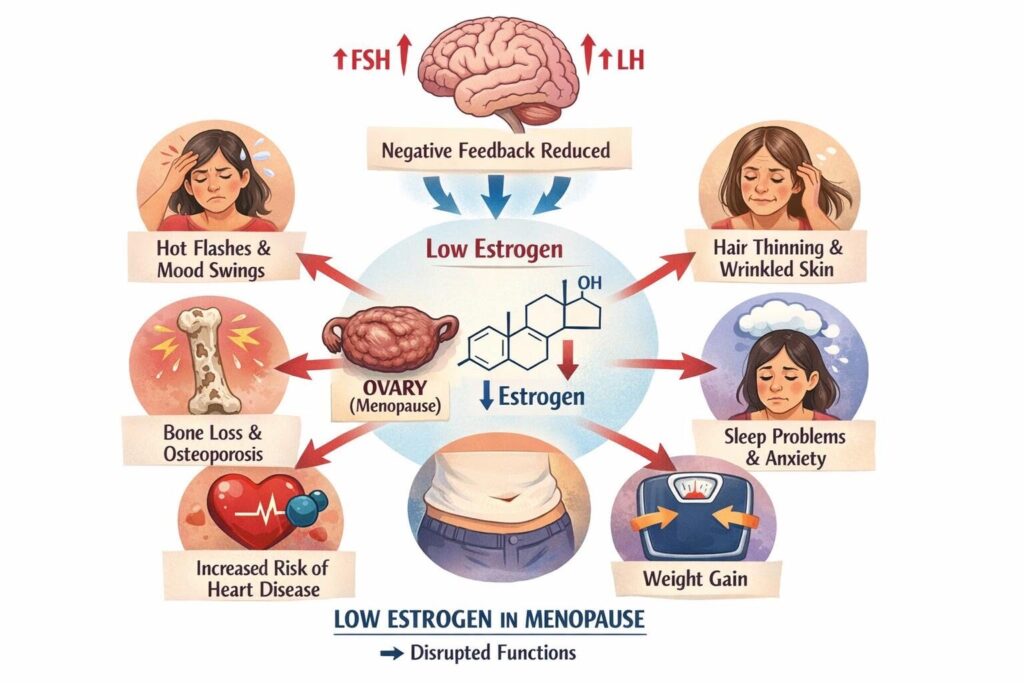
Menopause isn’t one symptom—it’s a whole spectrum. Let’s break it down, one by one.
As mentioned earlier, menopause is an umbrella term which encloses multiple symptoms and not just one or two. Let’s dig deeper into each symptom one by one.
1. Irregular menstrual cycles
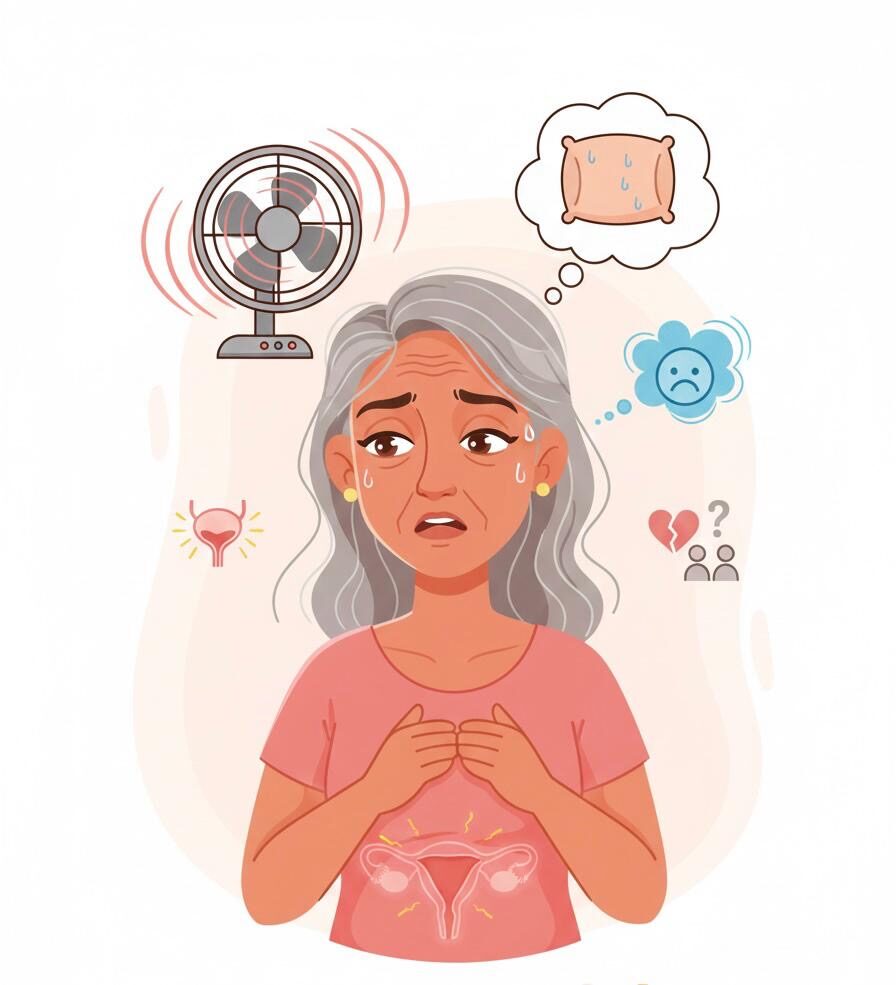
Irregular bleeding patterns are often one of the earliest signs you might experience during menopausal transition. Your periods may start to change in how often they come and how long they last. The bleeding may be light or heavy, and some periods may be skipped altogether.
Menopause is diagnosed when you have not had a period for 12 consecutive months. If bleeding occurs after 12 months without periods, it is important to consult a healthcare professional, as this may indicate an underlying health problem.
2. Hot flushes and night sweats
Hot flushes occur due to falling estrogen levels, which disturb the body’s temperature control. You experience hot flushes as a sudden wave of heat, often followed by heavy sweating. Each episode usually lasts for one to ten minutes. At times, the sweating can be so intense that it disrupts sleep. When these episodes occur at night, they are known as night sweats.
“I feel like I have to wash my bedsheets twice as often because they’re drenched by morning,” this is what many women say while describing their experience with night sweats. Although these symptoms can feel overwhelming and uncomfortable, it is important to remember that they are completely normal. They are a natural part of the menopausal transition and not a sign of illness.
3. Wrinkling of skin with slight loss of hair
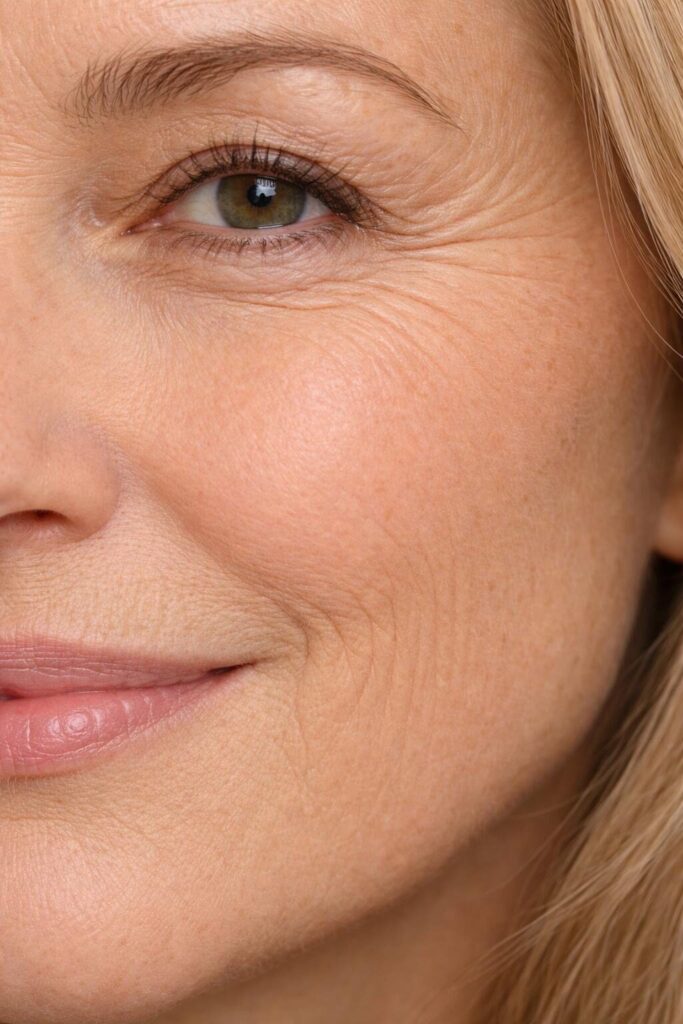
During menopause, you might notice visible changes in your skin and hair. This is mainly because of the reduced estrogen levels. Estrogen plays an important role in keeping the skin firm, smooth, and elastic. As estrogen levels decrease during menopause, the skin gradually becomes thinner, drier, and less elastic, which results in wrinkling of your skin. You may find fine wrinkles around your mouth and eyes. These changes are more obvious on the face because this area is extremely sensitive to hormonal changes.
Estrogen also helps in maintaining healthy hair growth. After menopause, you might also experience thinning of pubic and axillary (underarm) hair. Mild hair thinning on the scalp may also occur. This happens because estrogen levels drop while testosterone remains at the same level, which can affect hair growth leading to loss of hair.
These problems are temporary and are purely due to menopause. Any sort of worrying is not necessary. Eventually, these problems can be overcome with the help of hormone replacement therapy.
4.Genito-urinary symptoms
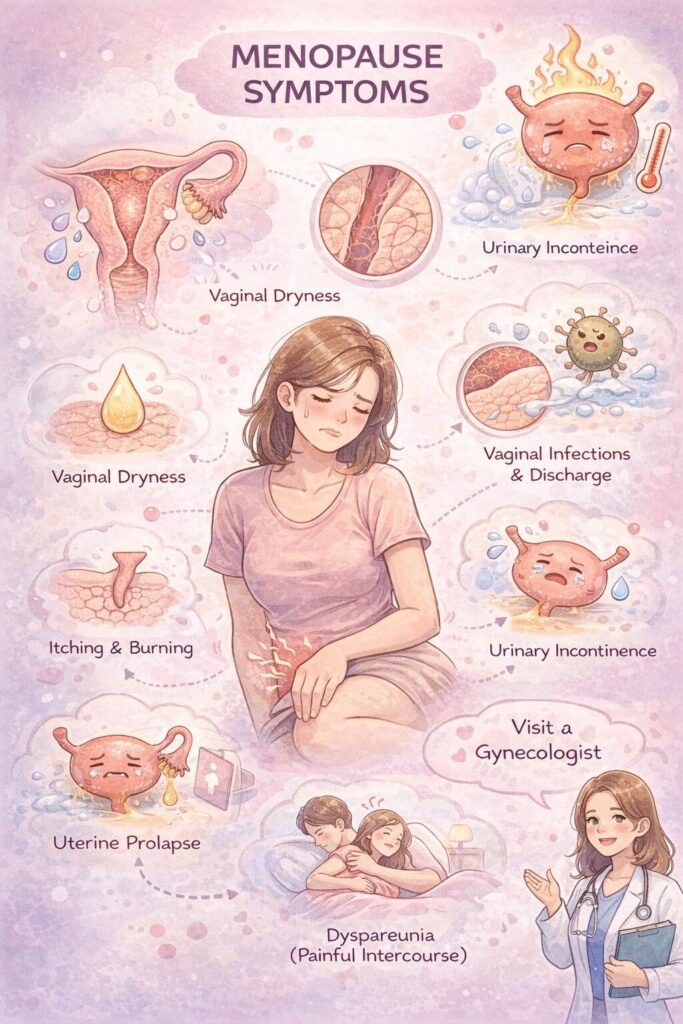
Due to reduced estrogen levels, there is reduced blood flow to the vagina, which reduces vaginal secretions and increases vaginal pH.
This causes atrophy of the vaginal mucosa, which simply means the cells on the surface of the vagina are destroyed. Because of this you might experience vaginal dryness, narrowing and shortening. Vaginal infections and discharge are also common along with intense itching. uterine prolapse might also occur sometimes.
Dysparunia is also a common symptom of menopause. This means that you might experience pain while having sexual intercourse.
Other symptoms that you might experience includes burning sensation experienced while voiding the urine and increased frequency of urination. As mentioned earlier, all these are simply the symptoms of menopause and not anything fatal. Do not freak out on experiencing these, instead visit a gynaecologist and explain your symptoms, get the best solution to overcome them.
5. Decreased sexual desire
Decreased sexual desire is prevalent during the menopause transition and may affect as much as 10% of women . The decreased estrogen and testosterone levels associated with aging are assumed to contribute to these symptoms. The two main causes associated with this are the psychological changes (depression, anxiety) as well as the genitourinary system discussed earlier. If you are experiencing all these, it’s simply menopause playing its vicious game.
6. Psychological changes
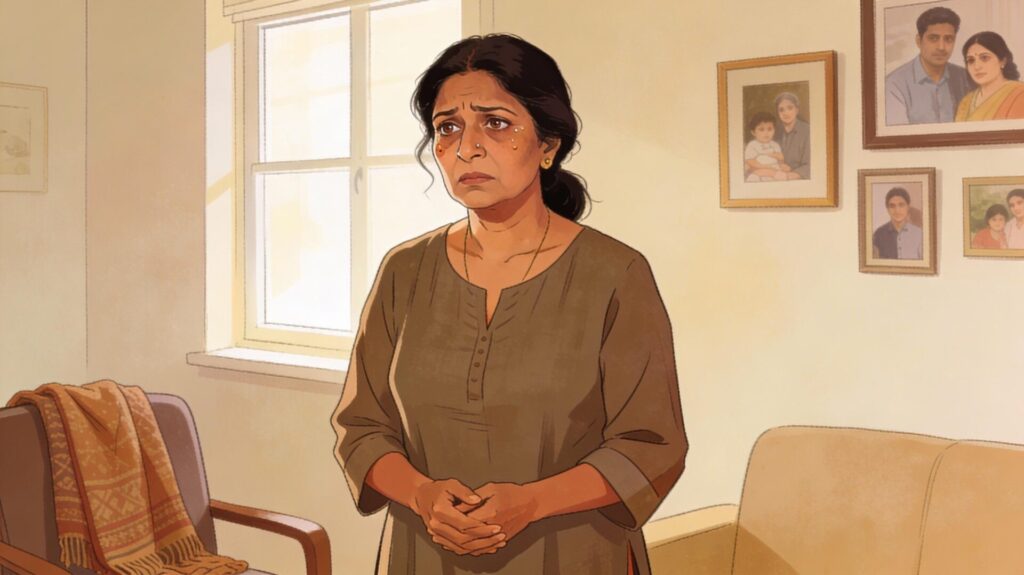
You might also experience symptoms like anxiety, headache, insomnia, irritability, brain fog and other depressive symptoms while undergoing the menopausal transition. Many women report feeling low and emotionally unstable during this period. They also suffer from dementia (which is a condition in which a person slowly starts having trouble with memory, thinking clearly, and carrying out everyday activities), mood swings and inability to concentrate. Estrogen increases opioid (neurotransmitter) activity in the brain and is known to be important for memory. The decrease in estrogen levels, yet again, is the reason for these symptoms.
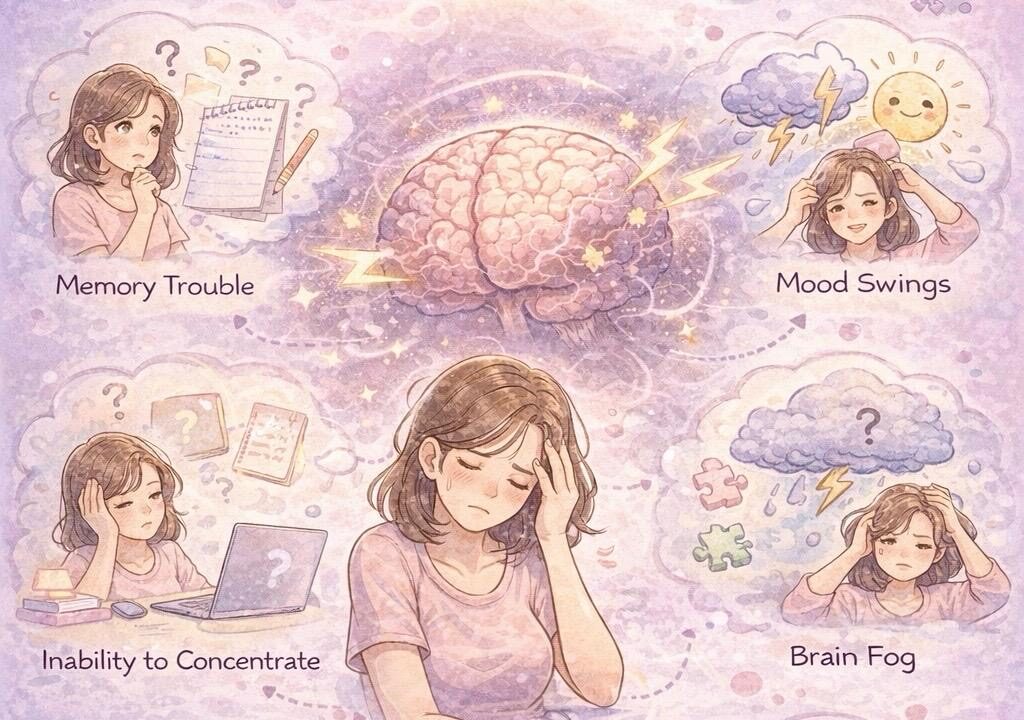
It is of paramount importance here to understand that depressive symptoms are not the same as major depression.
Depressive symptoms are more common and milder. In the SWAN study, about 1 in 5 women had depressive symptoms before menopause, and then declined after menopause. Factors like hot flashes, stressful life events, smoking, poor social support, financial stress, obesity, and low education increased the likelihood of depressive symptoms.
Major depression, on the other hand, is a serious mental illness diagnosed only when several symptoms last for at least two weeks and significantly affect daily life. The incidence of this was very much rare (just about 3%) compared to the incidence of depressive symptoms. The risk increased during perimenopause and after menopause, especially in women with stressful life events or anxiety disorders.
7. Complications after menopause
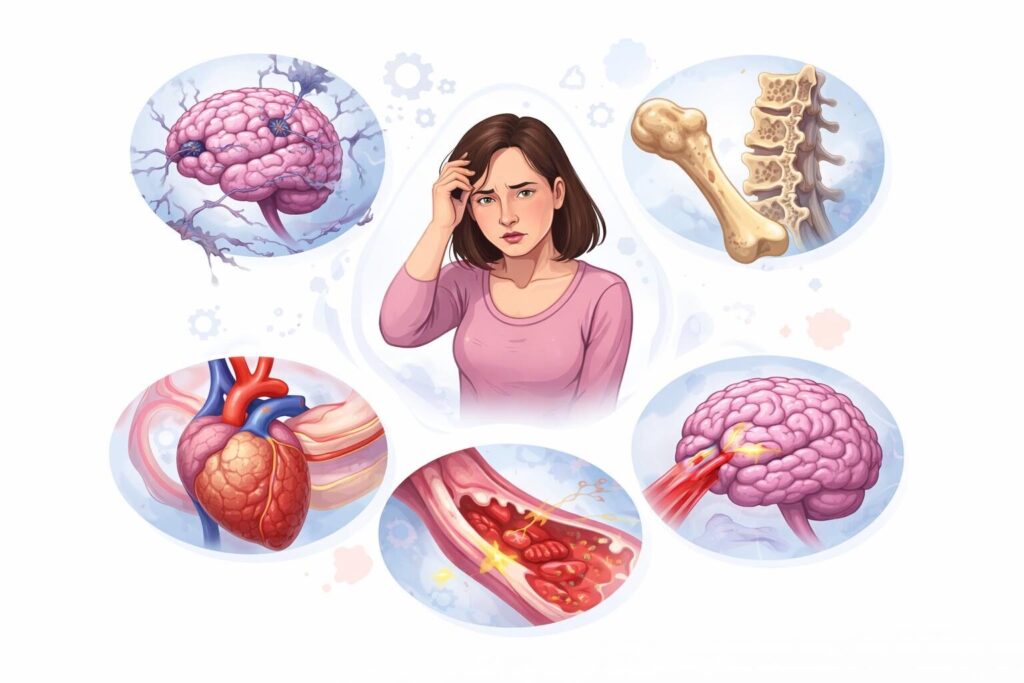
Because of the fall in estrogen levels, a lot of imbalance is created in the various systems of your body. This can in turn lead to few complications. An important thing to note here is that not every woman undergoing menopause will end up with these complications. A very small population of women experience these. Let’s look into each of them in detail :
- Alzheimer’s disease
As mentioned earlier, estrogen is essential for adequate functioning of neurotransmitter activity in the brain. Reduced estrogen results most commonly in dementia and Alzheimer’s. Alzheimer’s disease is a brain disorder in which a person slowly starts forgetting things. It affects memory, thinking, and daily activities. Some studies do show that those on long standing post menopausal hormone therapy have reduced risk of developing Alzheimer’s disease. It’s always best to consult a gynaecologist and start taking treatment the moment you feel your menopausal symptoms are getting on the severe side.
- Osteoporosis
Normally, bone formation (osteoblastic activity) and bone resorption (osteoclastic activity) are in balance, with Estrogen playing a key role in this mechanism. These are the mechanisms how estrogen helps in increasing bone mineralisation :
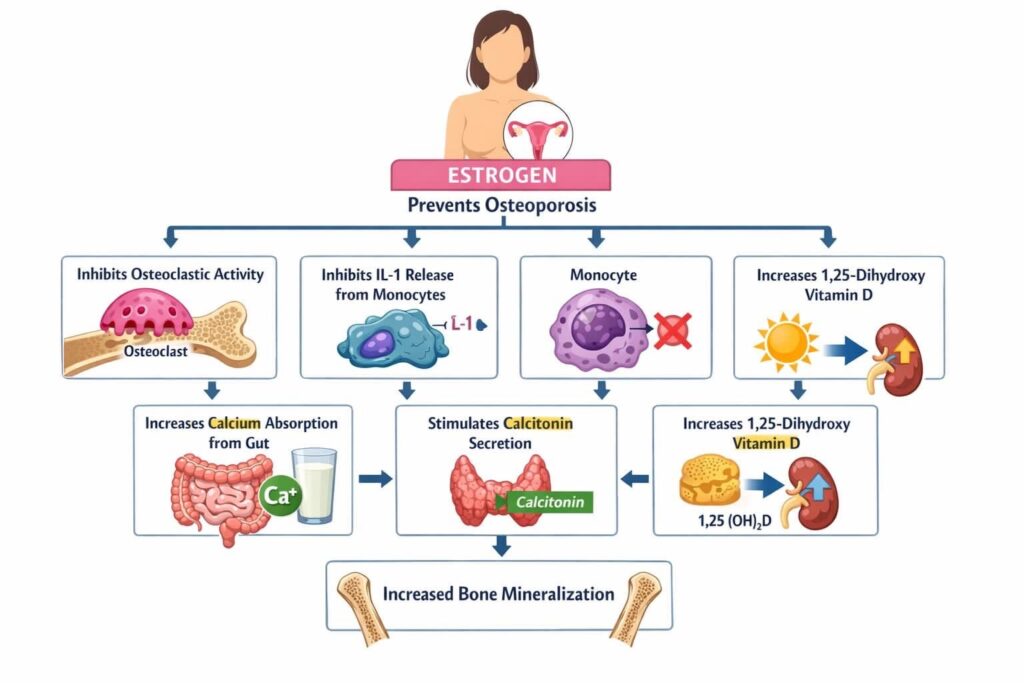
But after menopause, bones start breaking down faster than they are rebuilt.The body also absorbs lesser calcium from the intestines, which further weakens the bones. As a result, your bones become thinner and more fragile, increasing the risk of fractures. There is a loss of bone mass by about 3–5% every year. This results in a condition called Osteoporosis which may lead to back pain, loss of height and kyphosis (forward bending of the spine). Fracture of bones is a major health problem. Fracture may involve the vertebral body (the back bone), femoral neck (the upper end of thigh bone) or distal forearm (Colles’ fracture).
You can get a CT and DEXA scans to assess your bone-mineral density. Once assessed, regular medications can help in preventing this condition.
- Cardiovascular and cerebrovascular diseases
Studies show that total cholesterol, LDL cholesterol and apolipoprotein B are the primary risk factors affected by menopause. Increased cholesterol levels were established soon after cessation of menses. This could lead to vascular atherosclerotic changes, vasoconstriction and thrombus formation.Risks of ischemic heart disease, coronary artery disease and strokes are increased. So, preventive measures aimed at reduction of heart disease in women should be initiated in early menopause.
Conclusion
Menopause is not a fatal disease, but a natural and inevitable transition in a woman’s life. It sure does occur with a wide range of symptoms like hot flushes, night sweats, wrinkling of skin, loss of hair, changes in bone, mood, sleep and cardiovascular system, but the symptoms experienced by every woman vary in severity, nature, and duration and can start before menstruation ceases.
Awareness is the first step toward empowerment. Understanding what is happening inside the body can greatly reduce fear and uncertainty.When women recognize menopause as a normal biological phase rather than a sign of illness, they are better equipped to seek help, make informed health decisions, and maintain quality of life.Importantly, many of these menopausal symptoms are manageable with timely medical care, lifestyle modifications, emotional support, and when appropriate, hormone therapy.
Menopause does not mark an end, but a new beginning in womanhood!
References
- The journal of clinical endocrinology and metabolism: The Menopause Transition: Signs, Symptoms, and Management Options – https://academic.oup.com/jcem/article/106/1/1/5937009
- National library of medicine: Perimenopause: From Research to Practice – https://pmc.ncbi.nlm.nih.gov/articles/PMC4834516/
- Journal of internal medicine : Menopausal status and risk factors for cardiovascular disease- https://onlinelibrary.wiley.com/doi/full/10.1046/j.1365-2796.1999.00547.x
- Best Practice & Research Clinical Obstetrics & Gynaecology : Volume 23, Issue 1, February 2009, Pages 25-32 https://www.sciencedirect.com/science/article/abs/pii/S1521693408001387
- Mayo clinic: perimenopause – https://www.mayoclinic.org/diseases-conditions/perimenopause/symptoms-causes/syc-20354666