


Introduction:
Your aunt just got diagnosed with diabetes. You might have seen the phrase “I have sugar” thrown around. Maybe you’ve never seen anyone with the condition before, and you want to help someone struggling with it. Let’s dive into the facts headfirst: Diabetes is like that one pesky younger cousin; it will never leave you, but with a little time, some patience, and help, the bond might grow into something sweeter, and the help part is where you come in. Diabetes may be a life sentence, but even that comes in all ways, shapes, and forms. From the type that disrupts your body’s fluid balance, making the patient urinate excessively, to India’s favourite: Diabetes mellitus. The one that causes high blood sugar levels. Over 25% of the global diabetic patients are Indians, making India the diabetic capital of the world! That means, 1 in every 3 families has a diabetic patient. So if someone you know has diabetes mellitus, they’re really not alone. Before we can come in as the help, it might be better to understand what the condition is and how it affects the body.
What happens in diabetes: A breakdown
At the baseline, the insulin hormone that regulates your blood sugar levels tends to be faulty, either at production or during action. Which leads to an imbalance in the body’s blood sugar levels. They can swing both ways; too high and too low. Here’s how you can identify, help, and if possible, prevent these episodes.
Hyperglycemia – High blood sugar
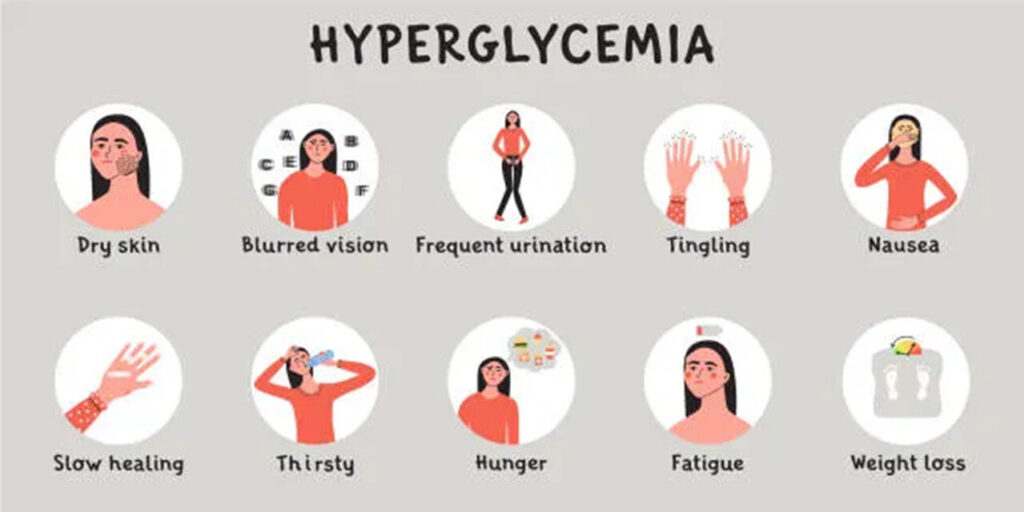
Your role as a supporter:
Once you have identified what’s happening, here’s how you can offer help:
– To confirm, you can check their blood sugar to see the accurate figures. Here are the ranges of normal and high blood sugar levels:
– Normal sugar – The target range for diabetic people:
– Before meals – 80-130 mg/dL
– 1-2 hours after meals – <180 mg/dL
– High blood sugar:
– Fasting: >130 mg/dL
– After meals: >180 mg/dL
– If they’re on insulin, administer a correction dose
– If symptoms worsen, call a doctor.
Prevention and management:
– Prevention may be impossible, but a good few measures can always reduce frequency.
– Focus on a balanced diet with a higher protein and fiber intake, and a lower carb intake.
– Taking medication and administering insulin on a routine often helps.
– Consistent testing of blood sugar levels may help you accurately regulate blood sugar levels.
Hypoglycemia: Low blood sugar
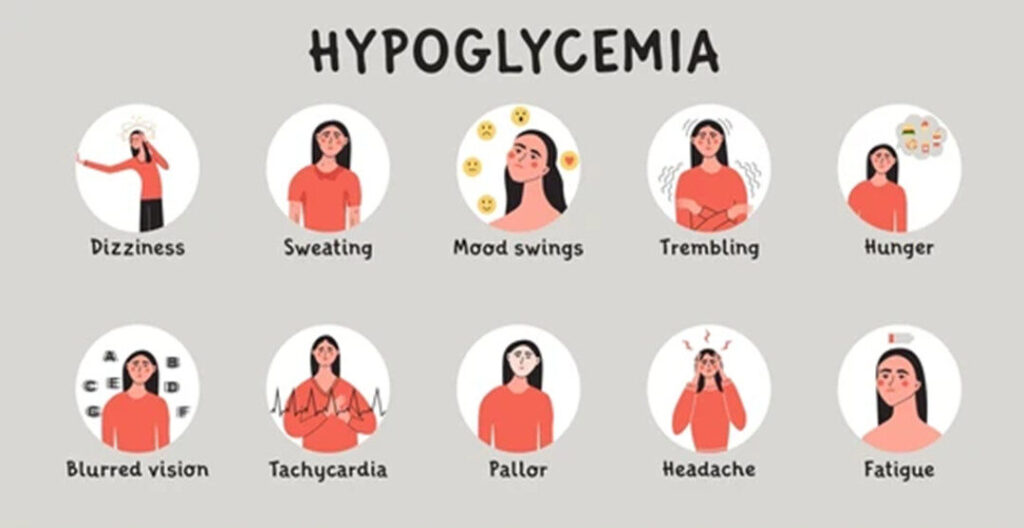
Your role with support:
– Give fast-acting sugars – like glucose tablets, fruit juice, some sugar, or honey.
– Wait for some time, and check blood sugar levels again.
– If symptoms worsen, call a medical professional.
Prevention and management:
– With a chronic condition like diabetes mellitus, an episode of low sugar is going to appear often. To keep it under check and manage it longer, you can often help out with:
– Encourage routine exercise.
– Have strict meal timings.
– Take medication timely.
– Routine sugar checks.
Additional support: Daily and otherwise
Being the pillar of support can make a vast difference in the management of this condition. You can:
– Ensure if prescribed medication is being taken every day and on time.
– Set up routine check-ups with the doctor to alter any medication/insulin dosage, and also to monitor the progression of the disease.
– Logging every day can be done by a family member to track blood glucose levels and medication routines.
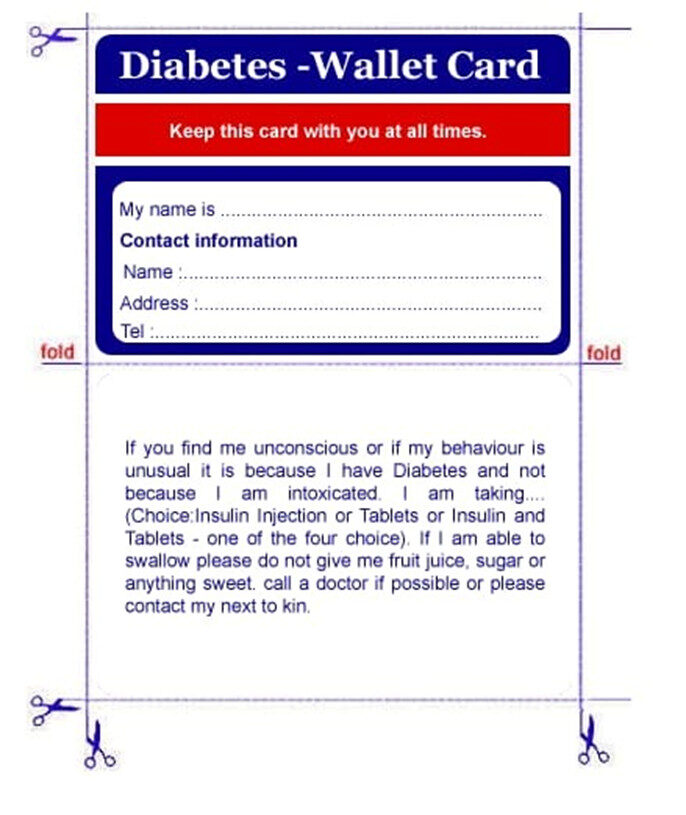
– Make a diabetes card:
– Plan diets: Foods to promote:
– Leafy green vegetables:
– Spinach, methi, cabbage, etc.
– Fruits
– Apple, guava, papaya, etc.
– High fiber foods
– Oats, lentils (dal), whole wheat, kidney beans, etc.
– Complex carbohydrates – foods with a low glycemic index (prevents sugar spike after meals)
– Brown rice, sweet potato, millets, etc.
– Foods to avoid:
– Added sugars like sweets, chocolates, etc.
– Refined/processed carbohydrates like white bread, maida-based foods like naan, instant noodles, etc.
– Deep-fried food like samosas, pakoras, etc.
– Snacks with high salt levels like namkeen, packaged chips, etc.
Conclusion:
Diabetes is here to stay, it’s something you live with everyday, possibly for the rest of your life. Sugar levels fluctuate, and some days are just harder than the others, but with help and support, possibly from you providing for a loved one, it can be as powerful as any medication itself.
Being present, checking up on them, or helping them out in little ways can mean more than just a gesture, it improves their quality of life. You don’t need to be a doctor to provide care, and when you are there for someone, they feel less alone.
Take home message:
You, as a caregiver, aren’t expected to treat or cure the disease, just be there for them. Notice the signs, notice the patterns, and evolve with your loved one to live with diabetes.