


Take a moment. Pause. Pay attention to every muscle in your body and how you are positioned in space at this very moment. You might be proud to say that your shoulders are back, chest is puffed out, and your back feels perfectly aligned. But let’s be honest, straightening the back probably came as a reflex at the words “slouching” and “spine” in the title, right? The real challenge is to maintain the same awareness of our body at all times.
Spine health is currently an under-discussed concept. But that’s no reason to think that it’s not a widespread problem. To put it in perspective, a recent review found that the lifetime prevalence of lower back pain in India was 66%. That’s well over half the population unknowingly putting themselves at risk of avoidable spinal degeneration, back pain, and muscle stress. It’s important to understand our body’s anatomy and the fundamental forces creating the posture to begin fixing it.
What makes your posture?
In essence, our posture is the position adapted by our body to maintain balance. Our skeleton is made up of strong bones which provide scaffolding and structure, which is in turn supported by muscles and connective tissue to hold the centre of gravity stable and prevent falls.
An interesting part of the skeleton is the spine. Though it forms the central part of the body, it is paradoxically quite unstable in design. It consists of multiple small bones called “vertebrae”which are stacked on top of each other, attached by a series of slightly rigid joints. The joints are called “spinal discs” and contain a thick, jelly-like substance within a strong capsule. This permits flexibility and provides a great range of motion to bend and rotate.
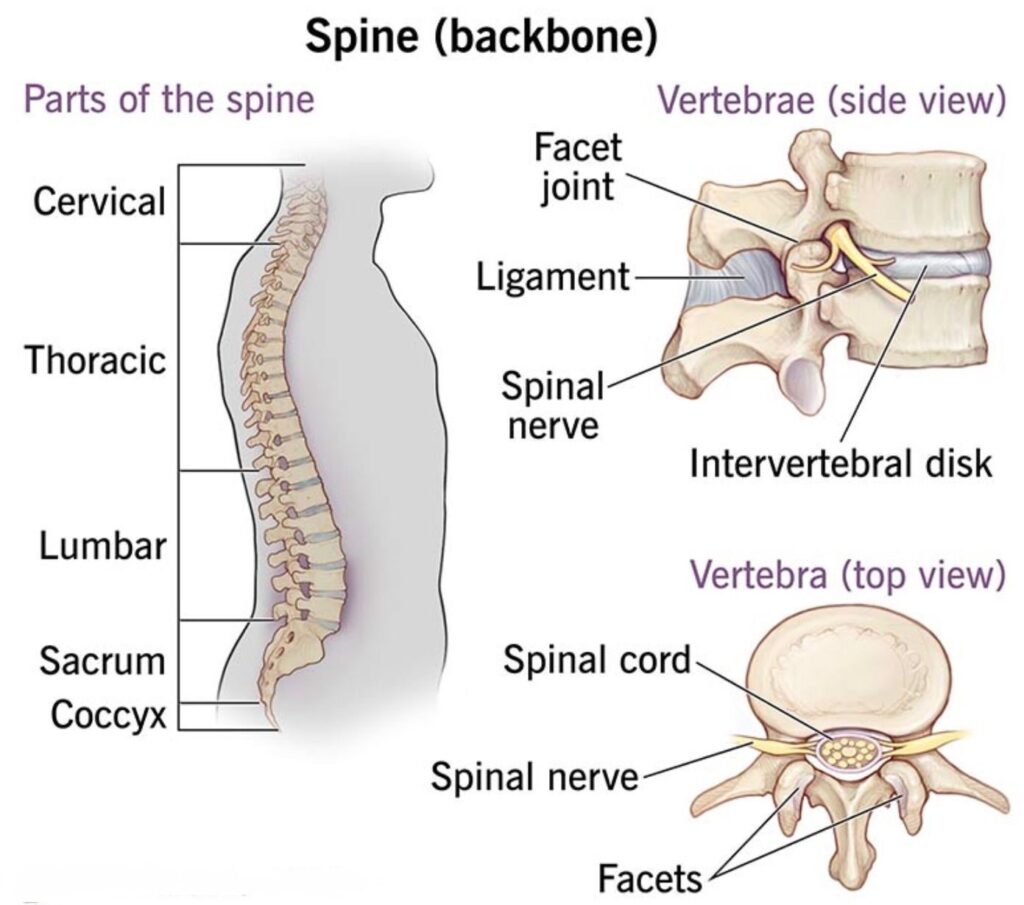
But the increased mobility comes at the cost of stability, making the spine susceptible to the pull of multiple muscles surrounding it. These are postural muscles and span all the way from our neck, back, abdomen, and even to our hips and legs!
- Trapezius – It attaches the lower part of the skull to the shoulder and the upper spine on either side and forms a bulk of the back of the neck and upper part of shoulders. It contributes to shrugging the shoulders and looking ahead.
- Erector spinae – A set of three long muscles running alongside the spine on either side to help in extending, stabilizing, and bending the spine sideways.
- Iliopsoas – seated deeper in the abdomen, it runs from the lower spine to the thigh bone and allows bending of the hip. It supports the lower back and contributes to the tilt of the pelvis.
- Rectus abdominis – famously known as the six pack muscle or “abs,” it keeps the spine from falling backward.
- Gluteal muscles – 3 muscles in each buttock keep the pelvis stable. As the lower end of the spine rests in continuity with the pelvis, the position of our hips plays a key role while standing, walking, and sitting.
- Pelvic floor – present deeper in the pelvis and support the entire abdomen.
- Quadriceps – Running in front of the thigh, they control how we balance our weight onto the feet and also stabilise the pelvis.
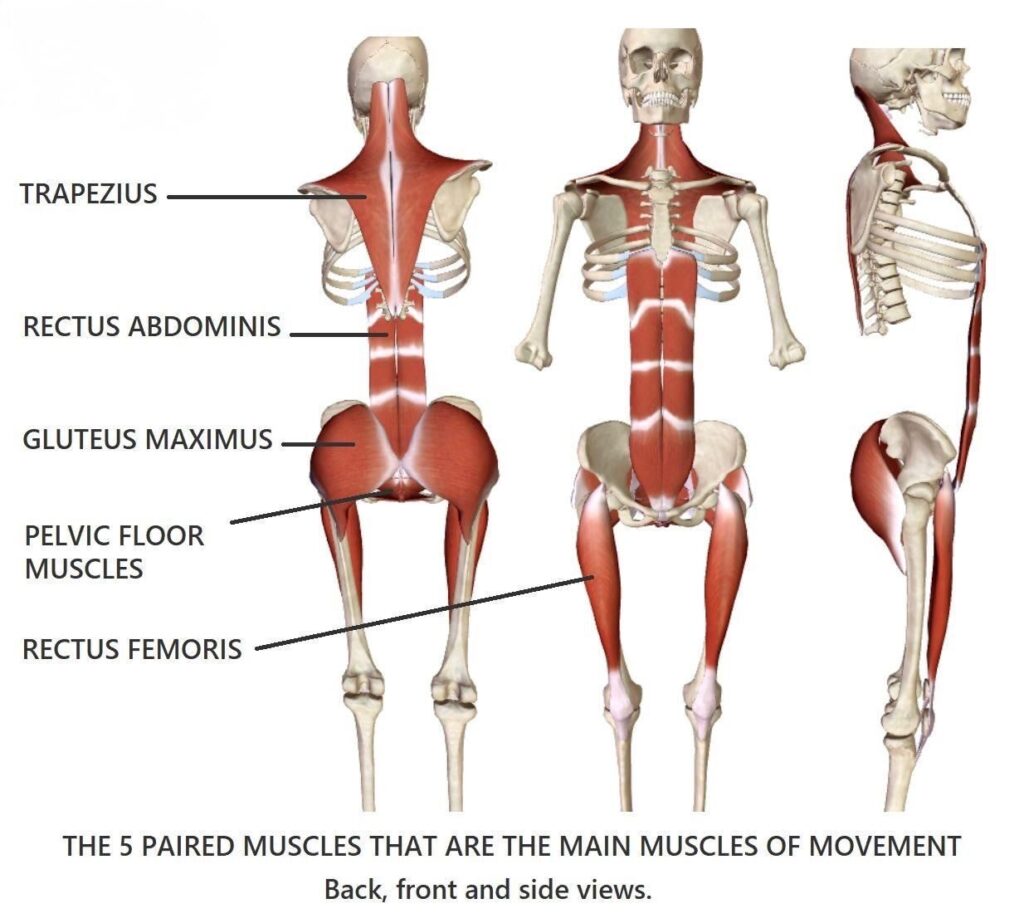
Like a corset, strong muscles hold the spine in a healthy, neutral position by account of their basal tone, even at rest. Basal or resting tone refers to the firmness or strength of a muscle when it is not in active use (ie. Not under direct physical strain). Needless to say, the strength of the muscles at the front should be at par with the ones on the back and about equal on each side for ideal symmetry.
Types of Posture:
1. Passive posture – How you sit, stand, or walk when you’re not actively thinking about your body is your passive posture. This is how most of us spend a majority of the day and this is where most problems arise. Imagine your vertebral column as a fluid line which has to be held in a certain shape at all times. Naturally, suspending it using taut, sturdy supports would be your best bet, right? So, strong muscles with good basal tone would be the greatest asset to put at play here. Improvements in joint and connective tissue health follow naturally.
2. Active posture – Notice how we become very aware of ourselves when posing for a photo, speaking to an audience, or trying to make a great first impression? That’s active posture. It’s your brain choosing to focus on how your body is positioned and consciously fixing it. Most people know what good posture is — they just forget to practice it. So, the second aspect of training good posture is forcing our brain to be aware of our body even during a busy day.
Why do we default to slouching?
Our default position or passive posture depends on keeping our muscles, joints, and bones comfortable in the present moment, while expending the least amount of energy. Our body has evolved to conserve energy and when our mind is focused on things other than ourselves, the musculoskeletal system defaults to a pose of passive rest which is temporarily pain free. When the postural muscles are not of adequate strength and tone, they stretch and fall flaccid in this state. It’s instant gratification in the form of illusional comfort, because this very “default mode” results in long term health problems when done excessively.
Types of postural deformities:
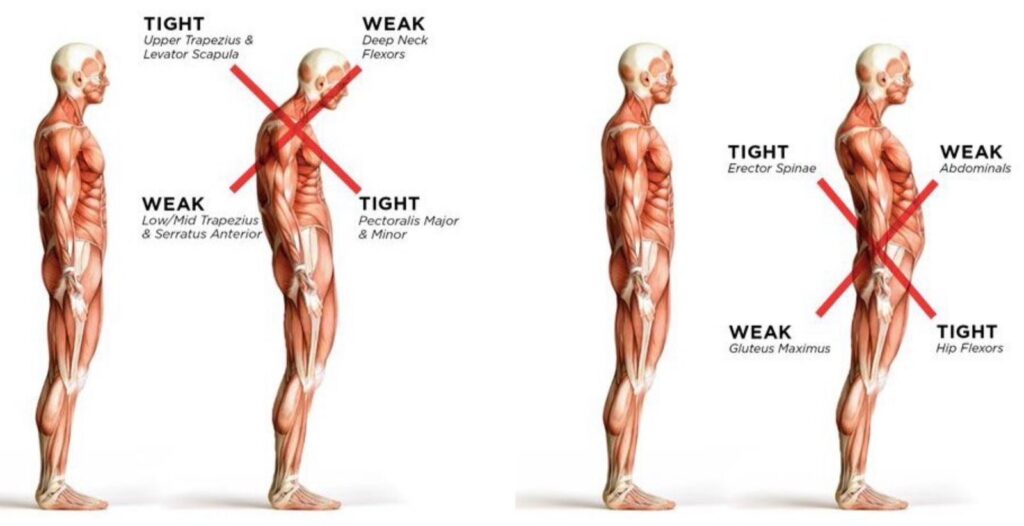
Complex medical terms describe different types of muscular imbalances and the resulting abnormalities in stature. Visual understanding simplifies them.
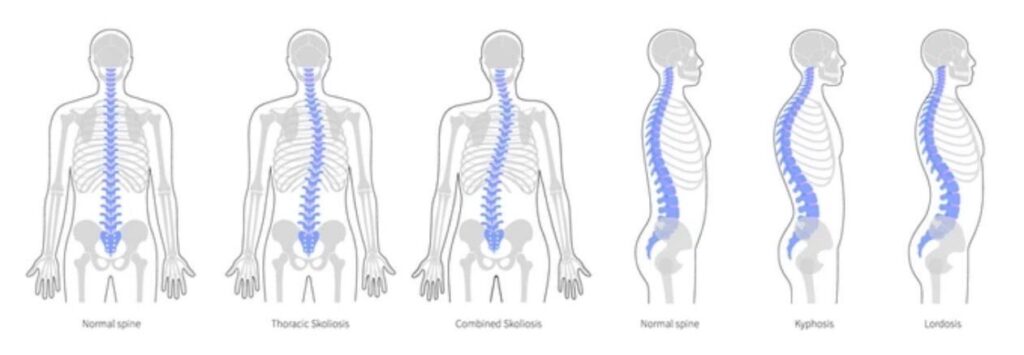
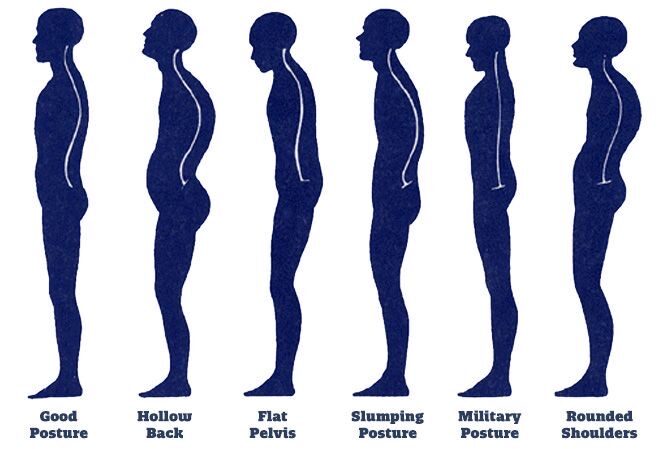
Why is good posture important?
Good posture reduces the pressure or weight carried directly by the spine. Reduced stress on the spinal joints will prevent disc degeneration and prolapse in the long run.
Benefits of good posture
1. Improved spinal health and reduced signs of bone aging
2. Improved breathing and lung capacity due to “opening up” of chest cavity
3. Better blood flow and improved cognitive function
4. Confident appearance and better self-presentation5. Reduced muscle stress and pain
6. Boosted energy levels through efficient muscle use.
Disadvantages of having bad posture
1. Detriment to bones and joints as osteoarthritis (wearing down of joint surface),
prolapse (bulging discs), listhesis (sliding forward of one vertebral bone)
2. Nerve injuries and chronic pain
3. Deformities such as hunchback or neck tilt
4. Impaired mood, confidence, and focus
5. Impaired digestion and reduced expansion of lungs
How to check your posture and what does it mean?
To start, simply follow the advice which we’ve all heard at least a 100 times: listen to your body.
If you suffer from a prolonged, incessant dull ache or a fatigued feeling in your muscles, you likely need to reevaluate your spinal health. Also check for more obvious “red flag signs” which manifest from prolonged neglect:
1. Rounded upper back/shoulders or protruding abdomen
2. Forward head tilt (double chin when looking down)
3. Uneven hips/pelvis tilt, causing one leg dominance
4. Uneven shoulders or tilting of neck
5. Visibly excessive curves of the spine
Performing a few more simple tests at home can spot hidden misalignments to allow early and minor habit corrections.
Mirror Test
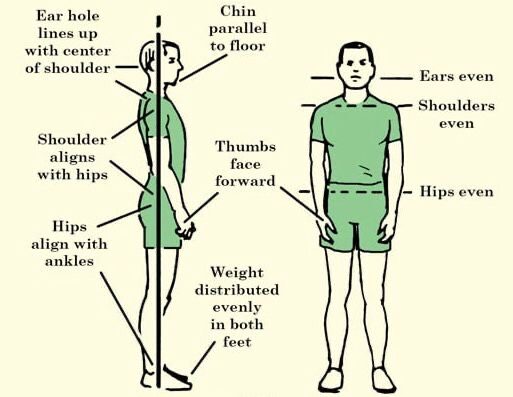
Stand in front of a full-length mirror in minimal or well fitted clothing with bare feet shoulder-width apart and arms relaxed. From the front, the ears, shoulders, and hips should align symmetrically on both sides. From the side, the ears, shoulder tip, hips, knees, and ankle should appear to align along an imaginary straight line. You can even take photos for accuracy or have someone else check this for you. Any deviation from the above standards warrants postural correction.
Wall Test
Place your back against a wall with buttocks and shoulders touching it and the heels of feet 2-3 inches away from the edge. Touching the head back should feel gentle and not cause strain. A neck-to-wall gap over 1 inch suggests a forward head. And on placing a hand behind the lower back, one fist’s space is ideal; too much means swayback, too little means flat back.
But the best part? This test not only reveals any abnormalities but also helps in correcting them— by holding the back in the ideal position against the wall for as little as a minute daily, the muscles get trained to hold neutral alignment!
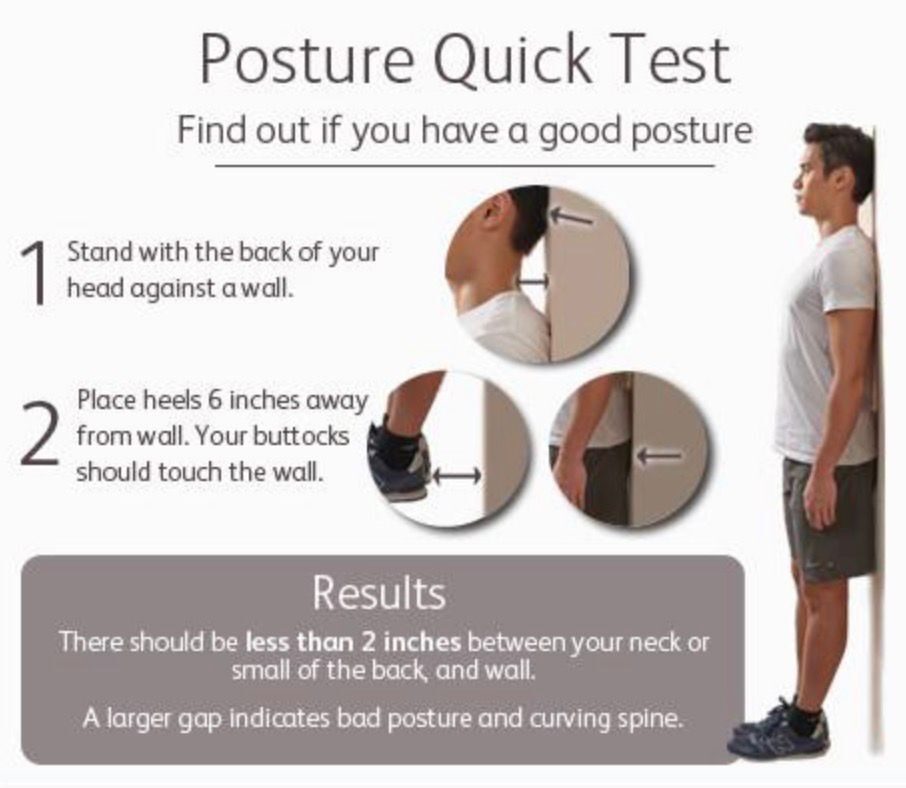
The above tests are explained in more detail in this video. Repeat these tests weekly to check for improvements in posture and reduction of painful symptoms. If the complaints or deformities still persist beyond 3 weeks of training, a visit to a physiotherapist or orthopaedician would be a good investment to make.
How to fix it?
Awareness and Alignment
Improvement begins with self-awareness and prompt correction while sitting, standing, or walking. To help, setting alarms every 30 minutes serve as gentle reminders especially during a hectic day. The following steps help quickly restore spinal alignment!
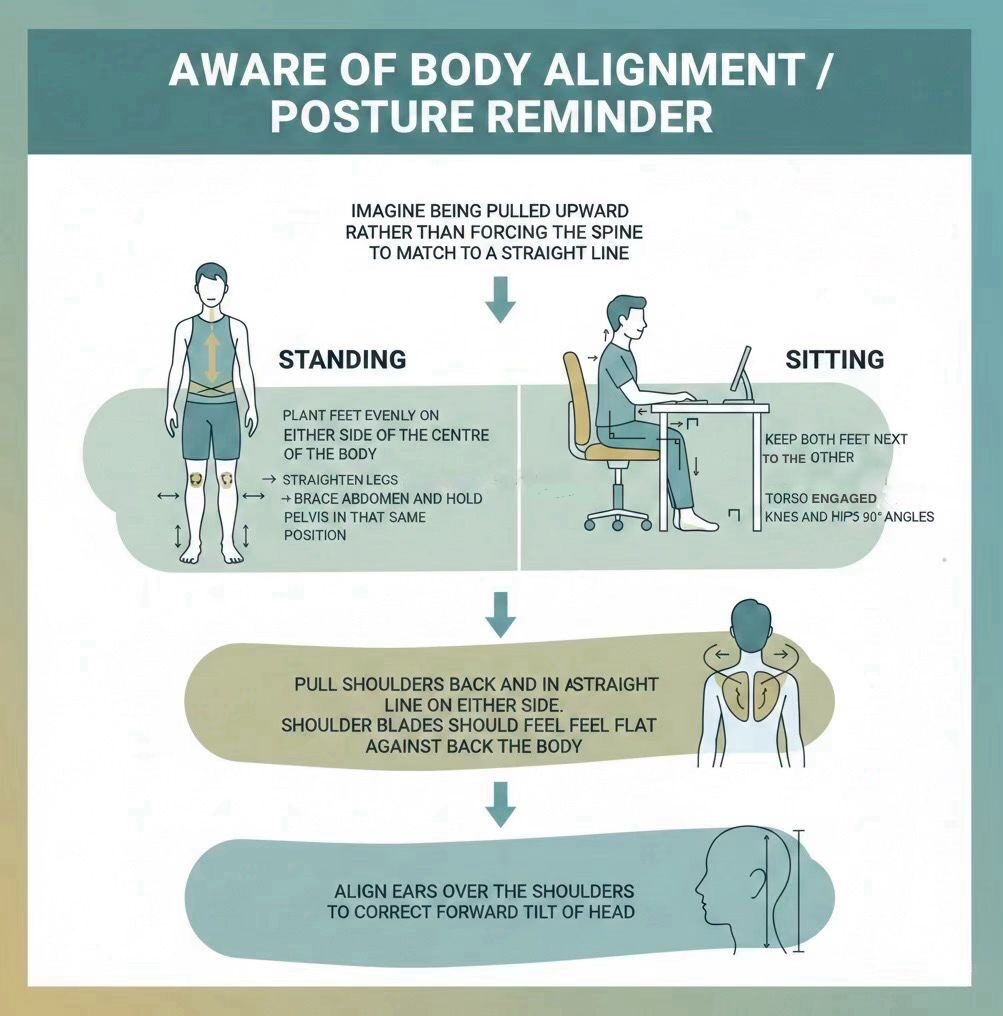
Along with this, practising the wall test and holding the ideal position for 30-60 seconds during breaks will speed up the correction process and start increasing muscle strength.
Exercise Maximum benefit yields from more focused strengthening and stretching regimes which focus on spine health and muscular balance. This included incorporating the following exercises into the weekly workout routine.
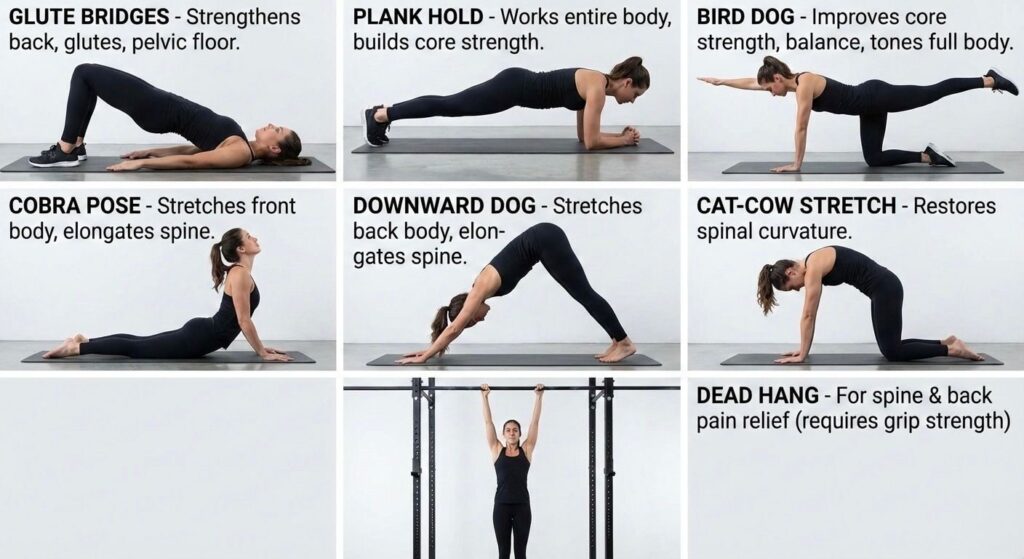
There’s no limit to the number of back and core exercises and stretches available. Movement of any intensity is better than nothing, as long as it is done in the correct way. Explore more options and stick to a routine you enjoy doing consistently because muscles can’t be built overnight!
Choosing the right supports
As most professions in recent times are heavily desk oriented, it is important to make time for activity. But the harsh reality is that an hour or two at the gym, no matter how strenuous, cannot fully undo the effects of 8 sedentary hours. To optimize this large window of time, investing in good furniture is important. Specially designed chairs which provide adequate lumbar support and arm rests with cushioned rigidity are best. Even the right desk height and angulation can relieve the need for excess neck tilt and shoulder strain. To reduce the amount of sitting altogether, standing desks provide a dynamic alternative.
While standing, our entire body weight falls onto just our two feet. If they are not supported well, the other joints, including those in the spine, fall under unnecessary pressure. Footwear can be an expression of fashion to many people and there is nothing wrong with wearing high heels or fancy styles on occasion. But for everyday use, opt for cushioned footwear with arch support which provide functionality and prioritise anatomical support.
When to seek professional help?
If self-checks reveal persistent problems beyond simple habit correction, an early consultation can prevent chronic orthopedic complications. Consult if there is:
- Persistent pain in back, neck, or shoulders lasting >2 weeks despite rest/stretches
- Limited range of motion, numbness, or weakness in limbs
- Visible asymmetry (e.g., uneven shoulders/hips, forward head) worsening over time
- Pain interferes with sleep, work, or daily activities.
- Headaches, fatigue, or radiating symptoms (possible nerve involvement)
Who to See
Start with a physiotherapist for assessment/exercises. They may then refer to an orthopedician if structural issues are suspected.
Final note
Do you feel you are positioning yourself differently now compared to when you began reading this article? If yes, congratulations! You’ve already taken the first step towards better spinal health and posturing. Building consciousness and awareness of our body’s position alongside exercise to create passive support are small steps which yield big rewards in the long run. Health is our greatest asset. Investing time and effort, along with the right equipment, in spinal health will quite literally have you standing tall and proud at any age.
References :
- www.omaghchiropractic.com/health-and-wellness/five-posture-fundamentals/
- https://www.greaterwrong.com/posts/gfYdtiJXFXxGeLd9X/a-good-posture-muscles-and-self-awareness
- https://journals.sagepub.com/doi/10.3233/WOR-205300?url_ver=Z39.88-2003&rfr_id=ori:rid:crossref.org&rfr_dat=cr_pub%20%200pubmed
- https://www.sycamorevalleychiropractic.com/how-to-perform-and-at-home-posture-check/
- https://www.healthline.com/health/fitness-exercise/posture-benefits