
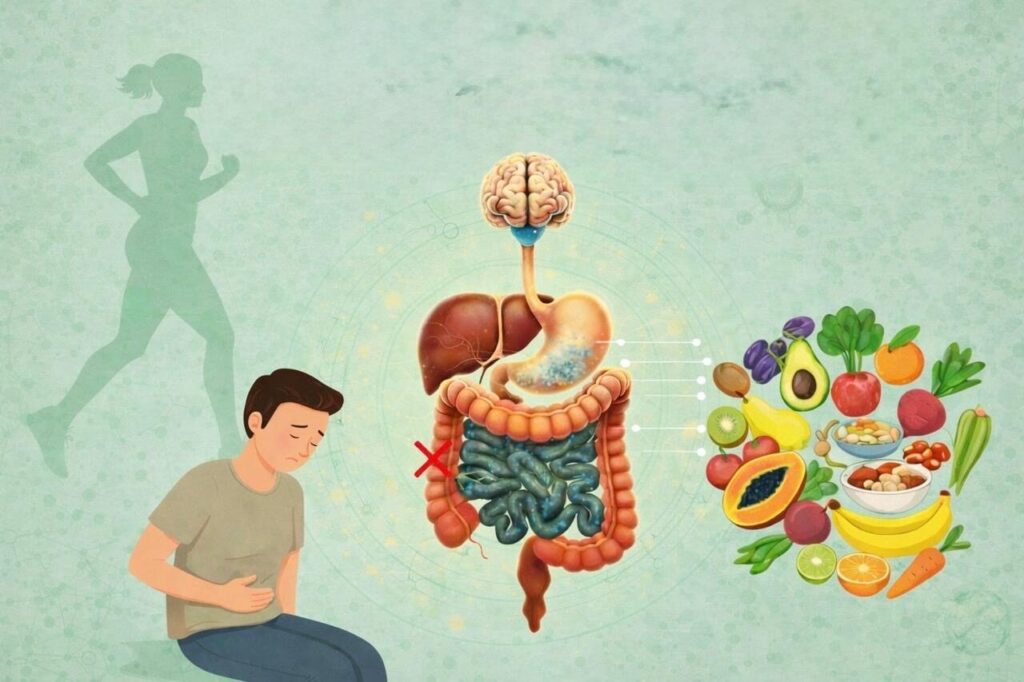
Constipation is something most of us experience at some point in our lives, yet remains a topic people hesitate to talk about. Struggling to pass stools, feeling bloated or uncomfortable, or leaving the washroom with a sense of incomplete relief can be frustrating and even distressing. While often brushed off as a minor inconvenience, constipation can interfere with daily routines, appetite, mood, and overall quality of life. Understanding why constipation occurs and knowing that it is common, manageable, and nothing to feel embarrassed about is the first step towards effective management.
So, what is constipation?
In medical terms, constipation is defined as infrequent, difficulty, or incomplete passage of stools, which is typically characterized by having fewer than three bowel movements per week, passing hard or dry stools, excessive straining or pain during defecation, and a persistent sensation of incomplete evacuation even after a bowel movement.
Bloating and cramps are two of the common symptoms of constipation.
So, how often should you pass stools?
The normal length of time between bowel movements varies from person to person. It may vary from 3 times a day to just a few times a week.
But going longer than 3 days without one is usually too long as your stool gets harder and more difficult to pass.
There are times when patients with constipation have a normal frequency of defecation but complain of excessive straining, hard stools, and lower abdominal fullness.
When to consult a doctor?
You may not be comfortable talking about your bathroom habits, but struggling with bowel movements that aren’t regular is probably even more uncomfortable. The reality is that you’re not suffering alone. Constipation is an extremely common problem.
It is advised to consult a healthcare professional if you’re suffering from constipation with any of the following conditions:
- symptoms that last for more than 3 weeks
- symptoms that disrupt day-to-day activities
- bleeding from rectum
- blood in stools
- constant stomach discomfort
- unexpected weight loss
Prevalence of constipation in India
According to Abbott’s ‘gut health survey’ in India, 22% of adults suffer from constipation annually.
The prevalence of constipation is higher in metropolitan areas than in non-metropolitan areas, which may be attributed to a higher prevalence of sedentary lifestyle, increased consumption of processed and junk foods, lower intake of dietary fibre, greater psychosocial stress associated with poor work–life balance, and a greater prevalence of conditions such as diabetes, hyperthyroidism etc., in the urban population as compared to rural population.
What causes constipation?
In general, constipation occurs when stool moves too slowly through the large intestine. If stool moves slowly through the intestine, too much water is absorbed, making the stool hard, dry, and difficult to pass.
From diet to daily habits, a lot of small things can also quietly clog the system. Some of these ‘small things’ may include:
- Low fibre intake:
Dietary fibres, being the undigested part of the faecal matter, help in adding bulkiness to the stool, which helps in forced movement and also absorbs water making it easier for elimination. Hence decreased fibre intake can make it difficult to pass the stools.
- Dehydration:
Inadequate water intake results in hard stool, making it difficult for elimination.
- Lack of exercise:
Exercise helps to stimulate the natural contractions of the intestines. When you don’t exercise, these contractions slow down, and more water is absorbed making the stool harder.
- Delaying defecation even when there’s an urge.
- Eating disorders like anorexia lead to very low food intake, and dehydration which leads to constipation.
- Anxiety, stress, and depression reduce digestive motility and alter the gut-brain signalling.
- Increased consumption of junk food may contribute to constipation, as these foods typically contain little to no dietary fibre.
Constipation may be a side effect of some medicines which treat the following conditions:
- pain
- high blood pressure
- seizures
- depression
- allergies
- disorders of nervous system
Some of the medical conditions that may lead to constipation include
- diabetes
- hyperthyroidism
- irritable bowel syndrome
- multiple sclerosis
- pregnancy
- parkinson’s disease
- Constipation as a withdrawal symptom:
Withdrawal from addictions such as tobacco, smoking can sometimes cause constipation and other intestinal difficulties. Fortunately, digestive issues usually resolve themselves in a matter of weeks.
Eating a diet high in fibre, drinking lots of water and exercising regularly to help your body adjust to the absence of tobacco can help relieve constipation.
- Laxative abuse
Some people take large quantities of laxatives at one time, and over time may find it very difficult to stop using them because the body becomes reliant on their effects.
With prolonged laxative misuse, the intestines can lose normal muscle and nerve responsiveness, leading to dilation of the bowel and reduced ability to move stool effectively on its own. This is often reversible, but recovery may be a slow process.
- Opioid induced constipation:
Opioid-induced constipation (OIC) accounts for over 40% to 60% in patients without cancer receiving opioids. Laxatives must be started at the same time as the opioid to prevent OIC.
Opioids such as Morphine slow peristalsis, dry the stool, and interfere with the normal defecation reflex, leading to constipation.
How can I prevent constipation?
It is very simple to prevent constipation by following these regularly:
Hydrating yourself with at least 2-2.5 litres of water every day can help soften the stool for easy movement.
Increased fibre intake:
Fibre requirement recommended by ICMR-NIN (2024) for a normal adult is about 40 g/2000Kcal per day. This can be achieved by adding cooked vegetables and fruits like:
- kiwi fruit, pumpkin, prunes – high fibre, easy to digest
- guava, avocado, spinach, pear, banana – high fibre
- papaya – contain enzyme for digestion
- apple – helps to soften stool
- lady’s finger – gel like fibre softens stool
- beetroot – improves bowel movement
- carrot – supports gut mobility
- orange and sweet lime – hydration along with fibre
- dry plums – natural laxative
Nuts, beans, whole grains also increase fibre
*People suffering from diabetes are advised to avoid bananas and pumpkin and moderate beetroot.
It is recommended to increase fibre intake gradually rather than all at once, as a sudden rise in dietary fibre can lead to bloating, gas, abdominal discomfort, and other digestive symptoms.
- Try bowel training:
Training yourself to have a bowel movement at the same time each day to help you become more regular.
For example, trying to have a bowel movement 15 to 45 minutes after breakfast without straining may help, because eating helps your colon move stool.
- Exercising regularly:
Regular physical activity helps to improve movement of stool through the colon.
- Managing stress in day to day activities.
- Make sure you give yourself enough time to have a bowel movement. Don’t avoid the urge to pass stool. The longer it stays in the intestine, the more water is absorbed from it, making it harder to pass thereby worsening constipation.
- Use of squat position:
Squatting may reduce digestive strain by aligning the rectum and anal canal into a more natural position, allowing stools to pass with less effort. This posture relaxes the pelvic muscles leading to more effective bowel evacuation and supporting relief from constipation.
- Avoiding junk food:
Eat fewer foods with low amounts of fibre such as processed foods.
- Probiotics for gut health such as curd, buttermilk, fermented foods.
Management of constipation
Constipation is one of the most common digestive complaints today, and for many people, the cause lies not in disease but in the sedentary lifestyle one lives in. Busy schedules, irregular meals, low intake of fiber and water, lack of physical activity, and constant stress quietly disrupt the body’s natural bowel rhythm. Over time, these lifestyle patterns slow digestion and make bowel movements difficult, proving that lifestyle is the major and often overlooked cause of constipation.
Management usually begins with diet and lifestyle changes meant to increase the speed at which stool moves through the colon.
Diet and lifestyle modifications:
- Consuming a high fiber diet
- Regular physical exercise for most days of the week
- The national institutes of health suggests that an adult female must consume around 2.5 litres per day and an adult male must consume around 3.5 litres per day
- Maintaining regular sleep and wake times helps restore your body’s circadian rhythm (biological clock) and supports healthy bowel movement timing each day. Going to bed and waking up at consistent times, getting adequate sleep, and aligning meals and bathroom routines with the body’s natural clock can help restore normal bowel habits and reduce constipation.
- Have your last meal at least 3 hours before sleeping to allow proper digestion and reduce pressure on the colon while lying down.
- If you think certain medicines or dietary supplements are causing your constipation, consult your doctor.
- Laxatives
Laxatives are medicines used to relieve constipation by softening stools or stimulating bowel movements. While safe for short-term use, improper or long-term use without medical guidance can cause harm.
If you’ve been taking laxatives for a long time and can’t have a bowel movement without taking a laxative, talk with your doctor about how you can slowly stop using them.
- Enema and suppositories
An enema is a fluid gently pumped into the rectum to help pass stool. An enema may be used when other treatments don’t work. The fluid may be:
- tap water
- tap water with mild soap
- oil such as peanut oil, castor oil
Suppositories are conical bullet shaped objects inserted into the anal canal that melts at body temperature and releases the required medicine.
Takeaways
If you’re dealing with constipation, remember that it is a common and manageable condition and should never be associated with shame or social stigma. Irregular or difficult bowel movements can be frustrating and uncomfortable, but your body is often just asking for a little extra care. Paying attention to hydration, fibre intake, regular exercise and stress management can reduce these problems.
However, it is important to consult a health care professional if constipation is persistent, severe, or associated with the conditions mentioned earlier in this article. Recognizing constipation early, addressing its root causes, and seeking medical advice when needed can help prevent complications and promote long-term digestive health.