

Introduction
Food processing is the cornerstone of the modern food chain, a dynamic process that transforms raw ingredients into safe, accessible, and long-lasting sustenance. From ancient arts like drying, fermenting, and smoking to cutting-edge techniques such as canning, refrigeration, and freezing, processing has always been a key to human survival and expansion. These innovations don’t just extend shelf life; they are vital for global food security, delivering safe, nutritious options even where fresh produce is a luxury. Through methods like pasteurisation and sterilisation, processing is a powerful shield, dramatically reducing microbial risks and guarding public health against foodborne disease.
Beyond safety, processing can improve nutritional quality. Fortification and enrichment address micronutrient deficiencies, while food modification allows products to meet diverse dietary needs, cultural preferences and time constraints. Convenient, shelf-stable foods help people access nutrient-dense options even when fresh preparation is impractical.
The global dietary landscape has undergone a seismic shift, transitioning from traditional, minimally processed meals to a regime dominated by Ultra-Processed Foods (UPFs). This “nutrition transition” is no longer confined to high-income nations; in India, the retail sale of UPFs skyrocketed 40-fold between 2006 and 2019, reaching a staggering $38 billion. As these products displace whole-food patterns, they bring an industrial complexity that our evolutionary biology is ill-equipped to handle.
The controversy around food processing centers on the addition of sugars, sodium, and saturated fats, potentially boosting chronic disease risk. The implementation of ‘Sensory optimization’ through techniques like heating and extrusion makes foods tastier and softer, which ironically can encourage faster eating and higher calorie intake, promoting overeating. Concerns also linger about additives possibly affecting gut health. However, the evidence remains largely observational with imprecise definitions of ‘ultra-processed’ often conflating processing with poor nutrition. While some processed foods offer key nutrients, typical patterns show low fiber and high energy density.

Classification of Foods
For decades, we obsessed over nutrient density ,counting vitamins, minerals, and macros. But a seismic shift is underway in nutritional science. Modern research reveals that the real villain might not be a lack of nutrients, but the radical physical and chemical transformation (or ‘processing’) our food undergoes. From simple drying to the sophisticated industrial destruction of a food’s original biological structure, how food is made is now seen as critical to health as what is in it.The NOVA Revolution: A New Map of Food
Forget old food pyramids. Developed by researchers at the University of São Paulo, the NOVA system is the essential new framework ,the gold standard for exposing the dangers of Ultra-Processed Foods (UPFs). It cuts through the marketing to categorize all foods into four distinct groups based entirely on the extent and purpose of their industrial makeover.
| Group | Category | Description |
| Group 1 | Unprocessed or Minimally Processed | Natural foods altered by removal of inedible parts, drying, crushing, or pasteurization. No substances are added. |
| Group 2 | Processed Culinary Ingredients | Substances obtained directly from Group 1 foods or nature (oils, butter, sugar, salt) used to season and cook Group 1 foods. |
| Group 3 | Processed Foods | Relatively simple products made by adding Group 2 ingredients to Group 1 foods (canned vegetables in brine, freshly made bread, cured meats). |
| Group 4 | Ultra-Processed Foods (UPFs) | Industrial formulations typically containing five or more ingredients. These include substances not used in home kitchens (maltodextrin, high-fructose corn syrup, carboxymethylcellulose). |
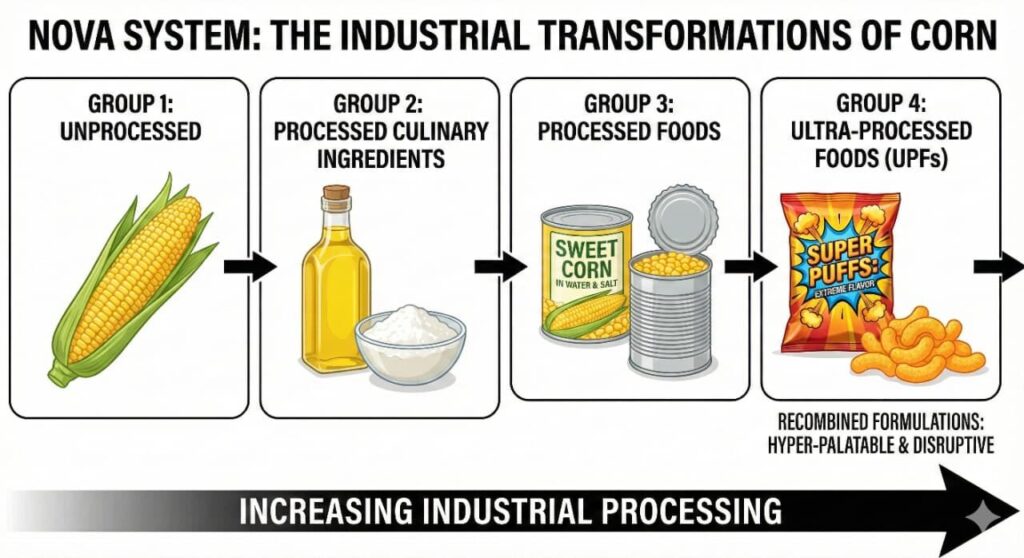
Position of UPFs within NOVA: The Industrial Signature
UPFs occupy the final tier of the NOVA system. Unlike Group 3 “Processed Foods,” which are essentially preserved versions of whole foods, UPFs are recombined formulations. Their primary goal is to create products that are:
- Hyper-palatable: Engineered to hit bliss points through precise salt-sugar-fat ratios.
- Shelf-stable: Designed for long-distance transport and extended room-temperature storage.
- Disruptive: They are designed to displace all other food groups, often marketed as “ready-to-consume” replacements for home-cooked meals.
Examples for Conceptual Clarity
To distinguish between the tiers, consider the transformation of Corn:
- Group 1: Fresh corn on the cob (Unprocessed).
- Group 2: Corn oil/ Corn starch.
- Group 3: Canned corn kernels in water and salt (Processed).
- Group 4: Extruded corn puffs/chips with added emulsifiers, synthetic flavors, and colorants (Ultra-processed).
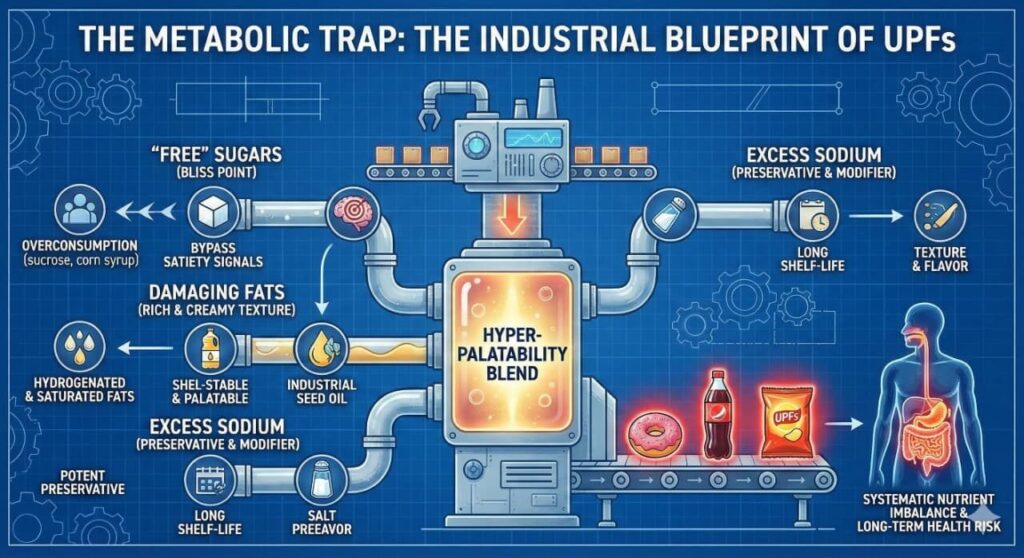
The Hidden Architecture of Ultra-Processed Foods
Ultra-Processed Foods (UPFs) are not just “fast food” they are metabolic traps. Their composition is a deliberate industrial blueprint, meticulously crafted to maximize profit and shelf-life, often at the direct expense of your long-term health. This manufacturing process creates a systematic, dangerous nutrient imbalance:
Loaded with Unhealthy Components (The “Hyper-Palatability” Blend):
“Free” Sugars: A cocktail of sweeteners (sucrose, corn syrup, dextrose) is deployed to hit the “bliss point”—the scientifically calculated concentration that bypasses satiety signals and drives overconsumption.
Damaging Fats: Industrial seed oils (soybean, palm) are often chemically altered through hydrogenation to create shelf-stable, semi-solid fats (saturated and trans fats) that feel rich and creamy on the palate.
Excess Sodium: Beyond just flavor, salt serves as a potent, low-cost preservative and a crucial texture modifier, leading to startlingly high sodium levels.
Stripped of Protective Elements (The Nutritional Void):
Dietary Fiber: Systematically eliminated during harsh refining processes. This removal extends shelf life and creates the sought-after “smooth” mouthfeel, but it sabotages gut health and blood sugar control.
Micronutrient Loss: Essential vitamins, minerals, and bioactive phytochemicals ,the very components that protect your cells ,are often destroyed or severely reduced by the intense heat and high-pressure techniques (like extrusion) used in UPF manufacturing.
The Dark Side of “Cosmetic” Additives

The telltale sign of an Ultra-Processed Food (UPF) is the ingredient list ; a chemical cocktail never found in a home kitchen. These substances aren’t just for preservation; they are engineered to mimic the sensory pleasure of real food or, worse, to disguise the unpleasant industrial base:
Emulsifiers (e.g., Lecithin, Polysorbates): These agents create that irresistibly creamy texture, but new evidence ties them directly to gut dysbiosis ; an imbalance in your crucial microbiome.
Flavor Enhancers (e.g., MSG, Yeast Extract): Forget simple taste; these are chemical drivers of “hyper-palatability,” overriding your body’s natural satiety cues and pushing you toward compulsive consumption.
Artificial Sweeteners & Colorants: The illusion of health or vibrancy. They maintain a high “sensory appeal,” often reducing the sugar count on paper while replacing expensive natural ingredients with cheaper chemical stand-ins.
The “Matrix Effect”: When Structure Trumps Nutrients
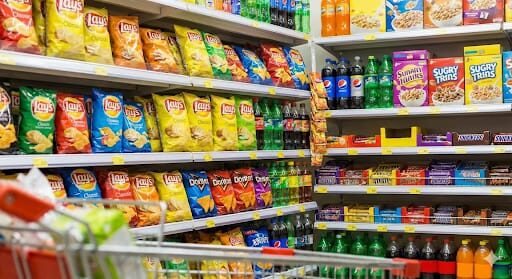
The most insidious harm of UPFs lies in the destruction of the food matrix. In natural foods, nutrients are protected within a complex architecture ; the scaffolding of fiber and cell walls. Ultra-processing, through violent mechanical fractionation and extrusion, utterly obliterates this design.
This structural collapse is not benign; it fundamentally alters your physiology:
The Accelerator Effect: Without the natural “fiber brakes,” UPFs turn instantly into a semi-liquid slurry. They bypass normal digestion speed, causing accelerated gastric emptying into the small intestine.
The Satiety Short-Circuit: This rapid transit confuses your hormones. It leads to a dampened GLP-1 (the critical “stop-eating” hormone) response and a failure to properly silence Ghrelin (the persistent “I’m hungry” hormone).
The Glucose Tsunami: The absence of a physical barrier means digestive enzymes access starch near-instantaneously. The result is a dangerous “glucose spike” that overwhelms the body’s delicate homeostatic mechanisms.
Examples for Clarity
| Product Category | The Industrial Signature |
| Soft & Energy Drinks | Water, sugar/sweeteners, and a cocktail of acids and colorants. |
| Instant Noodles | Refined flour deep-fried in palm oil with high-sodium flavor packets. |
| Packaged Biscuits/Chips | Reconstituted starches, emulsifiers, and synthetic flavorings. |
| Sugary Cereals | Extruded grains coated in sugar and synthetic vitamins (fortification). |
| Reconstituted Meats | “Pink slime” or meat slurries bound with starches, nitrates, and gums. |
| Frozen Ready Meals | Pre-cooked formulations with stabilizers to survive the freeze-thaw cycle. |
Biological Mechanisms Linking Ultra-Processed Foods to Disease
The pathology of UPFs extends beyond mere caloric excess. These products act as “metabolic disruptors” that bypass evolutionary satiety mechanisms and trigger systemic dysfunction.
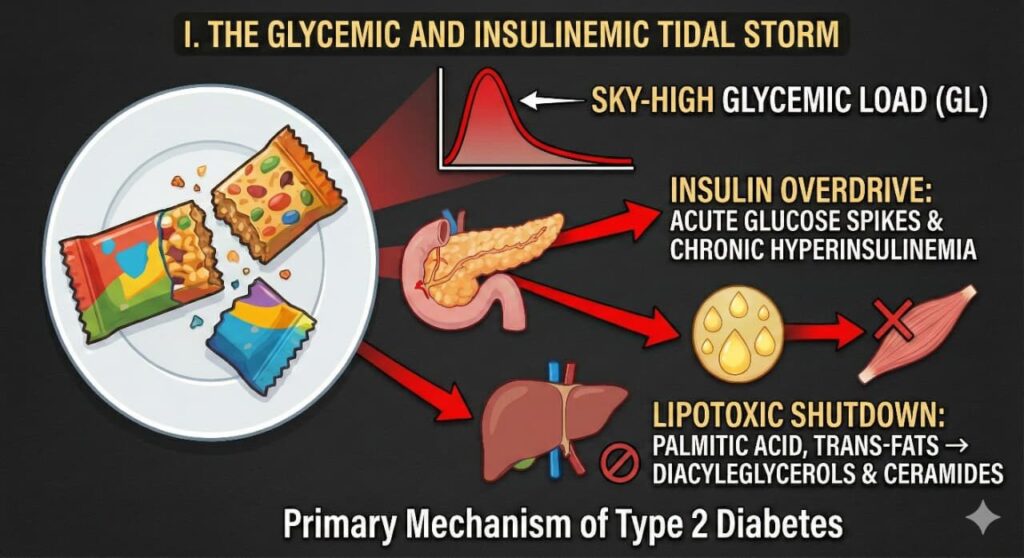
- The Glycemic and Insulinemic Tidal storm
When the food matrix in UPFs is obliterated, it unleashes a sky-high Glycemic Load (GL).
Insulin Overdrive: Quick-fire carb absorption sends blood sugar levels rocketing, triggering acute post-meal glucose spikes. This relentless cycle forces the body into chronic hyperinsulinemia, essentially wearing out and shutting down insulin receptors.
Lipotoxic Shutdown: UPFs are saturated with culprits like palmitic acid and trans-fats. When you overload your system, these lipid byproducts (diacylglycerols and ceramides) flood critical areas like the liver and muscle, directly slamming the door on peripheral insulin sensitivity, this being the primary mechanism of type 2 diabetes.
II. Gut Microbiota Disruption and Permeability
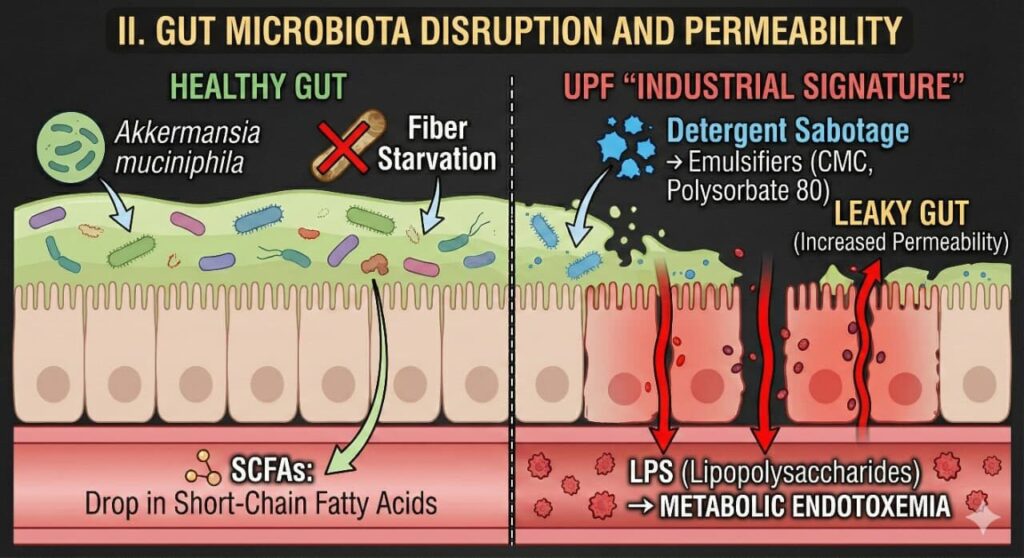
Your gut is the ultimate firewall, but the “Industrial Signature” of Ultra-Processed Foods (UPFs) launches a two-pronged attack:
The Famine for the Good Guys (Fiber Starvation): UPFs strip out essential acellular fiber, essentially starving your beneficial bacteria, like the powerhouse Akkermansia muciniphila. Result? A drastic drop in Short-Chain Fatty Acids (SCFAs). SCFAs are crucial for maintaining the colonic mucosal barrier and regulating systemic inflammation.
The Detergent Sabotage (The Emulsifier Effect): Common additives like Carboxymethylcellulose (CMC) and Polysorbate 80 act like miniature detergents, dissolving the crucial protective mucus layer in your gut. This leads to “Leaky Gut” (increased intestinal permeability), allowing bacterial toxins (Lipopolysaccharides or LPS) to flood your bloodstream and ignite metabolic endotoxemia.
III. The Silent Inferno: Chronic Low-Grade Inflammation
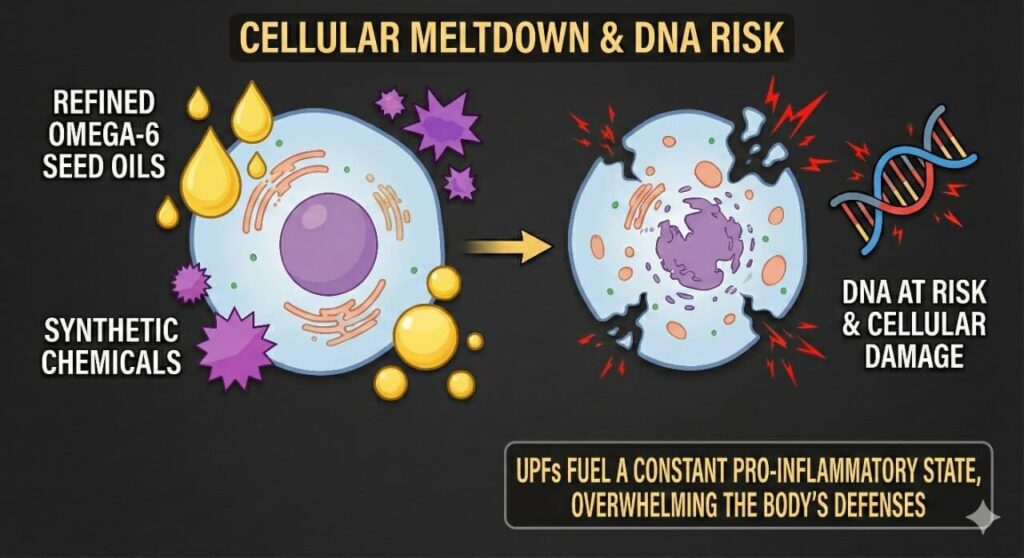
UPFs don’t just pass through; they leave a trail of fire, fueling a constant pro-inflammatory state:
- The AGEs Time Bomb: Industrial high-heat processes (like extrusion) create Advanced Glycation End-products (AGEs). These molecular villains hijack RAGE receptors, sending your cells into oxidative stress overdrive and unleashing an arsenal of inflammatory cytokines (IL-6, TNF-α).
- Cellular Meltdown (Oxidative Stress): Overloads of refined omega-6 seed oils and synthetic chemicals overwhelm your body’s natural defenses, causing cellular damage and putting your very DNA at risk.
IV. Neurobiological Overconsumption
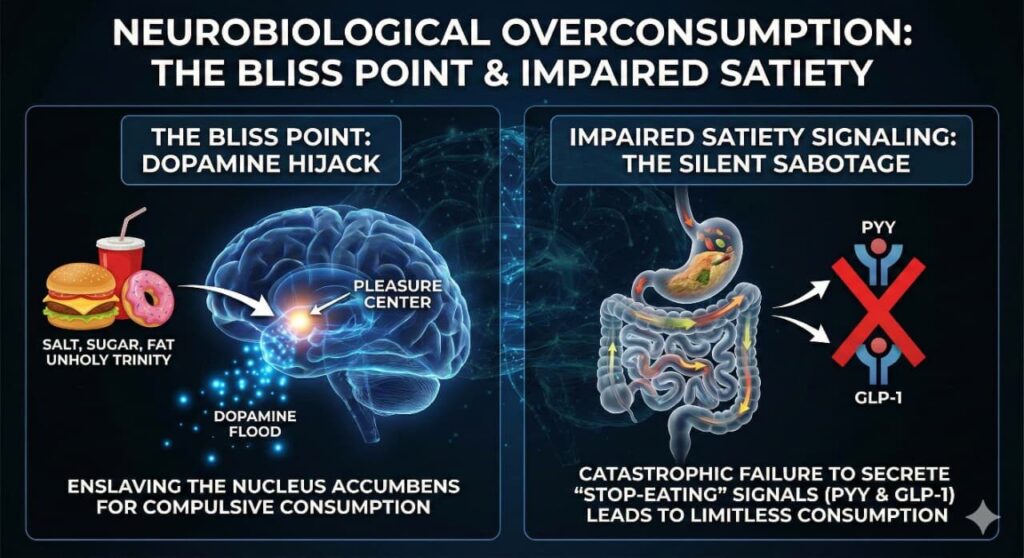
UPFs are meticulously engineered for hyper-palatability, a calculated assault on the senses designed to hit the infamous “Bliss Point” ; the unholy trinity of salt, sugar, and fat that unleashes a torrent of dopamine, effectively enslaving the nucleus accumbens, the brain’s pleasure center.
Impaired Satiety Signaling: The Silent Sabotage: As a consequence of the “Matrix Effect,” the rapid, almost instantaneous transit of these fabricated foods races past the gut’s internal sentinels. This prevents the distal small intestine from ever registering the nutrients, resulting in a catastrophic failure to secrete the critical hormones PYY and GLP-1. The body’s crucial “stop-eating” signal is not just suppressed; it is utterly silenced, leaving the gates wide open for limitless consumption.
V. Additive-Specific Metabolic Toxicity
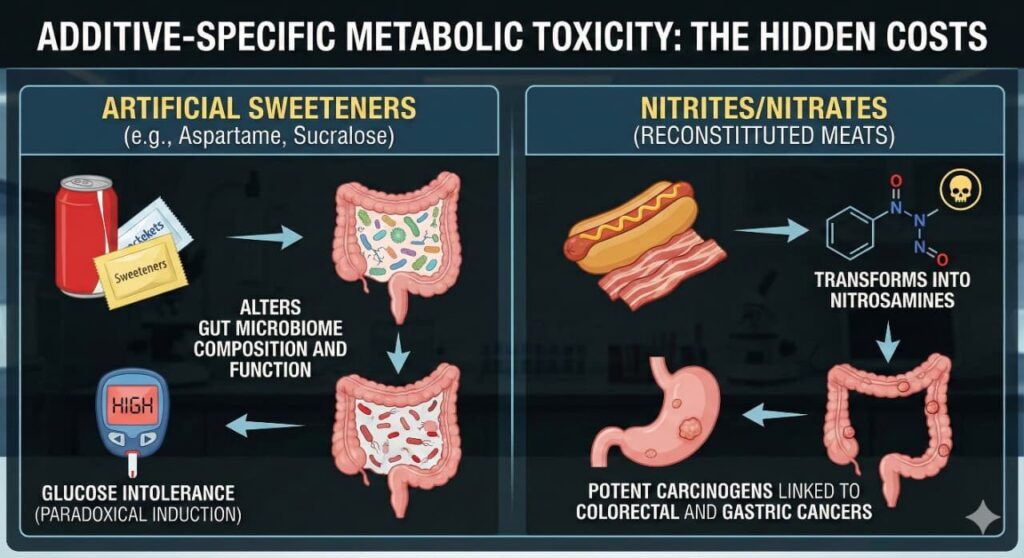
Emerging evidence suggests that “non-caloric” additives have metabolic costs:
- Artificial Sweeteners (e.g., Aspartame, Sucralose): May paradoxically induce glucose intolerance by altering the gut microbiome’s composition and function.
- Nitrites/Nitrates: Common in reconstituted meats, these can transform into nitrosamineswhich are potent carcinogens linked to colorectal and gastric cancers.
Health Outcomes Associated with Ultra-Processed Food Consumption
The physiological devastation brought by Ultra-Processed Foods (UPFs) manifests as a terrifying spectrum of chronic diseases. Landmark, large-scale studies like the NutriNet-Santé and the UK Biobank deliver irrefutable proof: the “Ultra-Processed” diet is the undisputed ringleader of global illness.The Obesity Epidemic: Fueled by UPFs
UPFs are not just a contributor; they are the primary engine of the worldwide obesity crisis. Their potent combination of sky-high energy density and virtually zero structural fiber triggers a phenomenon called “passive overconsumption” where you consume a shocking surplus of calories long before your body’s satiety brakes can even engage.
The Danger Zone: UPF consumption is specifically correlated with a surge in visceral fat, the deep, metabolically aggressive, and most lethal form of body fat.
The Metabolic Avalanche: High intake is a powerful predictor of the Metabolic Syndrome, a dangerous cocktail of conditions including high blood pressure, crippling dyslipidemia (bad fats/low good fats), and relentlessly elevated blood sugar.
The Silent Saboteur: Ultra-Processed Foods and Type 2 Diabetes Mellitus (T2DM)
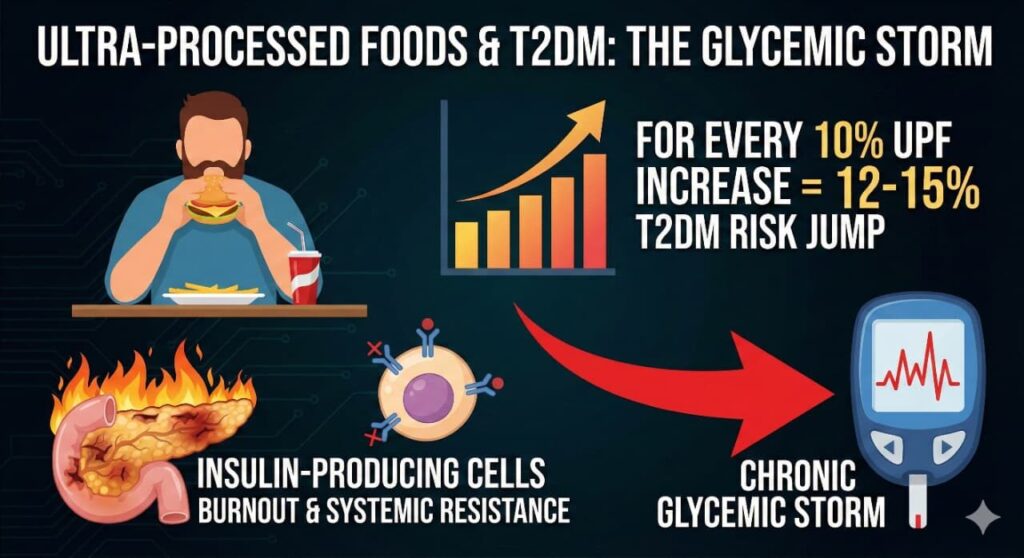
The Dose of Danger: This isn’t a trickle, it’s a flood. For every 10% more of these industrialized foods in your diet, your risk of developing T2DM jumps by a frightening 12-15%. Why? They trigger a chronic, debilitating “Glycemic Storm” mentioned earlier that eventually burns out your insulin-producing cells and locks in systemic insulin resistance.Cardiovascular Diseases (CVD)
These foods are a direct hit to your heart and brain. Loaded with high sodium and industrial trans-fats/emulsifiers, UPFs fuel:
Coronary Heart Disease: They’re stoking a fire! Increased systemic inflammation (visible through high C-reactive protein) drives rapid, aggressive atherosclerosis.
Cerebrovascular Risk: A landmark warning from the Framingham Offspring Study confirms it: a high UPF habit dramatically spikes your odds of suffering a stroke and sudden cardiac death.
Cancer Risk
The manufacturing process itself is linked to oncogenesis, a truly concerning development:
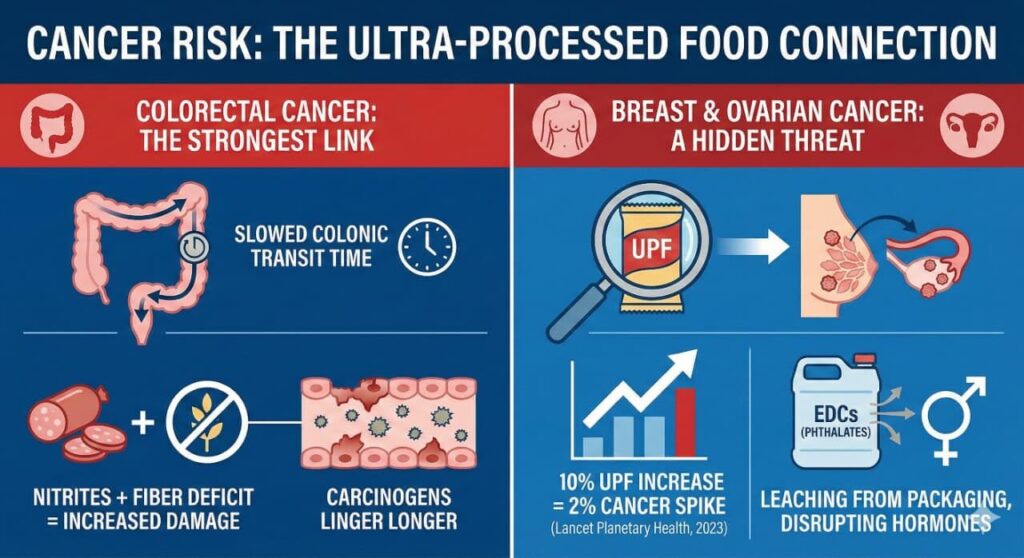
Colorectal Cancer: The Strongest Link. This is where the damage is most pronounced, and the mechanism is alarmingly clear. The combination of nitrites in reconstituted meats and a dangerous deficit of dietary fiber slows down “colonic transit time.” This means that potent carcinogens linger longer, causing significantly more damage to the colon lining.
Breast and Ovarian Cancer: A Hidden Threat. Groundbreaking research published in The Lancet Planetary Health (2023) has revealed a chilling statistic: for every 10% increase in Ultra-Processed Food (UPF) consumption, there is a measurable 2% spike in overall cancer incidence. This risk is acutely focused on female-specific cancers. The suspected culprit is not the food itself, but what comes with it: Endocrine-Disrupting Chemicals (EDCs) like phthalates, which leach out of the plastic packaging directly into the food.
Mental Health and Cognitive Decline
The insidious impact of Ultra-Processed Foods (UPFs) extends straight to your brain via the Gut-Brain Axis:
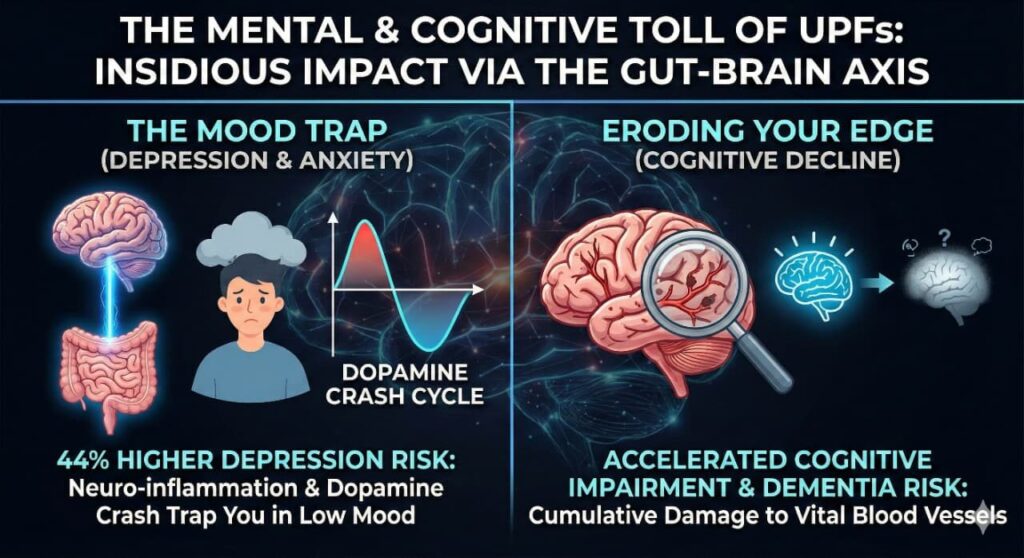
The Mood Trap (Depression & Anxiety): Diets rich in UPFs carry a staggering 44% higher risk of depression. Think of this as a double-whammy: it’s not just the neuro-inflammation fueled by an unbalanced gut, but also the inevitable “dopamine crash” that follows the fleeting rush of these hyper-palatable foods, trapping you in a cycle of low mood.
Eroding Your Edge (Cognitive Decline): The damage isn’t just immediate, it’s long-term. Consistent UPF consumption accelerates cognitive impairment and significantly elevates the risk of dementia. This insidious process may be linked to subtle, cumulative damage inflicted upon the brain’s tiniest, most vital blood vessels.
Epidemiological Evidence
The case against Ultra-Processed Foods (UPFs) is no longer a theoretical debate about “unhealthy habits”; it is a massive, quantifiable public health crisis documented by tracking millions of people over decades. Global studies from diverse regionslike France’s NutriNet-Santé, the UK Biobank, and Italy’s Moli-sani cohortsall arrive at the same alarming conclusion: the more UPFs you eat, the higher your risk of illness. In fact, large analyses demonstrate a stark linear progression: for every 10% more UPFs in your diet, the risk of dying from any cause jumps by about 15%. This danger remains consistent whether you live in a high-income Western country or a fast-developing nation in Latin America or Southeast Asia, proving that UPFs override the protective power of traditional diets.
The data reveals that there is no safe amount of UPF consumption; the risk simply increases steadily the more you consume. This hazard is most evident at a critical “tipping point,” as people consuming more than four servings daily face a dramatically higher risk of cardiovascular events compared to those eating less than two. Crucially, the situation is reversible: simply replacing just 10% of those UPFs with the same number of calories from minimally processed foods is associated with a significant drop in the risk of serious illnesses, including various cancers and metabolic disorders.
Age-Specific Impacts: A Generational Crisis
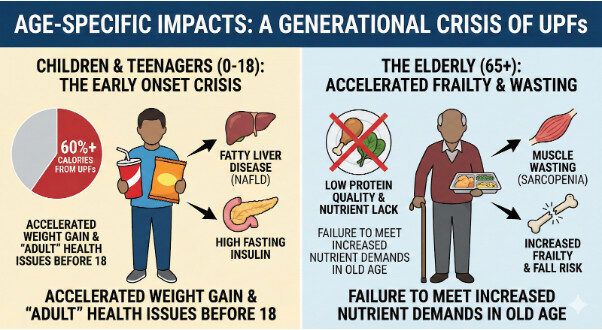
The impact of UPFs is most profound at the polar ends of the lifespan, with particularly alarming trends in the youth, creating a generational crisis. For children and teenagers, who often get more than 60% of their total calories from these products, early exposure is fueling accelerated weight gain and causing “adult” health issues like high fasting insulin and fatty liver disease to appear before the age of 18. Meanwhile, for the elderly, a high UPF intake is a major contributor to muscle wasting and frailty because the low protein quality and sheer lack of essential nutrients fail to meet the body’s increasing demands in old age.
Strength and Limitations of Evidence
The strength of the evidence is notable due to the sheer scale of the cohorts, often involving hundreds of thousands of participants, and the consistency of the findings across different populations. This provides a high degree of confidence in the observed associations between ultra-processed foods and health outcomes.
The primary limitation is that most evidence is observational. While researchers make efforts to control for common confounding variables such as smoking, income, and exercise, the possibility of “residual confounding” always remains. On top of that, the reliance on Food Frequency Questionnaires (FFQs) can introduce recall bias, though modern studies are increasingly addressing this by using objective biomarkers to validate reported intake.
Ultra-Processed Foods in the Indian Context
India is currently at the epicenter of a rapid “Nutrition Transition.” Historically characterized by diets rich in whole grains, legumes, and fresh produce, the Indian plate is being systematically replaced by industrial formulations. This shift is not merely a change in taste but a structural transformation of the food environment.
The Rapid Rise of Industrial Formulations
Over the last two decades, the Indian market has seen an unprecedented surge in the availability and marketing of UPFs.
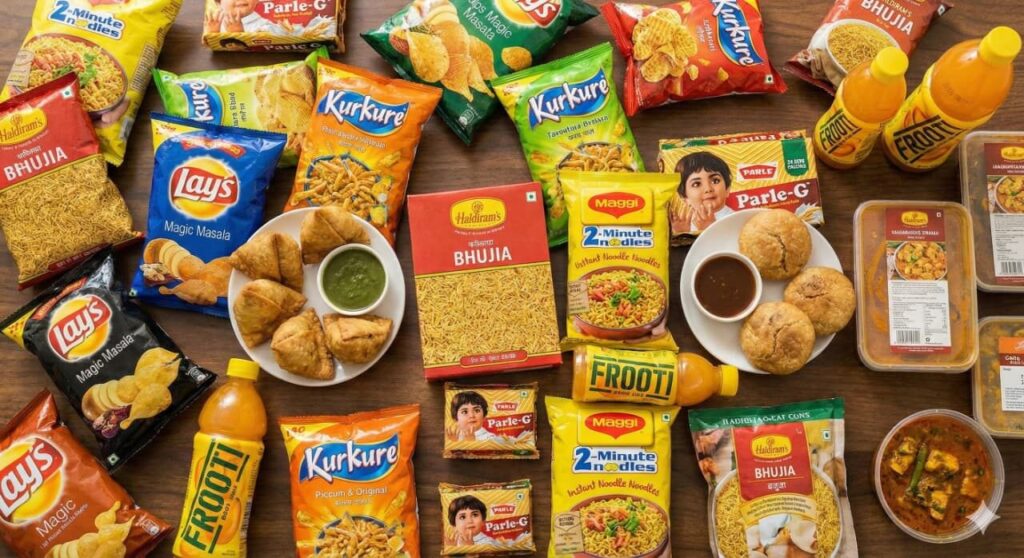
Packaged snacks and biscuits have become the “default” convenience foods across all socio-economic strata, often marketed as “healthy” through the addition of synthetic vitamins (fortification). The consumption of sugary beverages, including carbonated soft drinks and “fruit juices” (which often contain less than 10% actual fruit), has penetrated even the most remote corners of the country. Instant foods, such as instant noodles and “ready-to-eat” heat-and-serve meals, have seen a 400% growth in retail value, driven by an urbanizing workforce seeking time-efficient calories.
The Double Burden of Malnutrition
The most critical public health challenge in India is the “Double Burden.” Within the same household or even the same individual, we observe the coexistence of undernutrition (stunting/anemia) and overnutrition (obesity/T2DM).
The Paradox of Ultra-Processed Foods (UPFs): They offer “cheap calories” but “zero nutrition.” Imagine a child overweight from a high-UPF diet yet starving at a cellular level, suffering from severe micronutrient deficiencies. This is the reality of hidden hunger.
Unique Metabolic Vulnerability: South Asians possess the distinctive “Skinny-Fat Indian” phenotype. This means higher visceral fat and insulin resistance occur at lower Body Mass Indices (BMIs) compared to Westerners. This singular trait dramatically amplifies the Indian population’s susceptibility to the harmful, inflammatory impact of UPFs.
Urban–rural Dynamics and Vulnerable Populations
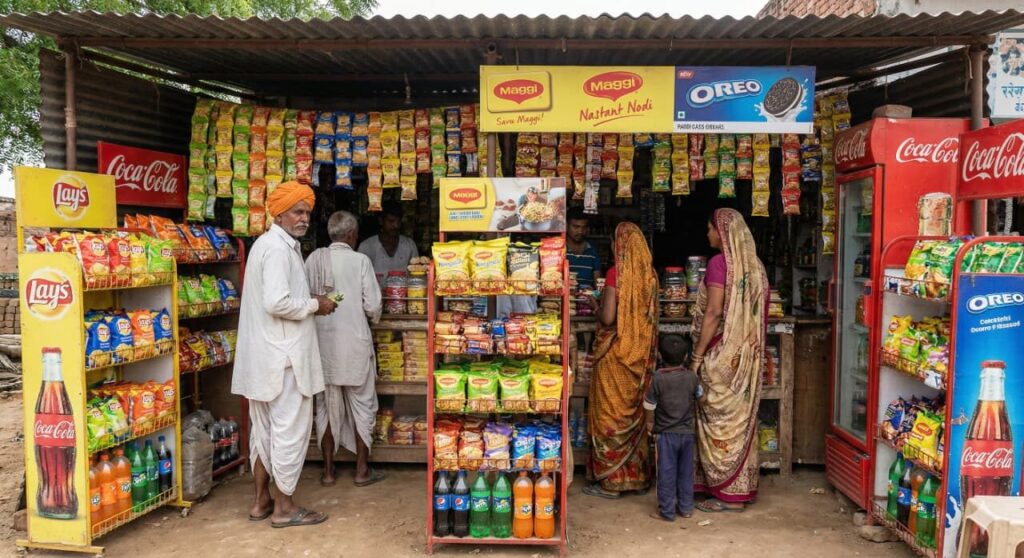
While the transition began in Tier-1 cities, the “UPF frontier” has shifted. The quiet infiltration of Ultra-Processed Foods (UPFs) into rural life is driven by improved supply chains and “sachet marketing”, small, affordable packets that often make UPFs more accessible than fresh milk or fruit. This affordability disproportionately affects low-income groups, for whom UPFs are the “rational” choice. They are cheaper, last longer, and require no cooking fuel, making them a necessity for the urban poor, despite the severe long-term metabolic costs.
Socio-Economic and Behavioural Determinants
The ubiquity of UPFs is not a result of a sudden, collective failure of willpower, but rather the logical outcome of a food environment designed to prioritize efficiency, shelf-stability, and profit. These determinants create a “structural trap” that makes UPF consumption the path of least resistance.
The Cost and Accessibility Paradox
Ultra-processed foods (UPFs) have become the champions of the modern economy, representing the most “affordable” calories available. This affordability, however, masks a profound societal issue.
The value gap is driven by massive industrial scaling and generous government subsidies for monocrops like corn, soy, and sugar. This systemic support makes UPFs fundamentally cheaper than natural, fresh produce. For example, a single calorie from a packaged biscuit in India costs significantly less than a calorie derived from a seasonal fruit or vegetable, skewing consumer choice toward less nutritious options.
On top of that, UPFs are engineered for logistical dominance. They are “designed for the shelf,” possessing long-term stability at room temperature that fresh food simply lacks. This resilience allows them to penetrate “food deserts” which are essentially areas that do not have the infrastructure for storing or distributing perishable goods. As a result, UPFs often become the primary, or even the sole, available food source in both remote rural villages and dense urban slums.
Precision Marketing and the “Health Halo”
Industrial food corporations are masters of psychological manipulation, expertly crafting products that deliberately sever the connection between food and its biological impact.
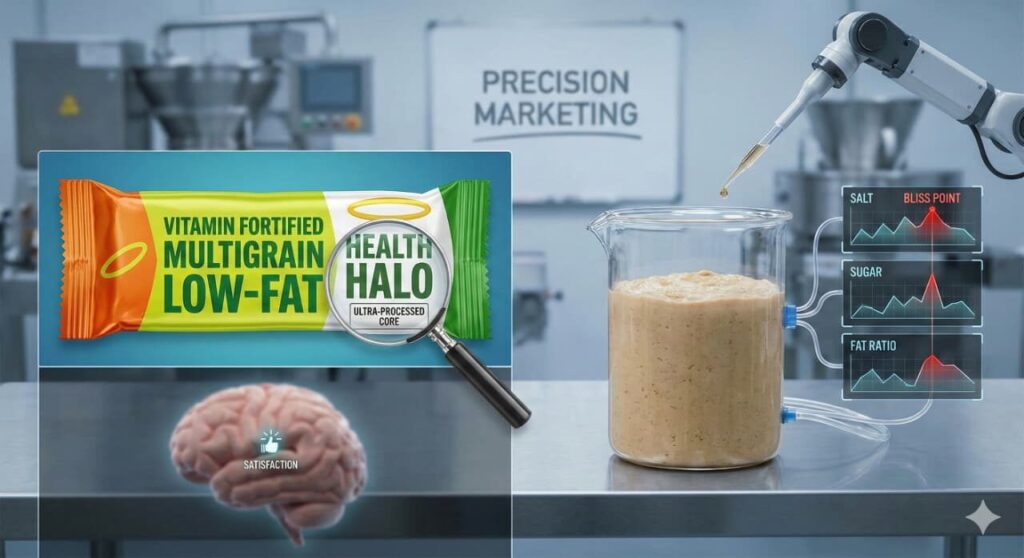
One of their key tools is the Bliss Point that we already discussed. Through sophisticated “chemosensory engineering,” food scientists precisely calculate the perfect, addictive ratio of salt, sugar, and fat. This formula is designed to overwhelm your body’s natural satiety signals, making it nearly impossible to stop eating.
On top of that, hese corporations employ “Health Halos” on their deceptive packaging. You’ll see claims like “fortified with 12 vitamins,” “multigrain,” or “low-fat.” These labels cleverly redirect your focus to a few added micronutrients, distracting you entirely from the fundamentally harmful, ultra-processed core of the food itself.
Time Constraints and the “Convenience” Trap
Modern life has turned time into a precious commodity, fundamentally changing what we choose to eat. This shift is deeply rooted in modern labor patterns. As India has moved from an agricultural society to one dominated by industrial and service-based work, the result is longer commutes and significantly less time for the traditional, often labor-intensive, process of cooking at home.

This scarcity of time creates a default preference for “ready-to-consume” options. UPFs provide a solution that requires zero effort to satisfy hunger. For the time-poor worker, the immediate, overwhelming convenience of a pre-packaged meal inevitably trumps the distant concern of its long-term metabolic cost.
Cultural Shifts and the Erosion of Culinary Traditions
The “Nutrition Transition” is fundamentally eroding our culinary heritage. A profound loss of culinary sovereignty is underway as traditional eating patterns are abandoned for the convenience of UPFs.
This shift is most evident in the normalization of snacking. In countries like India, where eating was once limited to discrete, structured meals, the habit is being replaced by continuous “glazing” on UPFs. Packaged snacks are no longer seen as occasional indulgences; they have become ingrained staples of the daily diet. On top of that, this change is fueled by aspirational consumption. In many developing economies, Westernized UPF brands are powerfully marketed as symbols of modernity and status. This societal push encourages people to abandon their diverse, nutrient-dense traditional foods such as millets and local greens in favor of standardized, industrial products, sacrificing nutritional value for a perceived modern identity.
Public Health Implications: The Macro-Scale Crisis
The proliferation of UPFs is not merely an individual dietary choice; it is a structural public health crisis with the potential to bankrupt healthcare systems and permanently alter the biological trajectory of the Indian population.
I. The Economic Burden on Healthcare
The aggressive rise of Ultra-Processed Foods (UPFs) is the direct cause behind the skyrocketing prevalence of Non-Communicable Diseases (NCDs), which now tragically account for over 60% of all deaths in India.
Direct Costs
The sheer financial burden of managing chronic conditions such as Type 2 Diabetes and Cardiovascular Disease demanding lifelong medication, extensive dialysis, and complex surgical interventions is overwhelming both the public and private healthcare systems.
Indirect Costs
Beyond healthcare expenses, the loss of national productivity due to premature disability and mortality significantly brakes economic growth. A particularly concerning factor in India is the “skinny-fat” metabolic vulnerability, which means these substantial costs are being incurred at a much younger age compared to Western nations, compounding the national economic challenge.
II. The Accessibility-Poverty Trap
The dominance of Ultra-Processed Foods (UPFs) is fueled by three powerful systemic forces that shape modern consumption habits.
The “Value” Paradox: UPFs are a masterpiece of engineering, designed to be incredibly cheap and shelf-stable. This is a stark reality in economies struggling with high food inflation and inadequate cold-storage. For a low-income family, choosing a packaged biscuit or an instant noodle cup is often the most “rational” financial decision when compared to the highly perishable and often more expensive fresh produce. It’s an affordability trap.
Aggressive Marketing: The industrial food giants employ sophisticated psychological warfare. They use celebrity endorsements and deploy strategic “health halos” (like “fortified with vitamins”) to brilliantly mask the fundamental lack of true nutritional value. They don’t just sell food; they sell a carefully constructed narrative.
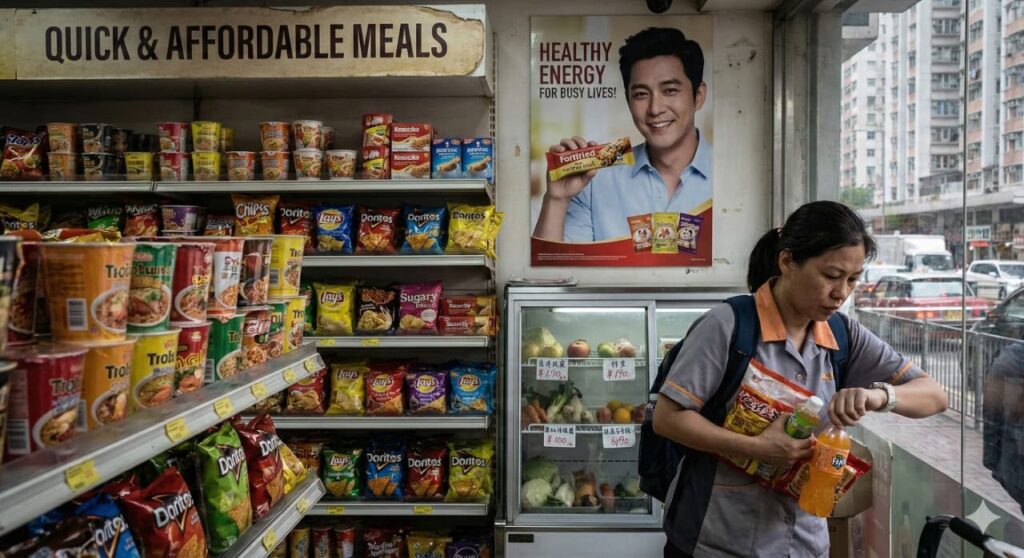
Urbanization & Time Poverty: As massive rural populations shift into dense urban centers, a new constraint emerges: time. The luxury of traditional meal preparation vanishes, making “ready-to-consume” UPFs the simple, default fuel powering the demanding schedule of the urban workforce. Convenience trumps all.
III. Intergenerational Consequences
The most unsettling consequence of the Ultra-Processed Food (UPF) crisis is its transgenerational effect.
1. Biological Inheritance (Epigenetic Programming):
A pregnant mother’s consistent consumption of a high-UPF diet can biologically “program” the unborn child. This process, known as epigenetic programming, predisposes the offspring to metabolic disorders like obesity and insulin resistance, irrespective of the diet they adopt later in life.

2. Behavioral Perpetuation (The Sensory Trap):
Children who are accustomed to the hyper-palatability of industrial foods develop a specific aversion to less intensely flavored, natural, and minimally processed foods. This conditioned preference creates a self-perpetuating cycle where poor dietary habits are passed down and reinforced across generations.
Policy Measures and Preventive Strategies
To mitigate the systemic impact of UPFs, public health interventions must move beyond individual “lifestyle coaching” toward robust, state-led structural changes. Effective strategies target the availability, affordability, and social acceptance of industrial formulations.
I. Food Labeling Regulations
Traditional back-of-pack nutrient tables are often too complex for the average consumer to interpret quickly.
Front-of-Pack Labeling (FOPL): Implementing high-visibility warning labels, such as the powerful black octagons used in Chile or Mexico, that clearly state warnings like “High in Sugar” or “Ultra-processed” significantly cuts through the misleading “health halo” surrounding industrial food products.
The “Nova” Integration: Labeling must explicitly identify Group 4 (Ultra-processed) foods. This crucial shift moves the focus from the confusing task of “counting calories” to the empowering act of “identifying industrial markers,” enabling consumers to make genuinely informed choices right at the point of sale.
Economic incentives are the most effective tools for altering consumption patterns at scale.
UPF Taxation: Implementing a “Health Tax” on sugar-sweetened beverages and hyper-palatable snacks drastically increases their price relative to whole, unprocessed foods. This strategic price hike makes the unhealthy option less appealing. Evidence from successful programs, such as Mexico’s sustained decline in soda consumption following its tax, demonstrates that this measure is particularly effective among the most vulnerable populations.
Subsidizing the “Good”: To ensure that healthy choices are also the most affordable, revenue generated from UPF taxes must be immediately redirected to subsidize minimally processed staples. This includes essential items like pulses, millets, and fresh vegetables, making the nutritional choice the easiest and most accessible for all consumers.
III. Restrictions on Marketing
The ultra-processed food (UPF) industry masterfully employs psychological “nudging,” with a deliberate and heavy focus on capturing younger demographics. This psychological warfare must be countered with decisive regulatory action.
To protect the most vulnerable, mandatory bans on all marketing of UPFs to minors are essential to break the cycle of early-life addiction. This includes eliminating the use of manipulative tools like cartoon characters, celebrity endorsements, and digital “advergames” that make addiction seem playful.
Furthermore, we must establish legally enforced “UPF-Free Zones” within and around all educational institutions. This critical measure prevents the insidious normalization of industrial snacking and poor nutritional habits from taking root during childhood.
IV. Promotion of Minimally Processed Foods
Public Procurement
Integrating whole foods (Group 1) into government programs like India’s Mid-Day Meal Scheme or the Public Distribution System (PDS) provides a massive, stable market for local farmers. This dual benefit simultaneously improves population nutrition while supporting the agricultural economy.
Educational Campaigns
To truly shift dietary habits, the focus must move from the negativity of “restrictive dieting” to the empowerment of “culinary sovereignty.” This narrative encourages a desirable return to home-prepared meals, which naturally champions the use of Group 1 (whole food) and Group 2 (culinary ingredient) models.
Criticisms and Controversies
A robust scientific inquiry must acknowledge the counter-arguments and structural weaknesses in current UPF research. While the evidence of harm is substantial, several points of contention remain at the forefront of the academic debate.
Limitations of the NOVA Classification
Critics, particularly those rooted in food science and technology, often label the NOVA system as fundamentally reductionist, arguing it oversimplifies complex food processes.
One key issue is the Technological Ambiguity within the classification. NOVA frequently judges a food based on the intent of the processing rather than the beneficial result. For instance, industrial techniques like high-pressure processing (HPP) or vacuum-sealing are categorized as “industrial” but are essential for enhancing food safety and retaining nutrients, often without the use of cosmetic additives.
On top of that, the system suffers from the “Ingredients Count” Fallacy. Consider a commercial whole-wheat bread: it might be arbitrarily designated “Ultra-Processed” solely because of a single emulsifier used to guarantee extended freshness. Meanwhile, a homemade cake which is often packed with refined sugar and saturated butter is merely classified as “Processed” (Group 3). This creates a significant logical gap, incorrectly suggesting that “unprocessed” automatically equates to “healthier.”
Heterogeneity within the UPF Category
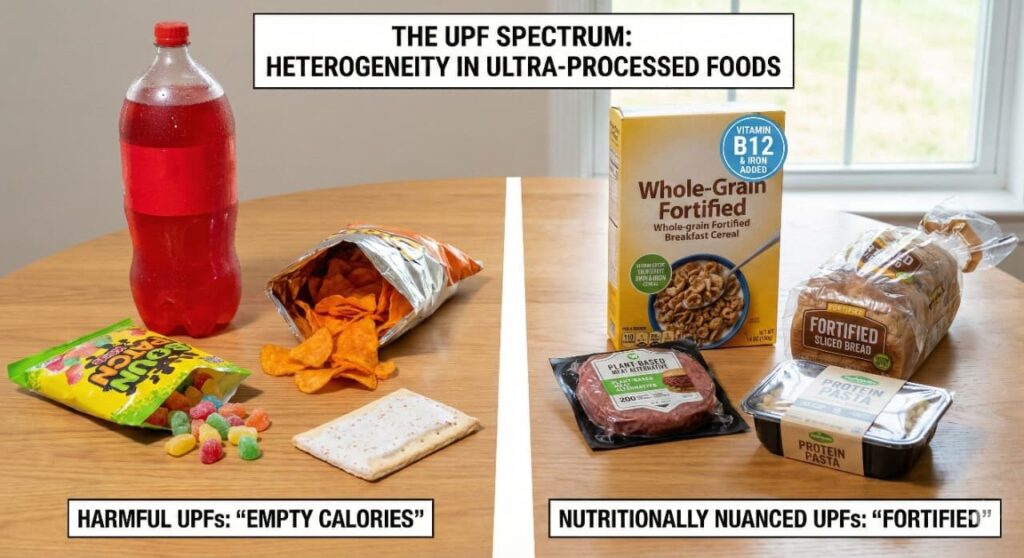
One of the most significant criticisms leveled against the NOVA classification system is its tendency to treat all Group 4 foods—Ultra-Processed Foods (UPFs)—as a monolith. This broad-brush approach fails to account for the crucial differences in how these foods impact the human body.
Current research strongly indicates a vast and crucial Harm Spectrum within this category. For instance, the metabolic impact of a liquid, zero-fiber, sugar-sweetened soda is demonstrably different from that of a mass-produced, fortified whole-grain cereal or a sophisticated plant-based meat alternative.
On top of that, the system often overlooks the Nutritional Nuance of some UPFs. These products can play a key role in providing essential nutrients like iron, folic acid, and Vitamin B12 to vulnerable populations. Grouping these fortified foods with “empty calorie” snacks, such as candy, risks obscuring their potential benefit in the prevention of specific micronutrient deficiencies.
Confounding Variables in Epidemiological Studies
While many longitudinal studies reveal strong links between ultra-processed food (UPF) intake and poor health outcomes, it is crucial to remember a fundamental truth: correlation is not causation. The observed association might not be due to the processing itself, but rather a complex web of connected factors.
One major issue is Socioeconomic Status (SES). High consumption of UPFs often acts as a stand-in, or proxy, for lower SES. Lower socioeconomic status is independently and strongly tied to increased stress, more sedentary lifestyles, poorer sleep quality, and limited access to essential healthcare. These factors, not just the food, are powerful drivers of disease.
Another challenge is the “Healthy Eater” Bias. People who actively avoid UPFs rarely stop there; they typically engage in a whole cluster of other health-seeking behaviors, such as exercising regularly and never smoking. Even with careful statistical adjustments, this creates a situation of residual confounding, making it incredibly difficult to surgically isolate the pure “processing effect” of the food from the combined “lifestyle effect” of the person eating it.
The Need for Stronger Causal Evidence
The overwhelming majority of data on ultra-processed foods (UPFs) comes from observational studies, which can only show correlation, not causation.
The scientific community faces a major hurdle because Randomized Controlled Trials (RCTs) the “gold standard” of evidence are extremely difficult to conduct for dietary patterns over long periods. Ethical concerns and the inevitable problem of “compliance drift” make these essential long-term studies nearly impossible.
Despite this, the 2019 NIH study, spearheaded by Kevin Hall, offered a critical caveat: it definitively proved that UPFs drive overconsumption in the short term (just 2 weeks). However, the crucial piece missing is definitive, long-term clinical trials in humans. We still lack concrete evidence demonstrating the specific biological mechanisms by which additives, such as emulsifiers or gums, affect the human body, as most mechanistic data currently relies on in vitro or animal models.
Future Research Directions
As the scientific community moves from identifying associations to establishing causality, research must shift toward isolating the specific mechanisms of ultra-processing. The future of food science lies in determining whether a “safe” level of industrial processing exists or if the industrial model itself is fundamentally incompatible with human health.
I. The Necessity for Long-term Randomized Controlled Trials (RCTs)
While Kevin Hall’s 2019 study provided a “proof of concept” for overconsumption, the field requires longer-term interventions.
- Causal Pathways: Future RCTs must distinguish between the effects of nutrient density and the physical structure (matrix) of the food.
- Metabolic Cross-over Studies: Researchers need to examine how switching from a UPF-dominant diet to a whole-food diet affects biomarkers of inflammation (CRP, IL-6) and gut permeability in real-time.
II. Additive-Specific and Synergistic Research
Current safety assessments often evaluate additives in isolation. We lack data on the “cocktail effect” of consuming multiple industrial substances simultaneously.
- Emulsifiers and the Mucome: Research must focus on how specific emulsifiers (e.g., Carboxymethylcellulose, Polysorbate 80) interact with the human gut mucus layer and the microbiome.
- Neurobiology of Additives: Investigating how non-caloric sweeteners and flavor enhancers modulate the dopaminergic reward system in the brain, potentially leading to food addiction behaviors.
III. The “Reformulation” Debate: Tech vs. Nature
There is a growing research interest in whether “healthier” UPFs can be engineered.
- Matrix Re-engineering: Can industrial processes be modified to preserve the fiber scaffold and cellular structure of whole foods?
- Bioaccessibility Control: Research into “slow-release” industrial formulations that mimic the low-glycemic response of whole foods.
- The Risk: Scientists must investigate if “fortified” UPFs (adding fiber/vitamins back in) can ever truly replicate the protective effects of a natural food matrix.
IV. Evaluating Population-Based Interventions
As countries implement taxes and warning labels, researchers must treat these as “natural experiments.”
- Impact Evaluation: Robust data is needed to see if UPF taxes lead to actual weight loss and reduced T2DM incidence, or if consumers simply shift to other unhealthy, non-taxed options.
- Digital Interventions: Exploring the use of AI and mobile health (mHealth) apps to help consumers identify UPFs in real-time through barcode scanning and NOVA-based categorization.
Conclusion
The evidence against the dominance of Ultra-Processed Foods is no longer just a collection of dietary observations; it is a profound scientific indictment of a food system that has prioritized industrial efficiency over human biology. As we have seen, the “Ultra-Processed” pattern represents a fundamental departure from the evolutionary conditions under which human metabolism developed.
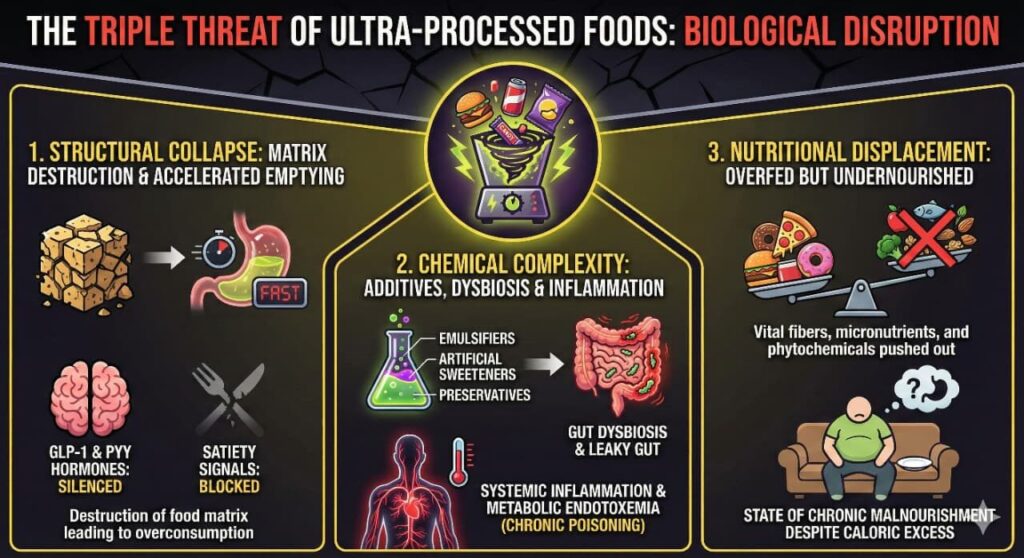
The threat of Ultra-Processed Foods (UPFs) is rooted in a “triple threat” of biological disruption.
Structural Collapse
The primary danger lies in the destruction of the food matrix. This structural collapse accelerates gastric emptying and effectively silences the vital hormonal signals (like GLP-1 and PYY) that are meant to regulate and signal satiety, leading to overconsumption.
Chemical Complexity
A second disruptive force is the inclusion of industrial additives. Emulsifiers, artificial sweeteners, and preservatives are chemically complex components that induce gut dysbiosis, fuel systemic inflammation, and lead to metabolic endotoxemia—a state of chronic, low-grade poisoning.
Nutritional Displacement
Finally, UPFs do not merely introduce harmful ingredients; they actively displace the protective elements essential for long-term health. By pushing out vital fibers, micronutrients, and phytochemicals, they create a state of being “overfed but undernourished.”
Public Health Significance
For a nation like India, the stakes are uniquely high. The convergence of a rapid nutrition transition with the “Thin-Fat Indian” phenotype has created a perfect storm for a chronic disease explosion. The “Double Burden” of malnutrition means that the unchecked proliferation of UPFs will continue to drive both childhood stunting and adult obesity, cementing a cycle of intergenerational metabolic decay that threatens to overwhelm the national healthcare infrastructure.
A Call for Multi-Level Action
Mitigating the UPF crisis requires a “Whole-of-Society” approach that transcends individual choice:
At the State Level: Governments must unleash aggressive fiscal policies, starting with UPF-specific taxation. They must also mandate front-of-pack warning labels that boldly expose and strip away the deceptive “health halos” created by industrial marketing.
At the Institutional Level: The health sector must evolve beyond simple calorie-counting; healthcare providers have a duty to educate patients on the NOVA classification of foods. Simultaneously, schools and all public institutions must be rigorously protected as non-negotiable “UPF-free zones.”
At the Individual Level: The most powerful action is a cultural reclamation of minimally processed staples. By decisively shifting the focus back to “Group 1 + Group 2” foods, real, whole ingredients like grains, legumes, and fresh produce prepared with simple culinary care can actively restore the metabolic homeostasis that industrial processing has systematically dismantled.
The future of global health depends on our ability to distinguish between “food as fuel” and “food as a formulation.” To protect the biological integrity of future generations, we must transition from a system of industrial convenience to one of nutritional sovereignty.