
It all starts with small daily habits: eating too many snacks or fried foods, slouching in bed, and pushing off exercising for ‘tomorrow’, the tomorrow which never really comes. Then gradually, the smallest signs begin to show – you start gaining weight, your jeans don’t fit anymore. You are tired and gasping for breath after a small run or a task. Again, all this is pushed under the rug, thinking it can’t be that serious, can it?
But if, and when these habits do stick, it may lead to the serious, alarming condition which is growing like an epidemic in today’s generation – obesity.
Obesity in India and the world
A chronic disease which affects both developed and developing countries, concerning both adults and children, obesity in today’s world is one of the leading causes of illnesses and death, surpassing even the traditional diseases commonly seen.
According to the statistics from WHO, in 2022, 2.5 billion adults aged 18 years and older were overweight, including over 890 million adults who were living with obesity.
In 2024, an estimated 35 million children under the age of 5 years were overweight.
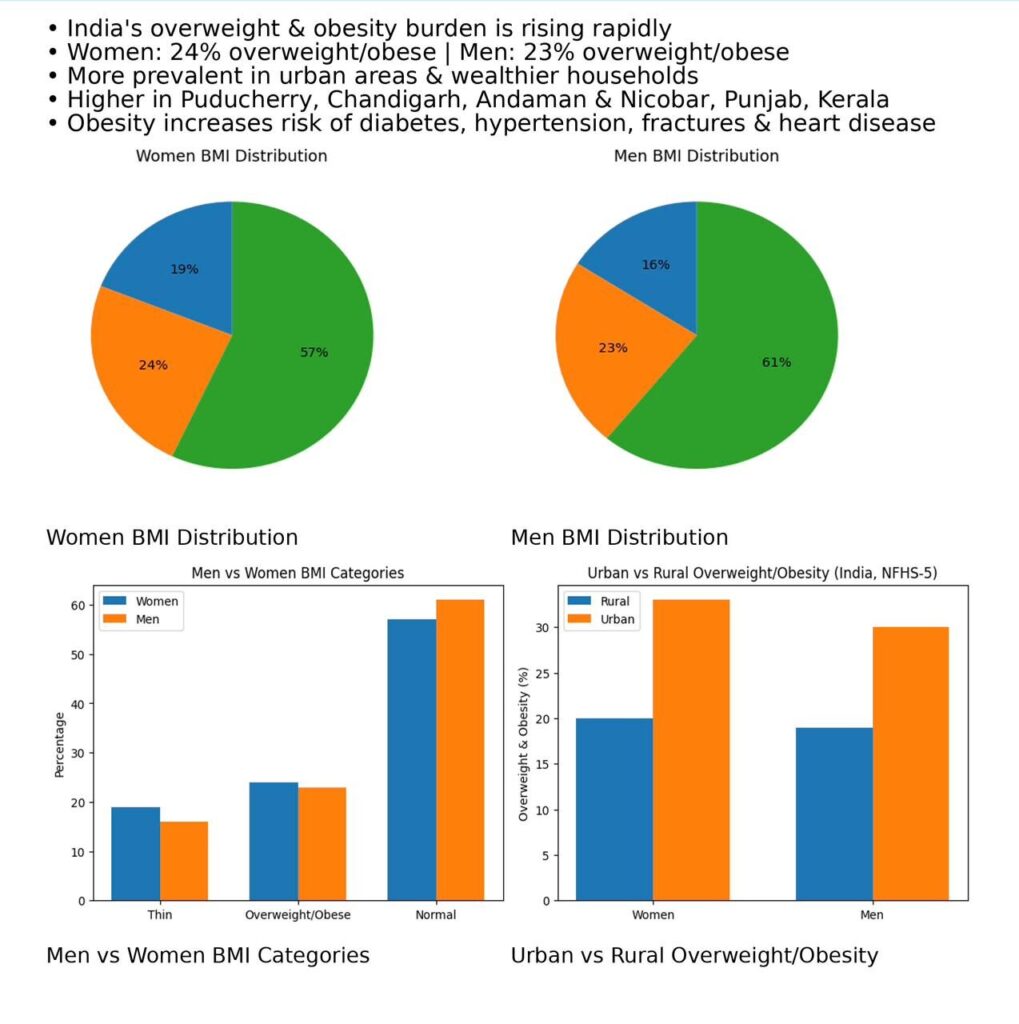
India is following the other developed countries and is slowly transitioning into an “obesity hub”. According to the National Family Health Survey (NFHS)-5 (2019-21), overall, 24% of Indian women and 23% of Indian men are overweight or obese.
There has also been an increase in the percentage of children under 5 years who are overweight from 2.1 percent in NFHS-4 (2015-16) to 3.4 percent in NFHS-5 (2019-21) at the All-India level.
Clearing the biggest myth – what exactly do you mean by obesity?
Obesity is not just about gaining some extra kilos – obesity is a disease, a disorder of energy homeostasis (maintaining a stable, constant internal environment). According to the National Library of Medicine (NIH), obesity is a complex multifactorial disease that accumulates excess body fat, leading to negative effects on health.
Obesity vs Overweight
The main difference between obesity and overweight is regarding the amount of fat in the body.
The amount of fat in the body is measured using a Body Mass Index (BMI).
BMI
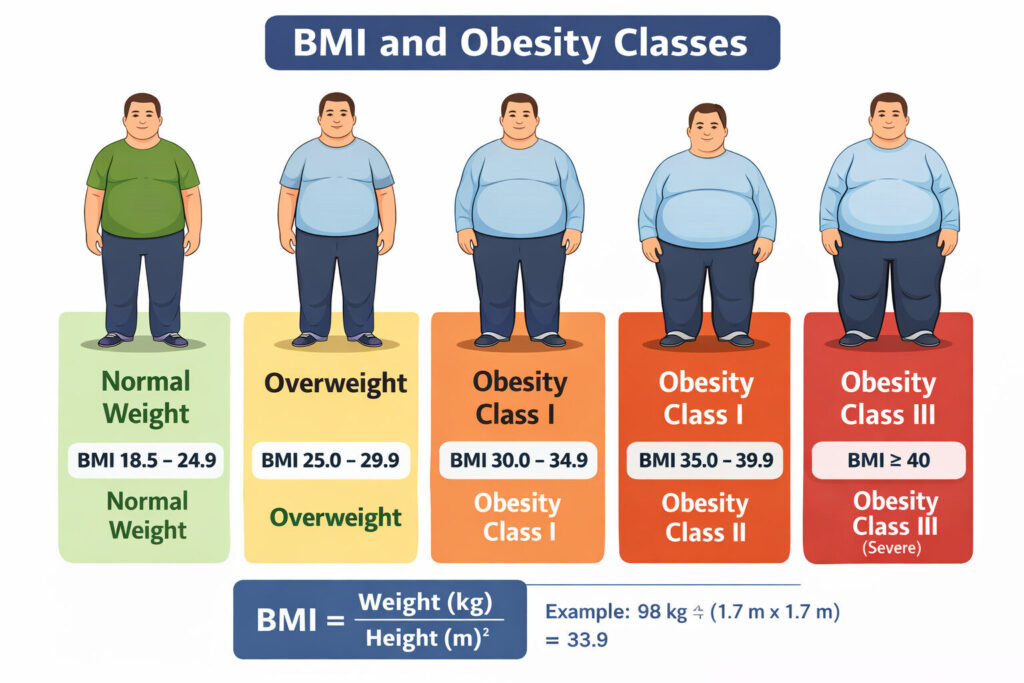
Also called the Quetelet index, BMI is a standard metric used to assess the amount of body fat by calculating the ratio of weight and height in meters squared (kg/m²). Keep in mind that BMI is not the most accurate value of the amount of body fat but is the most reliable value to assess risks of various diseases associated with high body fat.
BMI VALUES (units in kg/m²)
Underweight : <18.5
Normal : 18.5 – 24.9
Overweight : 25 – 29.9
Obese : >30
To check your BMI :
For kids and teens : https://www.cdc.gov/bmi/child-teen-calculator/index.html
For adults : https://www.cdc.gov/bmi/adult-calculator/index.html
Types of obesity
Obesity is classified by clinicians into classes and subtypes based on various categories.
1. Based on BMI values
a) Class 1 – BMI = 30 – 34.9 kg/m²
b) Class 2 – BMI = 35 – 39.9 kg/m²
c) Class 3 – BMI = > 40 kg/m²
2. Based on fat distribution in the body
a) Android / truncal obesity – fat tends to accumulate in the abdominal region.
Most prevalent and with the most risk for chronic diseases.
b) Gynoid / peripheral obesity – fat tends to accumulate in regions like the hips, buttocks, and thighs. This has less risk for chronic diseases.
3. Based on causative factors
a) Primary obesity – when the person develops obesity due to genetic or environmental factors
b) Secondary obesity – when the person develops obesity as a comorbidity (a disease/condition which is usually associated and commonly developed with another disease) of various conditions like hypothyroidism, PCOS, etc.
4. Sarcopenic obesity – refers to obesity seen in the elderly, mainly due to loss of muscle mass and increase in fat deposition.
5. Childhood obesity – obesity seen in children under the age of five due to any genetic factors.
Obesity is rapidly increasing in children and adolescents, which is a major concern for society.
How does fat accumulate in the body?
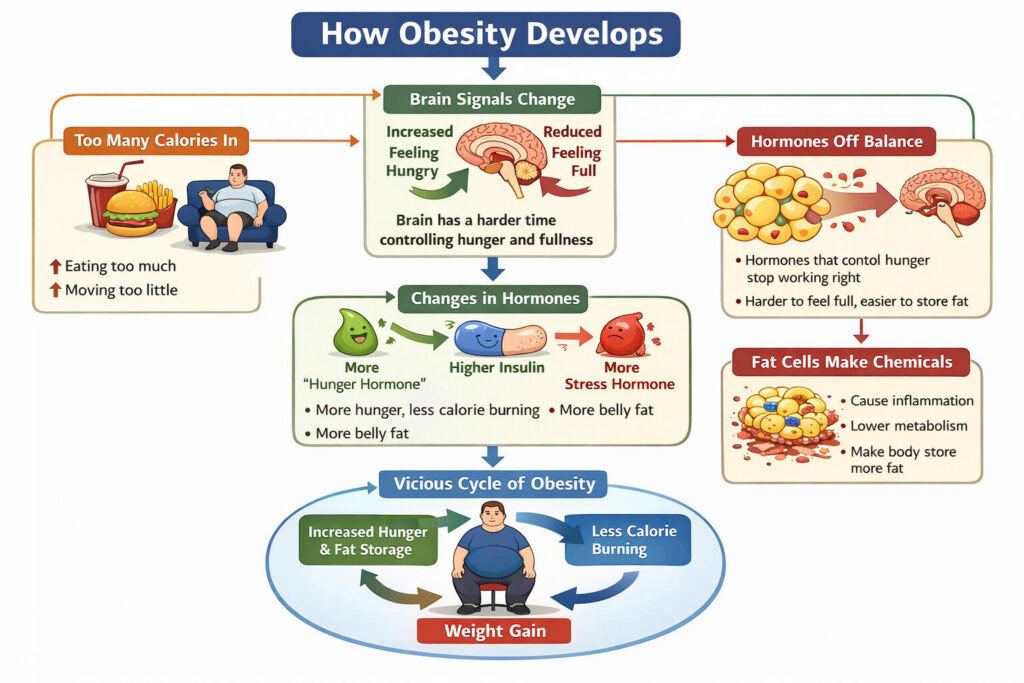
Obesity occurs due to the dysregulation of various neural and hormonal factors in the body.
Many hormones play a key role here – two of them being leptin and ghrelin.
Leptin is a peptide (protein) hormone produced by the fat cells. So more the amount of fat, more the leptin and vice versa.
Many hormones from the GI tract, along with neural signals from the vagus nerve, indirectly act on the hypothalamus and contribute to satiety (fullness).
The main cause of obesity and this vicious cycle of weight gain is leptin resistance – as leptin levels decrease below normal in our body, there is a powerful stimulus to food intake. But the corresponding stimulus due to increase in leptin levels (i.e. less food intake) is way lesser.
Thus, there is increased appetite and decreased satiety signals in obesity.
Ghrelin, also known as the ‘hunger hormone’, is produced by the stomach. Obesity leads to excess ghrelin production, even when the body has sufficient energy. It increases cravings and makes food super tempting to eat.
Bonus – ghrelin levels increase if you sleep less and also if you stress a lot.
Increased stress leads to the production of the ‘stress hormone’ – cortisol. Cortisol promotes accumulation of abdominal fat and also leads to insulin resistance, which leads to another chain of problems. Little did we imagine these hormones to do this much!
Who are at risk?
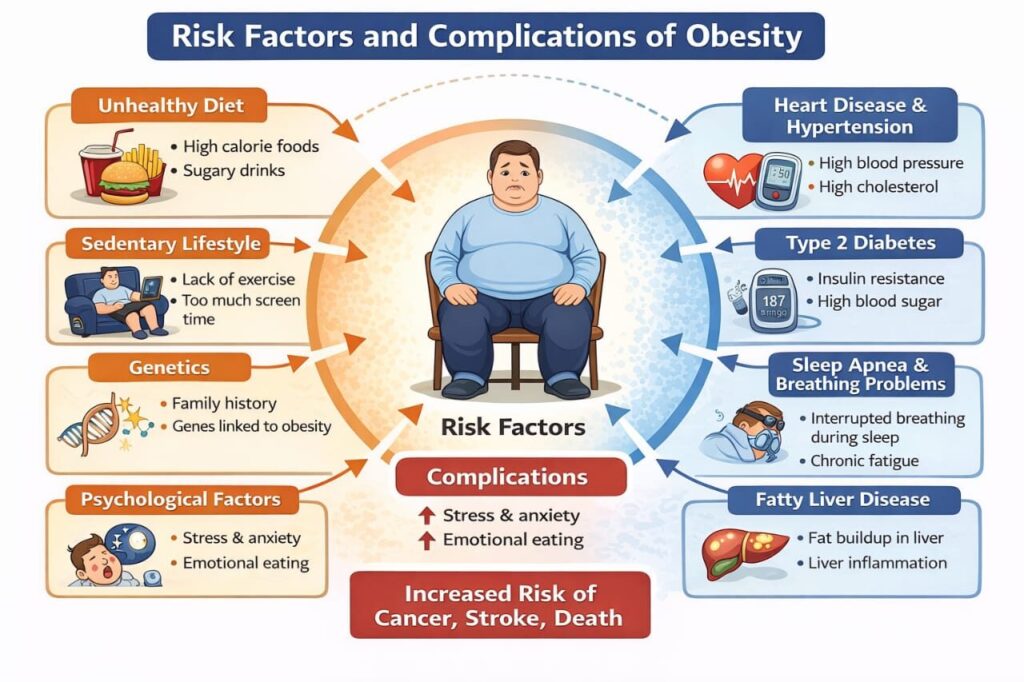
Multiple factors can gradually lead to excessive weight gain.
1. Daily lifestyle
This includes some of our daily habits as in:
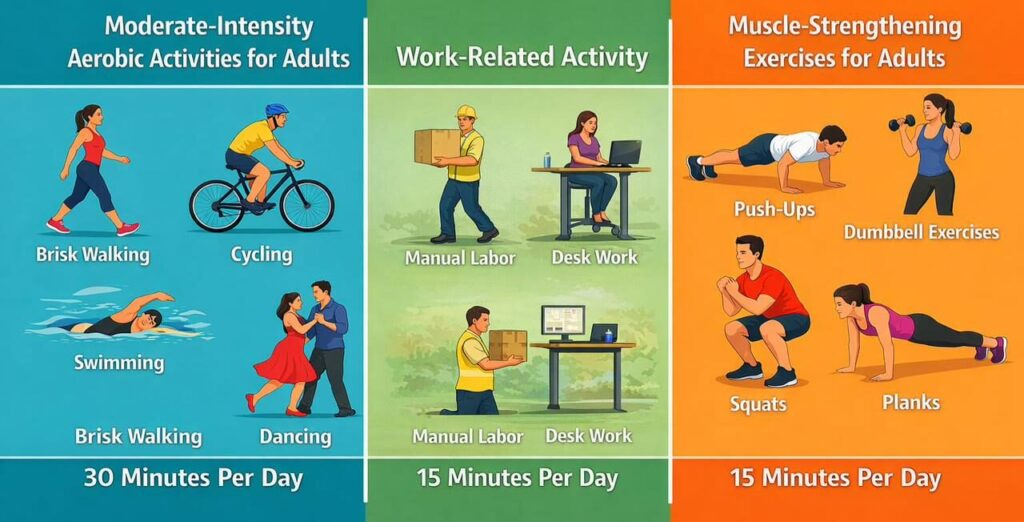
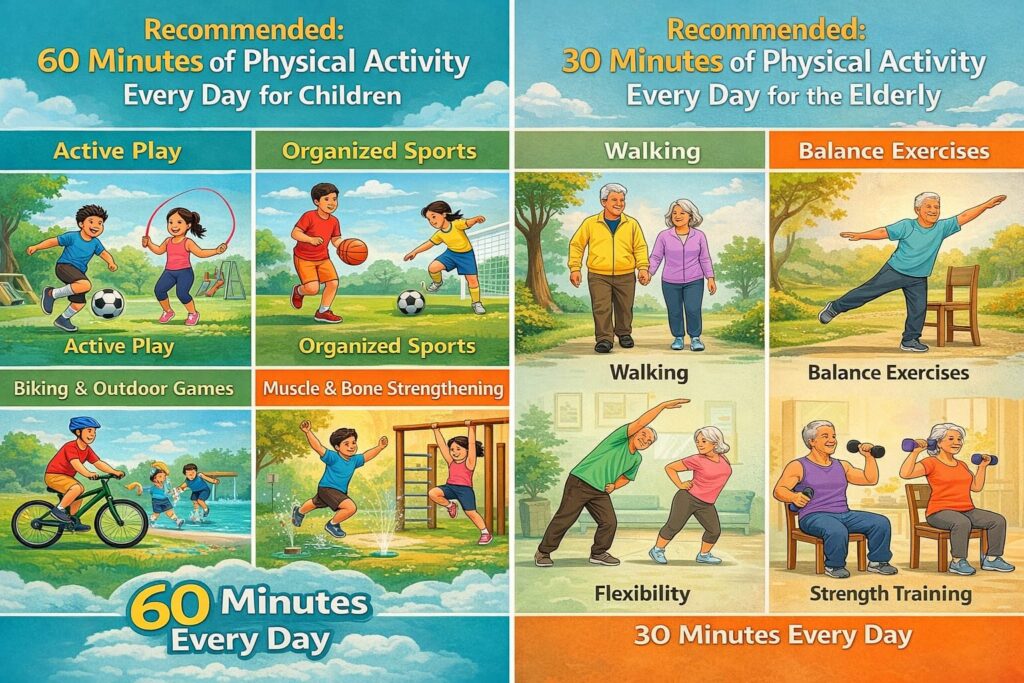
a) Lack of physical exercise – the India-specific guidelines for physical activity state that,
● A total of 60 min of physical activity is recommended every day for healthy Asian Indians. This should ideally include at least 30 min of moderate-intensity aerobic activity, 15 min of work-related activity, and 15 min of muscle-strengthening exercises.
● For children, moderate-intensity physical activity for 60 min daily should be in the form of sport and physical activity.
b) Overconsumption of highly processed food, and food rich in saturated fatty acids and sugars.
c) Insufficient sleep.
2. Stress
In your fear of gaining weight, you’ve stressed yourself on putting on even more. What a loop of irony, isn’t it?
But it’s true, long-term stress leads to excess production of hormones, especially cortisol, which causes increased hunger and can make you eat even more. Now you know why you are so-called ‘stress-eating’.
3. Other conditions and medications
Conditions like metabolic syndrome, PCOS, or hypothyroidism can cause extra weight gain and insulin resistance.
Even certain medications can gradually lead to obesity by disturbing the signalling pathways in your brain.
These include:
● Psychiatric drugs such as antidepressants and antipsychotics.
● Beta blockers, which are used to treat high blood pressure.
● Hormonal birth control pills.
● Steroids.
● Insulin, which is used to maintain blood sugar levels in diabetes.
Do consult your doctor if you are suffering from any of these conditions or taking any of these medications. You might have to change the medications first.
4. Genes
Researchers have found approximately 15 genes that influence obesity. Where and how your body stores fat is about 50 percent controlled by your genes.
Specific, rare single-gene disorders can directly cause obesity, such as Bardet-Biedl syndrome and Prader-Willi syndrome.
Complications related to obesity
Obesity, especially central obesity increases your risk for many health problems. These include:
● Type 2 diabetes
● High blood pressure
● Heart diseases
● Stroke
● Metabolic syndrome – group of symptoms which include (you have to be diagnosed with at least 3 of the following conditions)
– Excess abdominal weight
– Hypertriglyceridemia
– Low levels of HDL cholesterol
– Increased blood sugar levels
– High blood pressure
● Fatty liver
● Osteoarthritis
● Some cancers – men are more predisposed to developing cancers of the colon, rectum and prostate. Women are more likely to develop breast, uterine and gallbladder cancers
Preventing and managing obesity : a multidisciplinary approach
The goal here is to reach and maintain a healthy weight. The first step is a modest weight loss – 5% – 10% of your current body weight. The more consistent you are with your diet and exercise, the more weight you lose and the greater the benefits.
1. Eat ‘well’
Eat well in both quality and quantity. Preventing extra weight gain doesn’t require you to starve yourself. Being aware of what you eat is crucial for maintaining a healthy weight.
| Eat and drink more of these | Eat and drink less of these |
| vegetables | Low nutrient ultra processed foods, and highly processed snacks and fast foods |
| whole fruits (preferably not fruit juices as the fibre content is lost) | Fruit juices |
| healthy protein sources – Plant protein – legumes, seeds, tofuLean animal protein – seafood and chicken | Red meat (beef, pork, lamb) and refined meat |
| whole grains like whole wheat, brown rice, barley, oats | Refined grains (white bread, white rice,white pasta) |
| healthy fats – plant sourced oils like olive, sunflower oils, etc | Sugar sweetened beverages – soda, high sugar sports drinks, etc) |
| Water (2 – 3 litres per day) |
Other small things to keep in mind:
Slowing down while eating and using smaller bowls or plates can help avoid overeating by giving the brain time to tell the stomach when it’s had enough food.
When you do eat, take time to think about why you are eating, and focus all of your senses on the food with sight, smell, touch and taste so that you can fully enjoy what you are eating.
Set realistic goals – even if it’s small, it’s still progress. Don’t stress yourself into severe dieting or extreme physical exercises as that can cause more harm than cure. Losing just 3% of your original body weight can significantly reduce your risk of developing obesity related complications
2. Move your body
Regular physical activity is not just a key component of weight control, but it also offers many other health benefits such as reducing risk of various chronic diseases and improving quality of life.
3. Lifestyle changes
● Limit screen time – as it is usually associated with increased sedentariness, increased exposure to marketing of unhealthy foods, and body image issues in youth due to unrealistic portrayals of body size and habits
● Get enough sleep – chronic poor sleeping habits (<7 hours a night) usually leads to weight gain, increased cravings, fatigue and less desire to exercise
● Managing stress – excessive stress can take a toll on health and contribute to weight gain. Regular physical activity, meditation, nature walks, finding relaxing and enjoyable activities are some important stress relieving strategies
● Family based lifestyle changes – basic changes in daily routine plays an important role especially for children. Involve your family and friends in your weight loss journey.
4. Education and awareness
● Awareness programmes in schools and colleges
● Educating people about food labels and nutritional labelling
● Encouraging eating at home and healthy cooking practices
● Discouraging body shaming and promoting healthy body image
5. Government interventions
● Building safe public spaces for exercise such as parks, playgrounds, etc
● Urban planning that encourages walking and active transport
● Restrictions on marketing ultra processed foods to children
● Mentioning calorie count and warning labels behind processed foods
● Policies promoting breast feeding (protective against childhood obesity)
When to seek medical help
You must consult your general physician or a nutritionist if:
● You aren’t losing any weight even after adequate lifestyle changes and regular physical activity
● You are suffering from any underlying conditions such as diabetes, high blood pressure, sleep apnea, PCOD, thyroid related issues or any other health concerns
● Your weight gain is affecting you mentally and hindering you from doing your daily activities
Your doctor will suggest treatment options based on the severity of the obesity.
Weight loss medications may be given after considering your health history as well as the possible side effects. These medications either suppress your appetite or hinders the absorption of dietary fat. Never take medicine for weight loss management (this also includes the weight loss powders and drinks usually sold in the market) if it’s not prescribed for you.
Weight loss surgeries, also called bariatric surgeries are done in case of very severe obesity. These include
1. Endoscopic sleeve gastroplasty
2. Adjustable gastric binding
3. Gastric bypass surgery
4. Gastric sleeve
Success after surgery depends on your commitment to maintaining healthy weight with the necessary lifestyle changes. It isn’t generally recommended for children, but may be considered in exceptional cases.
Other treatments, such as hydrogels, vagal nerve blockade, and gastric aspirate are also done.
The key message – Seeing the person in the obese
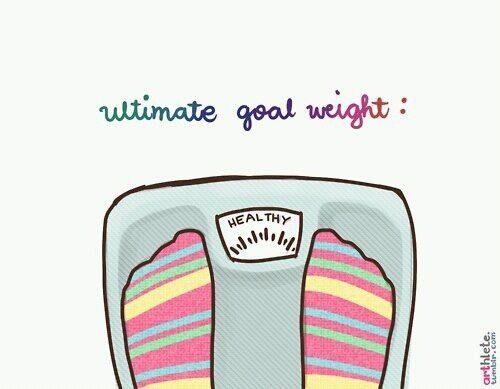
To anyone living with obesity – You are not that number on the scale you are standing on. Just because you may not be shedding off that weight quickly doesn’t mean your efforts aren’t valid. Remember that you cannot judge a person’s health just by their body size. Every small step you take towards better health matters.
And to everyone else, who have either heard or seen people living with obesity – Shame is never the treatment. Commenting on a person’s body size isn’t just disrespectful but also lowers the morale and confidence of that individual even to just live their daily life. For a healthier, happier society, all of us must strive to create one where we don’t blame, we don’t judge, but we understand and we care, as that small act of kindness can in fact, be life saving.
REFERENCES
- Harrison’s Principles of Internal Medicine – 22nd edition
- Park textbook of preventive and social medicine
- Consensus physical activity guidelines for asian indians – https://pubmed.ncbi.nlm.nih.gov/21988275/
- Risk factors for obesity – https://www.cdc.gov/obesity/risk-factors/risk-factors.html
- Health risks of overweight and obesity – https://www.niddk.nih.gov/health-information/weight-management/adult-overweight-obesity/health-risks
- Obesity prevention – https://www.hopkinsmedicine.org/health/conditions-and-diseases/obesity/preventing-obesity
- Obesity – treatment NHS – https://share.google/kgXXL7tcxtSUMYt7C
- Ministry of health and family welfare – https://share.google/ttNz9ajn7xy373LU7