

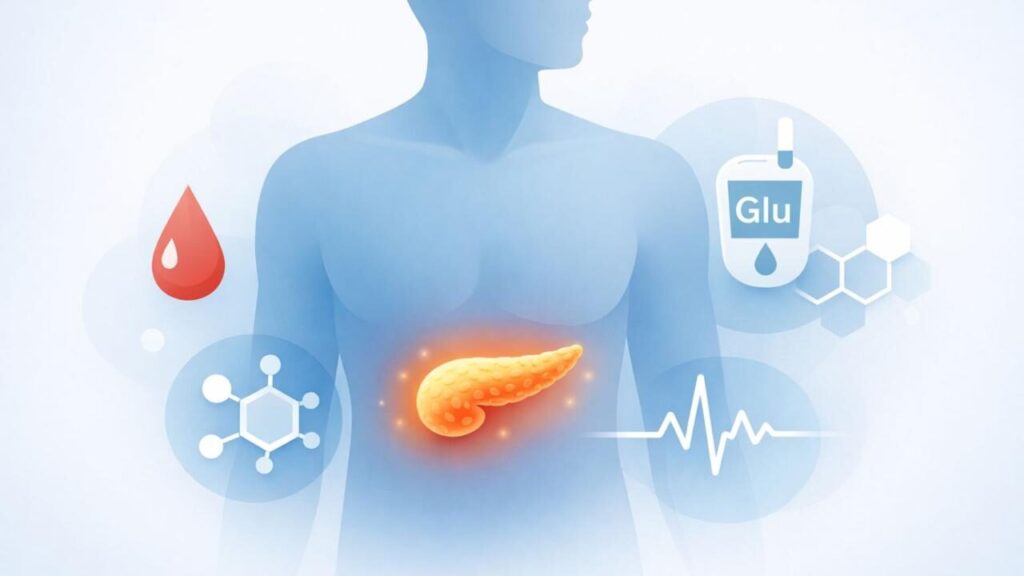
India is one of the leading countries in diabetes prevalence, which is not a matter of pride. India is often called the “Diabetes capital” due to the alarming rates of the disease. Studies show that one in six people suffering from diabetes is Indian. To prevent the further increase in the number of diabetic patients, it is necessary to focus on early screening, lifestyle modification, and preventive measures. It is also crucial to focus on prediabetic patients, who are the patients at a high risk of developing diabetes.
What is Diabetes?
Diabetes is a long term illness in which the body cannot regulate the amount of sugar in the blood. The hormone involved is insulin, which is produced by the pancreas. Insulin helps transport glucose from the bloodstream into cells throughout the body, thus reducing the glucose levels in the blood. Diabetes has two main types: type 1 and type 2. If prediabetes is not controlled, it leads to type 2 diabetes. Type 2 diabetes occurs when the body does not use insulin effectively and, over time, does not produce enough insulin to maintain normal blood glucose levels. Type 2 diabetes commonly affects middle-aged and elderly people, although it is increasingly being diagnosed in younger populations due to obesity and a sedentary lifestyle. A healthy diet and regular physical activity help manage this condition.
When do you call someone a diabetic?
Doctors use different blood tests to diagnose diabetes, such as:
- Fasting blood glucose test
- Random blood glucose test
- Oral glucose tolerance test
- HbA1c test
1. Fasting blood glucose test:-
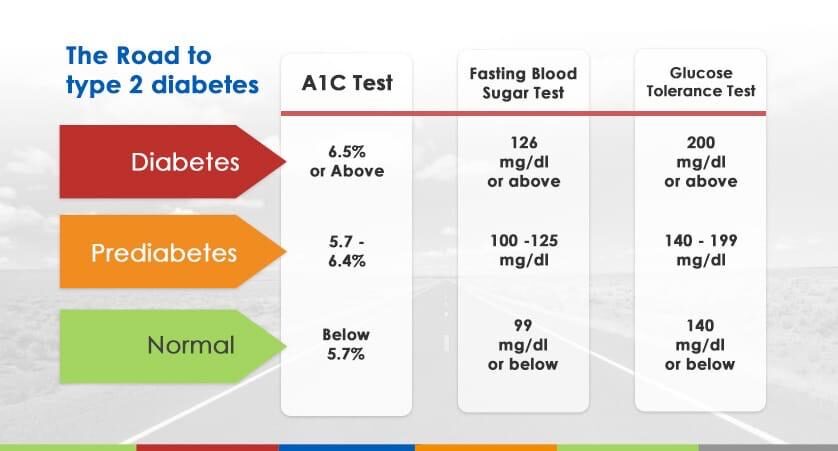
The fasting blood glucose test measures the blood glucose level after an overnight fast (8-12 hrs). A value of 126 mg/dL or above is considered diagnostic of diabetes. If the fasting blood glucose level is between 100 and 125 mg/dL, the person is considered pre-diabetic.
2. Random blood glucose test:-
A random blood glucose test measures blood glucose level at any time of the day. A value more than or equal to 200mg/dl is considered diagnostic of diabetes.
3. Oral glucose tolerance test:
The oral glucose tolerance test measures the body’s response to an oral glucose load. After an overnight fast, the person is given a measured glucose solution, and blood glucose levels are measured at fixed intervals, usually up to 2 hours. If the value ranges from 140-199 mg/dl, then it is pre-diabetes; if it is above 200 mg/dl, then it is considered to be diabetic.
4. HbA1c:
HbA1c is a test used to measure the average blood glucose level over the past 2–3 months. It indicates the extent of glycation of hemoglobin (attachment of glucose to haemoglobin) in red blood cells. If the value ranges from 5.7% to 6.4%, then it is pre-diabetes; if it is 6.5% or above, then it is considered to be diabetic.
What is prediabetes?
Introduction:-
Prediabetes is a condition in which the blood sugar levels are higher than normal but not high enough to be classified as diabetes. A person is considered to be pre-diabetic when their blood glucose values fall within the range identified by the tests mentioned above. About 1 out of every 3 adults has prediabetes. Many people don’t know they have prediabetes because it often has no symptoms.
What are the risk factors for prediabetes?
- Overweight or obesity: BMI (Body mass index) values above the normal range are considered overweight or obese. Increased body fat rises insulin resistance, which causes blood sugar levels to rise.
- Unhealthy diet: Consuming excess carbohydrates, sugary drinks, and processed foods causes blood glucose spikes, which can increase insulin resistance.
- Age: As we age, insulin sensitivity decreases, which can cause blood glucose levels to rise. Muscle mass also declines with age, reducing muscle glycogen storage and glucose uptake. It also affects young adults.
- Lack of physical activity: Lack of physical activity reduces the use of glucose for energy, converts it to fat, and increases the risk of obesity and diabetes.
- Family history of type 2 diabetes: A family history of diabetes increases the likelihood of developing the disease because genes inherited from parents can affect how the body produces or uses insulin.
- History of gestational diabetes: A woman who had diabetes during pregnancy is at a higher risk of developing diabetes in the following years compared to a woman who did not have diabetes during pregnancy.
- Smoking: Chemicals in cigarettes cause inflammation and increase insulin resistance, which raises the risk of cardiovascular diseases and diabetes.
- High blood pressure: High blood pressure damages and stiffens blood vessels and worsens insulin resistance, leading to type 2 diabetes.
- Polycystic ovary syndrome (PCOS): Many women suffering from PCOS develop type 2 diabetes by age 40. Hormone imbalance causes insulin resistance, which in turn leads to the development of type 2 diabetes.
- Abnormal cholesterol levels: An increase in the amount of fat stores in the body causes insulin resistance. An increase in cholesterol levels has a direct effect on the pancreas, making the body less responsive to insulin.
What causes a prediabetic to develop diabetes?
“Prevention is better than cure”, a phrase we hear most of the time. But do we really follow it? Preventing a disease is a better option than suffering from it later. People with prediabetes should change their lifestyle and modify their diet to prevent diabetes.
Blood sugar level increases due to decreased insulin response. It occurs due to decreased insulin secretion or decreased insulin action. Increased blood sugar levels causes a lot of threat to the body by causing metabolic dysfunctions and disrupting the normal functions of the organs. The complications of diabetes are increased risk of cardiovascular diseases, eye and kidney related disorders, urinary tract infections. Diabetes can be prevented by following few precautions and preventive measures.Before we move on to precautions and preventive measures, let’s talk about glucose spikes.
Have you ever wondered how high your blood glucose levels would be after eating a very sweet dish? This rapid increase in blood sugar level is called glucose spike.Glucose spikes play a major role in overall functioning of the body. It also determines the mood, energy levels and long term health. Maintaining glucose spikes is a key concept in preventing diabetes and for a good overall health.
Glucose spikes are not only caused by eating a sweet dish or processed foods. They occur even when good home cooked meals are eaten, but the rise is not as same as the foods which are sweet. There are many ways to prevent your glucose levels from raising and maintaining it at a constant level throughout the day.
Here are some measures which you can follow:-
- Eating food in the right manner:- Several studies have shown that eating fiber at first during a meal has said to reduce glucose spike. Fiber takes time to get digested, so the food eaten during the meal is digested slowly thereby releasing glucose into the bloodstream slowly. Fiber should be followed by protein, fats, starches and sugars at last. Eating food in this order, has said to reduce glucose spikes. Decreased number of glucose spikes is necessary for maintaining energy levels.
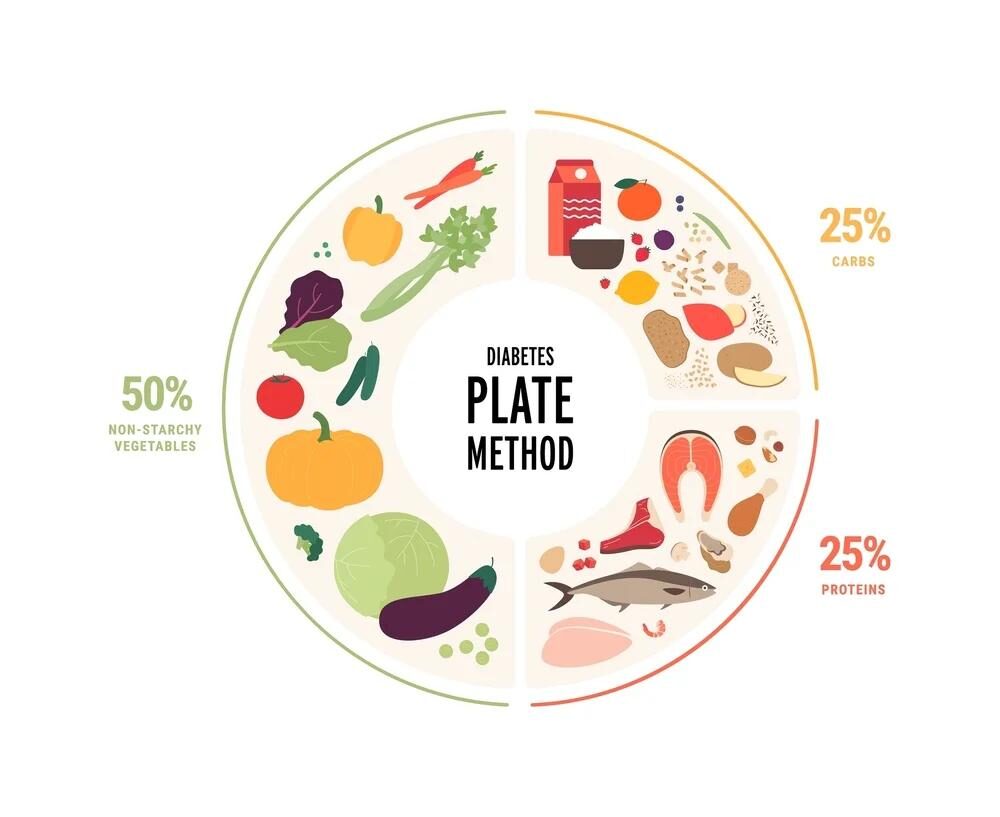
- Walking after a meal:- The blood glucose levels start to increase after a meal. A 5-10 minutes walk is sufficient to reduce the spike. The muscles increase the uptake of glucose as it is the source of energy. Glucose level in blood starts to decrease as it is being utilized. This reduces the glucose spike and increases insulin sensitivity. As the blood flow is increased to all the organs, the uptake of glucose will also be increased. These short walks have a great impact on the body than long walks. It would be good if everyone follows, as it would reduce the risk of developing diabetes.
- Walking in the morning:- Morning walks maintain glucose level by helping the cells to absorb glucose better. It increases insulin sensitivity and glucose intake in muscles, thereby keeping blood sugar level under control.
- Controlling stress:- Stress doesn’t have a direct impact on diabetes. A hormone named cortisol is released when a person is under stress. This hormone activates the release of glucose from the liver. In this way stress causes the blood sugar to rise. Chronic stress leads to insulin resistance and increases the risk of developing type 2 diabetes. So controlling stress is very important.
- Choosing low glycemic index foods:– The term glycemic index refers to how fast the foods raise the blood sugar level. The foods having lower glycemic index raises the blood sugar level slowly. Consuming foods having a lower glycemic is very important to reduce glucose spikes. Usually foods having high fiber content have lower glycemic index
- Getting enough sleep:- Sleeping for a duration of 7-9 hours is very important. Getting adequate sleep helps manage stress, improves mood, balance of hormones, improves insulin sensitivity, helps in weight control and reduces the risk of developing diabetes.
- Staying hydrated:– Drinking enough water creates a feeling of fullness which reduces the intake of food. Adequate amount of water helps maintain glucose concentration in blood.
- Limit sugar and refined carbs:– Foods which lack essential nutrients but provide energy are known as empty calorie foods. Processed foods usually contain empty calories. These foods cause weight gain and glucose spikes. Regular intake of these foods increases the risk of developing type 2 diabetes.
- Avoid resting after a meal:– Lack of movement after a meal causes a glucose spike. Avoid sleeping just after a meal.
Why is it necessary to control glucose spikes?
- If there is a big glucose spike in the morning, there is a high chance of energy level crash during the day. This has a direct impact on the mood.
- Increased glucose spikes in the day increases cravings and which leads to increased intake of calories, which causes weight gain.
- Unusual glucose spikes increases secretion of insulin. It increases the production of androgens (sex hormones). Androgens increase sebum production and leads to skin breakouts. A low glycemic index diet can help delay ageing and maintain good skin health.
- The glucose in the blood is directly converted into fat if the spike is too high. Increase in fat causes weight gain and risk for cardiovascular diseases.
- Studies suggest that people with high blood sugar levels are more likely to develop Alzheimer’s as they age.
Foods and habits to be avoided and followed:-
| To be avoided | To be followed |
| •Oats and sweet syrup, bread and jam for breakfast.•Fruit juices and fruits on an empty stomach.•Starting the meal with starches and sugars.•Sitting and resting after a meal.•Foods having low fiber and protein content.•Overconsumption of alcohol.•Smoking•Over eating •Fruits containing more fructose (dates, mangoes,grapes).•Not being physically active.•Red meat and foods cooked using palm oil.• Starchy vegetables like potatoes, corn, peas. | •Vegetables, millets or low glycemic index foods for breakfast.•Fruit juices and fruits after a meal.•Starting the meal with vegetables.•Walking or doing calf raises (standing on your tip-toes).•Include lean protein like fish, cheese in your diet.•Exercise regularly.•Reduce stress.•Drink enough water.•Eat at regular intervals and follow portion control.•Balanced diet•Enough sleep•Non-starchy vegetables like leafy greens, broccoli, peppers, cucumber. |
When to seek medical professional help?
As prediabetes offers no to some symptoms, it is difficult to diagnose.
The few common signs are:-
- Acanthosis nigricans:- Dark thickened skin usually found in the neck, back, trunk.
- Tingling sensation:- Tingling sensation in the hands and feet is caused by the damage to the nerves caused by high insulin levels.
- Constant thirst:– Due to increased glucose levels, the kidneys function more to remove the excess glucose from the body through urine. This leads to dehydration and the feeling of thirst.
If you have any one of the symptoms in these, then you need to talk to your physician. Talk to him/her about your habits and diet, they can guide you about it and correct your mistakes. Apart from these signs, if you have got your blood glucose levels checked and if the values fall in the range mentioned below in the table then it is classified as pre-diabetes.
You should get a health checkup done once in every 6-12 months. It is necessary to know the values of hemoglobin, triglycerides, cholesterol in your blood. The doctor shall guide you and help you if any value is not in the normal range. Diabetes is not caused only by a single factor, multiple factors are responsible for it. By getting your health checkup done, one can identify the factors causing diabetes. If you are diagnosed with prediabetes, feel free to consult a physician. Follow all the instructions, you can notice the decrease in your blood sugar levels by a few months. It is not very difficult to reverse prediabetes. Your dedication is very important.
Reference:
- https://www.mayoclinic.org/diseases-conditions/prediabetes/symptoms-causes/syc-20355278
- https://my.clevelandclinic.org/health/diseases/21498-prediabetes
- https://www.ncbi.nlm.nih.gov/books/NBK459332/
- https://www.glucosegoddess.com/
Images: