

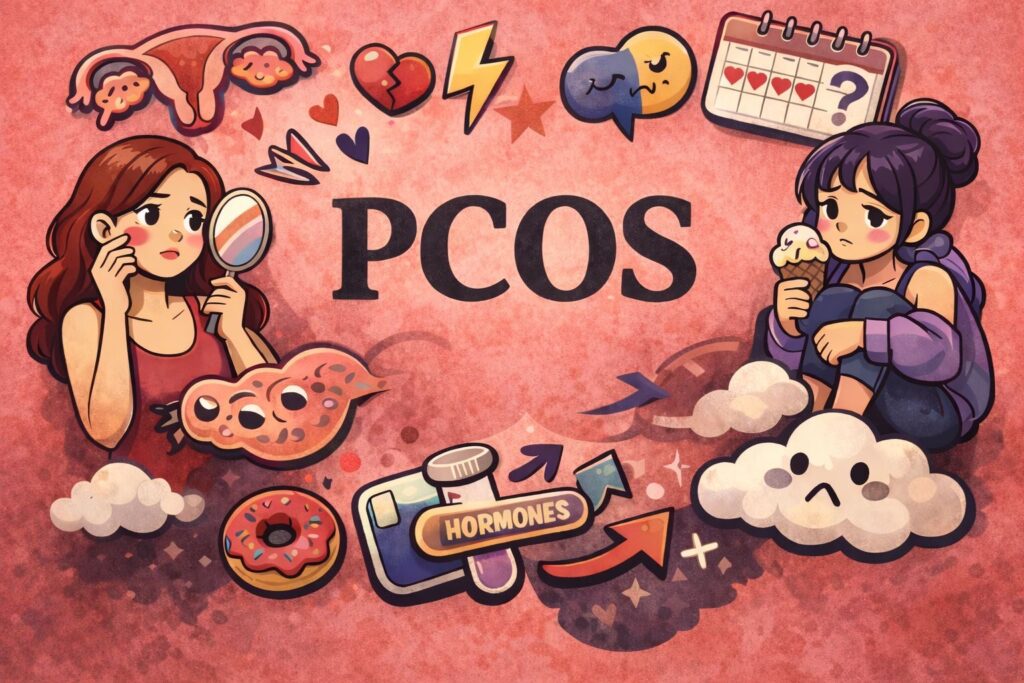
Sometimes it’s hard to see the rainbow when there’s been endless days of rain.
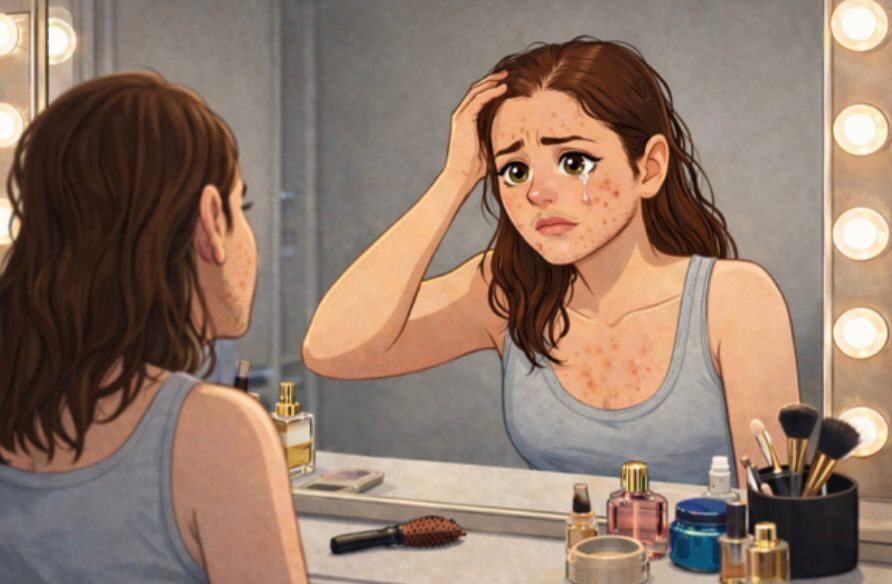
Living with PCOS can feel like a constant battle—with your symptoms, your energy, your emotions, and even your own body. This can create an overwhelming sense of helplessness in your mind, but it is important to know that PCOS can be dealt with, and there are ways to improve quality of life despite having this disease.
So what exactly is PCOS?
Polycystic ovary syndrome is a common hormonal condition that affects women of reproductive age . It usually starts during adolescence , but symptoms may fluctuate over time .
How do experts diagnose PCOS:
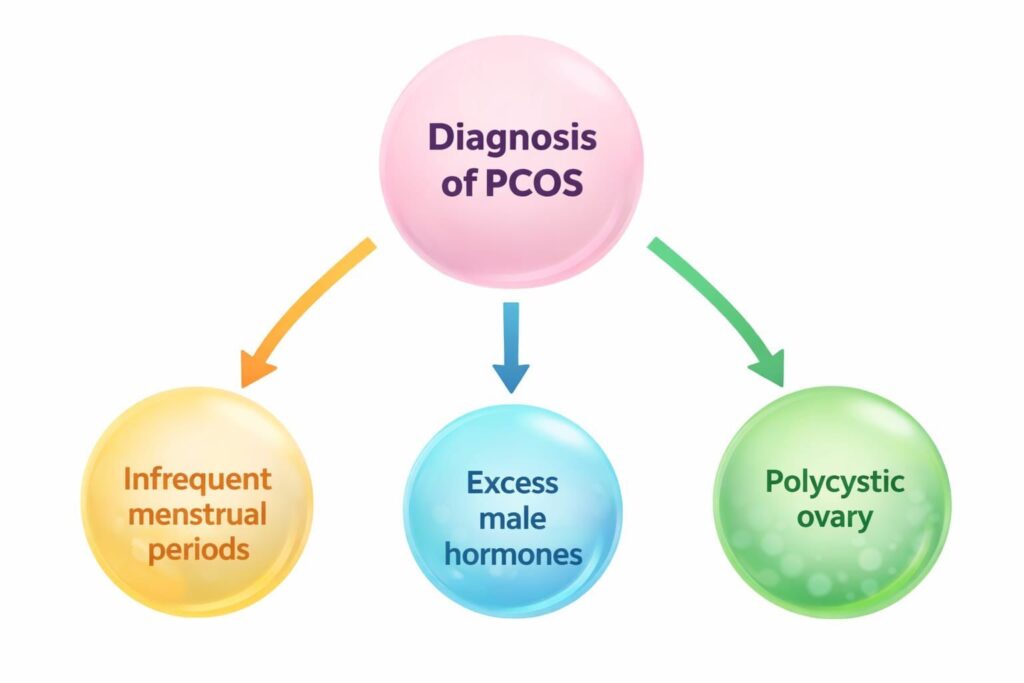
PCOS is hard to diagnose since it comes with a plethora of symptoms and signs. It tends to manifest differently in every woman, and hence there was a need to come up with specific diagnostic criteria. “Rotterdam Criteria” is the most widely accepted criteria, which broadened the minimal requirement to diagnose PCOS, i.e. the presence of any two of the three key characteristics as listed:
- Oligo-amenorrhea(infrequent or absent menstrual periods)
- Hyperandrogenism(higher than normal levels of “male” hormones in the body)
- Polycystic-appearing ovarian morphology on ultrasonography
What can put you at risk for PCOS:
PCOS doesn’t have a single, clear cause. Instead, a mix of biological and lifestyle factors can raise the risk of developing the condition:
- Family history( certain genes may contribute to PCOS, which can be passed on from mother to offspring)
- Obesity
- Sedentary lifestyle
How is stress related to PCOS:
Prolonged stress disrupts key hormone levels, especially that of cortisol and insulin. Increased levels of cortisol decrease insulin sensitivity, which can result in insulin resistance—a common issue in women with PCOS. In turn, higher insulin levels can stimulate excess androgen production, intensifying symptoms such as acne, excessive hair growth (hirsutism), and irregular menstrual cycles.
Stress creates a feedback loop that exacerbates the hormonal fluctuations already present in PCOS. This ongoing imbalance can significantly impact overall well-being, making it essential for those with PCOS to manage stress effectively.
Possible causes for PCOS:
PCOS isn’t caused by just one thing. It usually develops due to a combination of factors that work together overtime:
- Hormonal imbalance:ovaries produce excess of hormones which interferes with normal ovulation
- Insulin resistance: body becomes inefficient in using insulin which leads to higher insulin levels affecting the ovaries
- Genetics : PCOS quite often runs in families
Symptoms indicating you may have PCOS
The symptoms of pcos usually varies from person to person but common ones include :
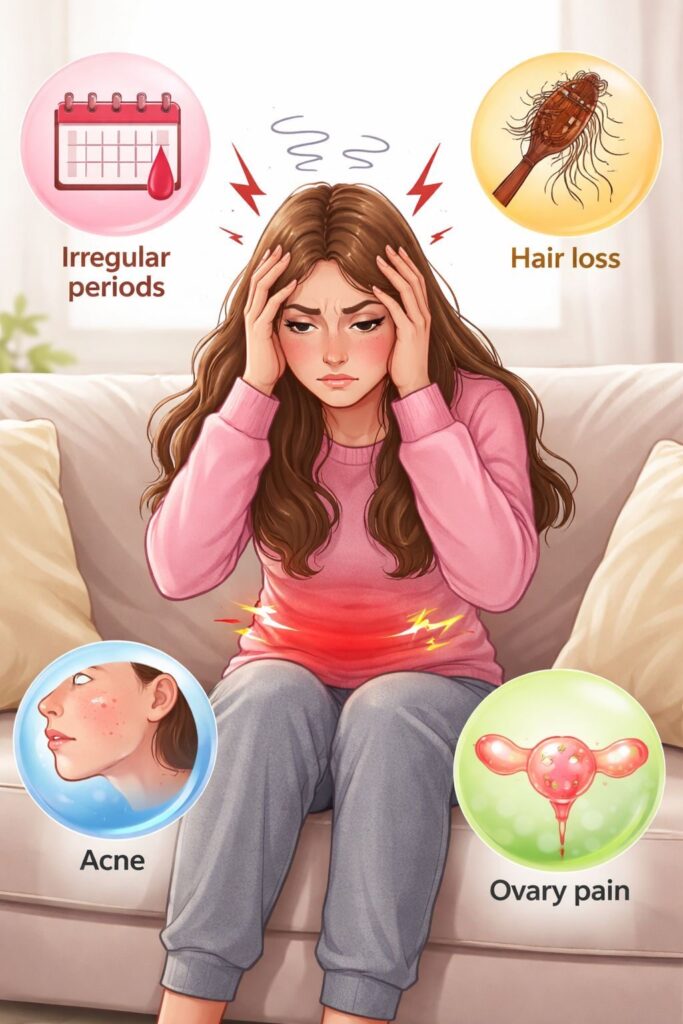
- Irregular periods ( infrequent, unpredictable or missing periods )
- Excess hair growth on the face, chest, back, or stomach
- Acne or oily skin
- Weight Gain or difficulty losing weight
- Ovarian cysts (small fluid-filled sacs on the ovaries, seen on ultrasound)
- Fertility difficulties
- Darkened skin patches (often on the neck, armpits, or groin)
- Fatigue or low energy
“PCOS isn’t a sentence- it’s an invitation to know yourself more deeply”
Restoring Balance: How to Manage PCOS
Since pcos manifests itself with various symptoms doctors usually tend to treat the symptoms instead of curing the disease itself. In order to cure oneself of pcos it is important to figure out the root cause of it. Here is an example of a woman who has herself dealt with pcos and has managed to almost reverse most of her symptoms:
Ananyaa was a young teacher in her twenties who often dealt with unpredictable and missed periods, persistent cystic acne that wouldn’t clear up, and weight gain, mostly around her abdomen, despite having a reasonably healthy diet. She also noticed thinning hair and increased hair growth on face and body. Two years after her marriage when she tried conceiving she was unable to do so and hence decided to seek help from a doctor. A lot of doctors dismissed her case attributing them to stress, her age, or simply telling her to lose weight. Later on after consulting many doctors she found a supportive OB-GYN who recommended further testing, including an ultrasound and blood work. The ultrasound revealed to show a “string of pearls” pattern of multiple small cysts on her ovaries, and her blood tests showed high levels of androgens (male hormones) and insulin resistance.
Finally,at 26, Ananyaa received a diagnosis of Polycystic Ovary Syndrome. In her treatment the doctor foremost recommended a very strict low carb diet which is basically a long-term lifestyle modification, and regular moderate exercise. This managed her insulin levels and weight which in turn regulated her menstrual cycles.
Low carb diets are generally used to treat conditions like diabetes and obesity which may be caused by hyperinsulinemia. Since Ananyaa’s doctor decided to treat her condition by resorting to a strict low carb diet it can be inferred from her story that hyperinsulinemia or insulin resistance may be the main cause giving rise to PCOS.
Doctors all around the world approach PCOS by treating the symptoms which are acne, hirsutism(facial and body hair), irregular cycles and polycystic ovaries. They treat these problems with fertility drugs or birth control pills which still doesn’t resolve the root cause. Like Ananyaa, most women who have resolved pcos have opted for lifestyle changes and modification in their diets which seem to have quite satisfactory results.
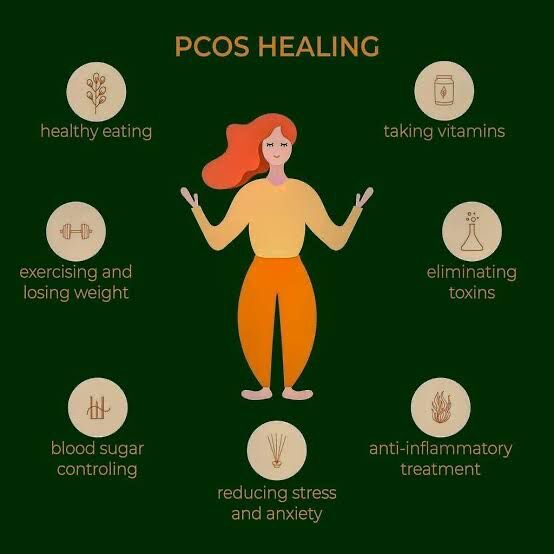
Lifestyle changes and diet plans to treat pcos as recommended by most nutritionists are:
- Loss of 5-10% body weight if you have a BMI in the higher range
- Following a Mediterranean style diet(rich in vegetables, fruits, whole-grains and heart-healthy fats)
- Diet with low glycemic index(how fast a food raises blood sugar after ingesting it) which include complex carbohydrates
- Pairing carbohydrates with proteins and healthy-fats
- Omega 3s(sources-oily fish/supplements) to help with inflammation
- Inositol supplements for blood sugar regulation and regular menstrual cycles
- Vitamin D rich sources(fatty fish, egg yolk, yogurt, breakfast cereals)
- Exercise, especially strength training which will lead to increased muscle mass. This is important because muscles act as glucose sponge in our body.
- Fasted exercise is not recommended(exercising after fasting for 8-12 hours)
When to seek professional help?
It is recommended to schedule an appointment an appointment with an OB-GYN specialist if you experience the following signs:
- Irregular or absent periods
- Signs for excess androgens(excessive hair growth, persistent acne, thinning hair on the scalp)
- Difficulty getting pregnant
- Sudden or unexplained variations in body weight
- Other physical changes( darkening of skin especially in the folds of the neck, armpits and groin)
PCOS isn’t the end of the story
“A pcos diagnosis doesn’t define you – it’s simply one part of your health journey”
PCOS isn’t a finished line or flaw to fix-it’s a conversation with your body, one that takes patience and listening. There’s no single right way to manage PCOS-only what feels sustainable and supportive for you.
Healing doesn’t arrive all at once and it doesn’t have to look perfect. Somedays will feel lighter, others heavier and both are a part of the same journey. What matters the most is remembering that you are not broken, you’re learning your rhythm one step at a time.