

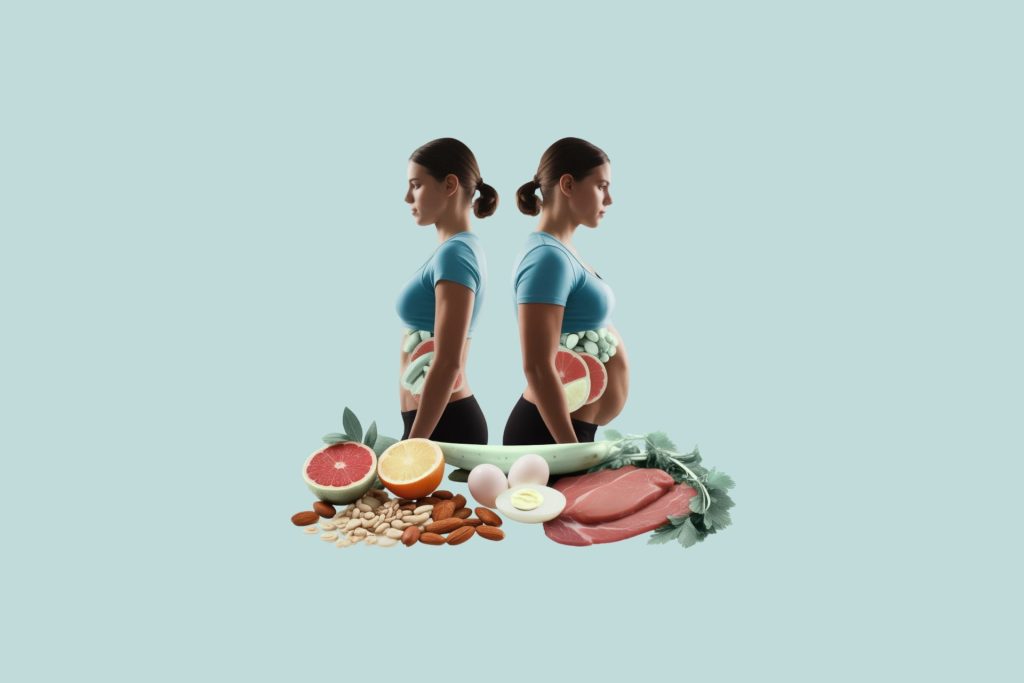
“I eat all the time, but I still don’t gain weight,” Sounds familiar?
You’re not alone, and you’re not doing anything wrong to feel hesitant about it. For many, gaining weight feels like chasing a shadow, always close, but never quite within reach.
It is interesting to note that nearly one in five young adults in India falls into the ‘underweight’ category. Yet, most conversations still revolve around losing weight. The truth is, your body’s struggle to gain is just as valid and deserves just as much care and attention.
Being underweight isn’t just about how you look in the mirror; it can impact your immunity, energy levels, mood , and even fertility. But here’s the good news: your body wants to grow; it just needs the right fuel and rhythm to do so. Think of healthy weight gain as rebuilding a house, brick by brick; every meal, every snack, every bite becomes a step toward strength.
But First, Why Are You Underweight?
Before you start eating more, pause and understand why your body is underweight. It might be due to a fast metabolism, irregular meals, or frequent skipping of breakfast — all of which make it hard to stay in a calorie surplus. For others, being underweight can stem from nutrient deficiencies, poor appetite, or stress-related eating patterns that alters appetite. Less commonly, it may be linked to digestive issues (like malabsorption), hormonal imbalances such as hyperthyroidism, or underlying medical conditions that prevent proper nutrient uptake or increase energy expenditure.
BMI, or Body Mass Index, is a simple way to see if your weight is in a healthy range for your height. It’s calculated using your weight and height, and helps identify whether you’re underweight, healthy, overweight, or obese. Think of it as a quick check-up number, not a full measure of your health.
Clinically, underweight means a BMI below 18.5, or weighing 15–20% less than average for your age and height. But remember, this isn’t about chasing numbers; it’s about feeling strong, balanced, and good about yourself.
THE DO’S: GAIN SMART, NOT FAST
1. Eat More and More Often
Gaining weight should be a gradual process.
Calories are the units of energy your body gets from the food and drinks you consume. Every bite you take fuels your body. So, start by adding 300–500 extra calories a day to your diet. ()
Why the wait? Pick up the pen and quickly calculate your energy intake by totalling the calories of your diet on a daily basis (24-hour recall method).
But remember not to rush! Sudden overfeeding can cause bloating, indigestion, or restlessness. Try to eat five to six smaller meals instead of three large ones. Even when you’re not hungry, plan your eating schedule, set reminders every 2–3 hours. Stock up on healthy snacks you enjoy, like yoghurt, nuts, or rice pudding, to make eating feel less like a task.
Interestingly, people who eat every 2–3 hours end up consuming up to 30% more calories naturally, without feeling stuffed. ()
2. Choose Nutrient-Rich Foods
Calories matter, but quality calories matter more. Choose foods packed with both nutrients and energy:
- Whole grains, fruits, and vegetables
- Dairy products like milk, yoghurt, cheese, paneer
- Nuts, seeds, and avocados
- Protein sources like soya, tofu, beans, lentils, eggs, fish, and lean meat (rich in protein, less fat)
A balanced plate that includes carbohydrates, proteins, and healthy fats fuels your body for muscle growth and tissue repair. Eat for purpose, not just fullness. Consulting a dietitian can help you find your goal-oriented calorie range.
3. Add “Healthy Extras” to Everything
Even small additions can add 100–200 healthy calories effortlessly. Boost the calorie value of your meals with small, nutrient-dense additions like:
- Add cheese to sandwiches, parathas, dosas, omelettes, and salads.
- Spread peanut or almond butter on toast or fruits.
- Mix dry milk powder into soups, cereals, or mashed potatoes.
- Garnish with seeds, nuts, or olive oil for healthy fats.
- You can even make oatmeal with milk instead of water and top it with honey or dried fruit for extra energy.
4. Sip Your Calories Wisely
Drinks can fill you up quickly, so timing is key. Avoid consuming large amounts of water right before meals. Instead, sip fluids between meals — like milk, fresh juices, or smoothies made with fruits, yogurt, oats, and nut butter. Replace toned milk with full-fat or high-fat milk, which contains 65-70 kcal per 100ml compared to 58-60 kcal in toned milk.
Although sugary sodas and chocolate drinks are high in calories, they are not ideal for healthy weight gain. Most of their calories are empty, that is, they provide energy without important nutrients like proteins, vitamins, or minerals. Your body needs nutrient-rich calories to build muscle and stay healthy. The sugar causes quick energy bursts followed by crashes, which can leave you tired and affect appetite for real meals.
5. Move to Gain — Exercise Builds Muscle
Exercise, especially weight training, resistance workouts, or yoga, helps channel those extra calories into lean muscle rather than fat. It strengthens bones, tones muscles, and improves overall stamina. Regular movement also boosts appetite and improves digestion, making it easier to eat more nutrient-rich foods without discomfort. Think of exercise not just as a calorie burner, but as a growth stimulator; it tells your body, “Build strength, build mass!”
Plus, exercise enhances blood flow, supports hormonal balance, and promotes better sleep, all key factors in healthy weight gain. By combining movement with a calorie-rich, nutrient-dense diet, you give your body the tools it needs to grow stronger and healthier, turning your weight gain journey into a sustainable, long-term win.
6. Prioritize Protein: It Builds Power
Protein is the cornerstone of healthy weight gain. It helps repair tissues and build muscle mass. Include soya, eggs, lentils (dal), sprouts, paneer, chana, rajma, moong, lean meats, pulses, or fish in your diet. Traditional Indian dishes like paneer bhurji, chole, dal tadka, rajma curry, egg curry, or fish fry are excellent ways to get high-quality protein. Try having a small serving of protein before and after exercise to support muscle recovery and growth, for example, a glass of milk with a boiled egg or a bowl of dal with chapati.
But avoid excessive protein! Consuming vast amounts will speed up muscle gain but can cause bloating, indigestion, and can even strain your kidneys, and even red and painful greater toe (gout). The key is to eat moderate amounts of protein along with a balanced diet and plenty of fluids.
7. Hydrate to Gain
Even though water doesn’t add calories, it plays a crucial role in supporting weight gain. Proper hydration helps your body digest food efficiently and absorb nutrients, ensuring that the proteins, carbs, and fats you eat are effectively used to build muscle and energy. Water also keeps your muscles full and energized, making workouts more productive and helping extra calories turn into lean muscle rather than fat. Staying hydrated prevents fatigue and keeps your appetite steady, so you can comfortably consume the nutrient-rich meals and snacks needed for weight gain. A simple rule: sip water throughout the day, but avoid drinking too much right before meals, so you leave space for calorie-dense foods that fuel your growth journey.
The Don’ts: Avoid Shortcuts
Cold Drinks & Sugary Beverages
They give empty calories leading to sugar spikes, fatigue, and belly fat. You’ll gain numbers which can be quickly lost. Most of the calories in these foods are empty, meaning they give energy but little to no protein, vitamins, or minerals. Your body needs nutrient-dense calories to build muscle and stay healthy. Plus, the sugar causes quick energy spikes followed by crashes, leaving you tired and less hungry for real, nourishing meals as explained in the above section.
Junk & Street Food
Tasty? Yes, Nutritious? No.
Street food fried in reused oil might give quick results but mostly leads to nausea, diarrhoea, bloating, and central obesity. Choose home-cooked freshness over temporary fullness.
Ghee Shots
Drinking ghee in large amounts won’t make you stronger. It can upset digestion, raise cholesterol, and over time may affect general and mental health. Use it wisely, drizzle it on food, don’t gulp it.
- Impact on blood vessels: High intake of saturated fats can raise cholesterol and clog blood vessels, including those supplying the brain, which may impair cognitive function over time.
- Inflammation: Excess ghee can promote systemic inflammation, which studies link to mood disorders and cognitive decline.
- Indirect mental effects: Poor diet habits associated with excessive ghee intake (low in nutrients, high in fat) can contribute to fatigue, irritability, and even anxiety over time.
Avoid Relying on Herbal or “Quick-Fix” Medicines for Weight Gain
There’s no magic pill for healthy weight gain. Many herbal supplements promise fast results but lack scientific evidence and may even cause side effects. Focus on real, nutrient-rich foods, consistent meals, and exercise — that’s the safe and effective way to build weight and muscle.
LIFESTYLE TWEAKS THAT MAKE THE DIFFERENCE
- Eat even when you’re not hungry — your body will adapt.
- Keep healthy snacks where you can see them — it’s psychology and science.
- Expect mild bloating or gas — your body’s learning to handle more.
- Track your meals for a week — you’ll likely find you’re eating less than you think.
- Drink fluids after meals, not before — leave space for real food.
- Prioritize sleep: Your body grows and repairs muscles while you rest, so aim for 7–8 hours of quality sleep.
- Stay consistent: Weight gain is gradual; small daily habits add up over weeks.
- Make meals enjoyable: Experiment with flavours, textures, and spices — you’ll eat more if food tastes good.
You can also track your calorie intake using a food or kilojoule counter to ensure you’re truly eating enough.
When to Seek Help?
If appetite loss, sudden weight drops, or digestive issues persist, speak to a nutritionist. Sometimes, medical issues or hormonal imbalances need addressing first.
GROW STRONG, NOT JUST BIG!
Healthy weight gain involves nourishing your body with essential nutrients, not just overeating. The goal is to gain vitality, confidence, and stamina, not just weight. Each meal is a promise to heal, grow, and perform better.
“Missing a day won’t wipe out your progress — giving up will. Keep going, consistency beats setbacks.”
Remember, your journey is unique. Go slow, be kind to yourself, and celebrate progress, not perfection. Weight gain is a gradual process, not a sprint. Focus on strength, appetite, and energy, not just the scale. With the right food, exercise, and patience, you’ll gain weight and well-being. Your body needs better fuel, not just more food. Discipline is the key to achieving results.