
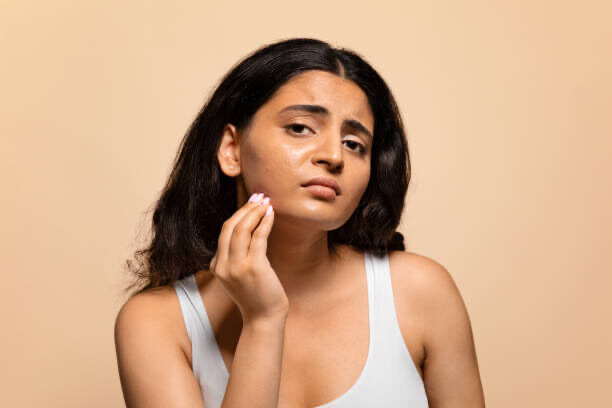
You’re ready to step out, feeling excited — until a glance in the mirror changes everything. A new pimple, right in the middle of your face. Suddenly, you don’t feel like going out anymore.
Sound familiar? You’re not alone.
Acne in Your Teens: What’s Really Going On With Your Skin?
Acne is one of the most common skin conditions faced by adolescents worldwide. Although it’s often dismissed as ‘just a phase’, it can have a significant impact on your confidence and everyday life.
Let’s break it down step by step.
What is acne?
Acne is a common skin condition in which the hair follicles in your skin get clogged by sebum (oil) and dead skin cells.
Why do you get acne?
During adolescence, a lot of hormonal fluctuations take place in your body. These hormones lead to the following changes in your skin:
- Overproduction of sebum (oil) Hormones like testosterone cause the sebaceous glands (oil-producing glands) in the skin to enlarge and produce excess sebum.
- Clogged hair follicles (Comedone formation) The excess sebum mixes with dead skin cells, and both substances form a plug in the follicle.
- Bacterial involvement Harmless bacteria that live on the skin can then start to multiply within the plugged pores.
- Inflammation (swelling) Your body’s immune system responds to the trapped oil, bacteria, and dead cells. As a result, it causes swelling, redness, and pain — which you notice as pimples on your skin.
Triggers of acne
While those are the causes of acne, there are several factors that can worsen your acne and trigger breakouts. These include:
- Genetics – Research has shown that familial history may have an impact on acne. If your parents had severe acne, your risk of having acne breakouts may be higher.
- Stress – Although stress doesn’t directly cause acne, it can worsen existing acne as it increases hormones like cortisol in the blood. These boost oil production and inflammation.
- Medication – Certain medicines are known to worsen acne. This includes lithium, corticosteroids, and drugs used to treat epilepsy
- Diet– Some studies show that excessive consumption of high glycemic foods (foods that raise your blood sugar rapidly) can trigger acne. Examples include white bread, white rice, and foods made of maida.
- Other medical conditions– Certain hormonal conditions, such as polycystic ovary syndrome (PCOS), lead to acne.
Does acne always look the same?
If you have acne, you may see the following types of breakouts on your skin, commonly on the face, chest, or back. Acne usually starts at stage 1 and may progress further when left untreated.
Stage 1: Comedonal acne (Blackheads and Whiteheads)
Stage 2: Papules
Stage 3: Pustules
Stage 4: Nodules or cysts
Papules, pustules, nodules, and cysts are of inflammatory type, while blackheads and whiteheads are non-inflammatory.
- Blackheads (Open comedones):
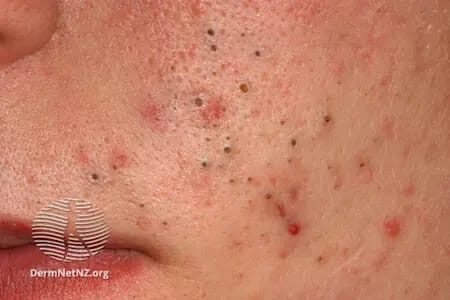
- Appearance: Small, dark, or black bumps
- Key feature: The pores remain open at the surface
- Whiteheads (closed comedones):
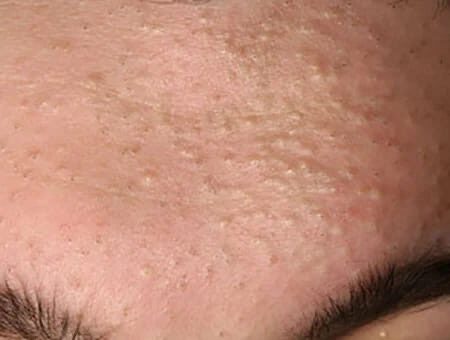
- Appearance: Small whitish or skin colored bumps
- Key feature: The opening of the pore is closed
- Papules
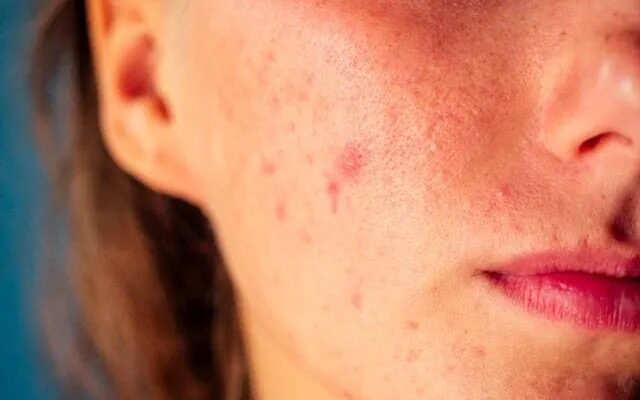
- Appearance: Small red bumps or spots on the skin
- Key feature: The clogged pores are inflamed and may feel sore or painful
- Pustules:
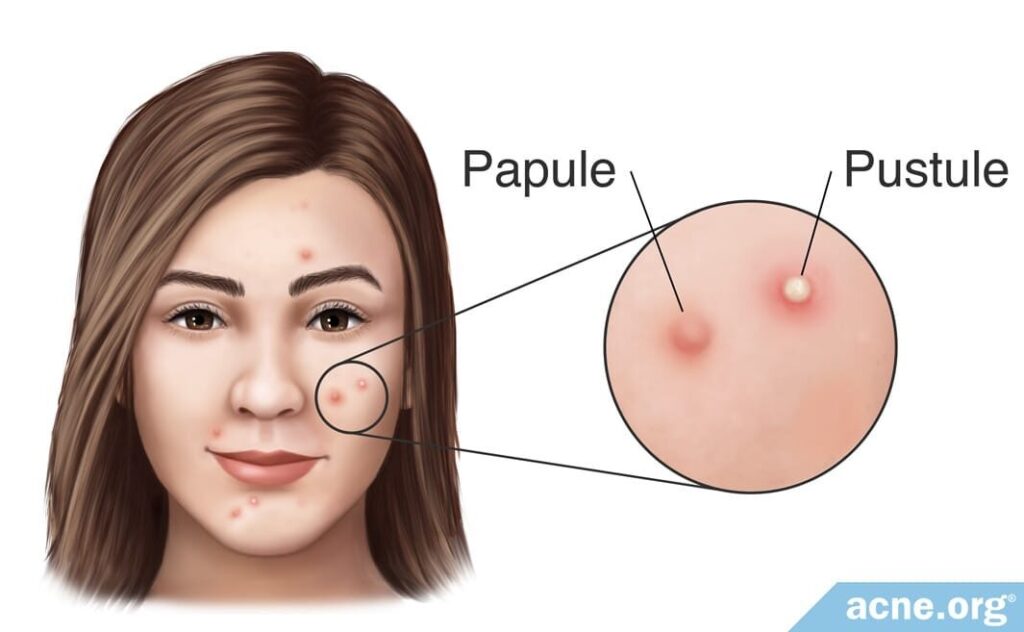
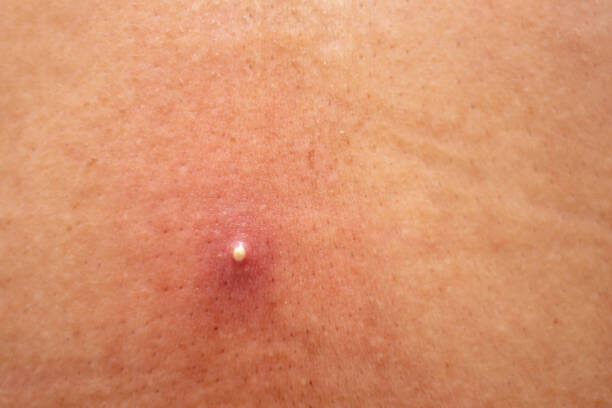
- When the papules are filled with pus, they’re called pustules.
- Appearance: Red at the base, with a yellow pus- filled center
Papules and pustules are commonly referred to as pimples
You’ll commonly see the above types of breakouts- whiteheads, blackheads, papules, and pustules on your skin when you have acne.
However, sometimes your acne may look like this.
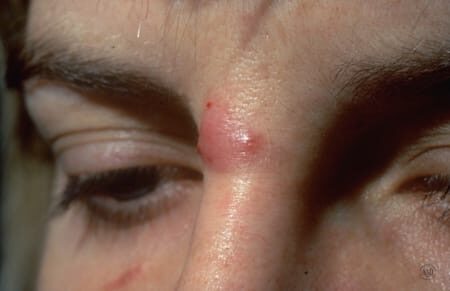
These are the cystic/nodular type of acne, which feels like hard lumps on your skin and can be very painful. It’s crucial to consult a dermatologist in such cases.
How to manage acne?
Since acne is mainly caused by hormones, there’s no way to completely rid your skin of it. However, you can take steps to manage acne and prevent worsening of the breakouts.
Do’s — What You Should Do
- Wash your face gently with a mild cleanser once or twice a day. This helps remove excess oil and dead skin cells without irritating the skin.
- Wash your face after sweating— such as after workouts or exercise.
- Use cosmetics labeled “non-comedogenic” or “oil-free”. This includes moisturizers, sunscreen, and makeup products, so they’re less likely to clog pores.
- Wash and shampoo your hair more often if it’s oily and keep it away from your face and forehead.
Don’ts — What You Should Avoid
- Don’t pick, pop, squeeze, or scratch pimples. This increases inflammation.
- Don’t scrub your skin with rough cloths or brushes. This can irritate the skin, making acne worse.
- Don’t use harsh astringents, alcohol-based toners, or abrasive products— as these can further dry and inflame the skin.
- Do not sleep in your makeup, even if it’s non-comedogenic, or share makeup brushes and applicators.
- Do not wash your face several times a day.
- Do not self-medicate. Using the wrong medication can sometimes lead to the development of antibiotic-resistant acne, which is more difficult to treat.
- Do not touch your acne constantly.
Acne myths-what is actually true?
You hear a lot of things when you first get acne— about its triggers, home remedies, and tips for clearer skin. But how much is actually true?
Let’s debunk some common acne myths.
- Myth: Reduced water intake causes acne.
Fact: There is no link between acne and water intake.
- Myth: Acne increases when you’re constipated.
Fact: Bowel habits are not related to acne.
- Myth: Scrubbing your face will clear acne.
Fact: Scrubbing irritates the skin, causing further inflammation.
- Myth: Dandruff falling on the face triggers acne.
Fact: Dandruff is mainly a fungal infection while acne is bacterial, so the two are unrelated.
- Myth: Applying toothpaste or saliva can clear up pimples.
Fact: Toothpaste and other household items are not safe on your skin, as the fluorides can worsen acne. Saliva doesn’t aid in clearing up acne either.
- Myth: Oily foods cause acne.
Fact: High glycemic foods are known to trigger acne, but oily foods play no role in this.
When Acne Leaves a Mark
Scars that form after acne clears are called acne scars. Not every acne breakout causes a scar, and not all scars are permanent. Deep, painful acne like nodules and cysts are more likely to leave scars.
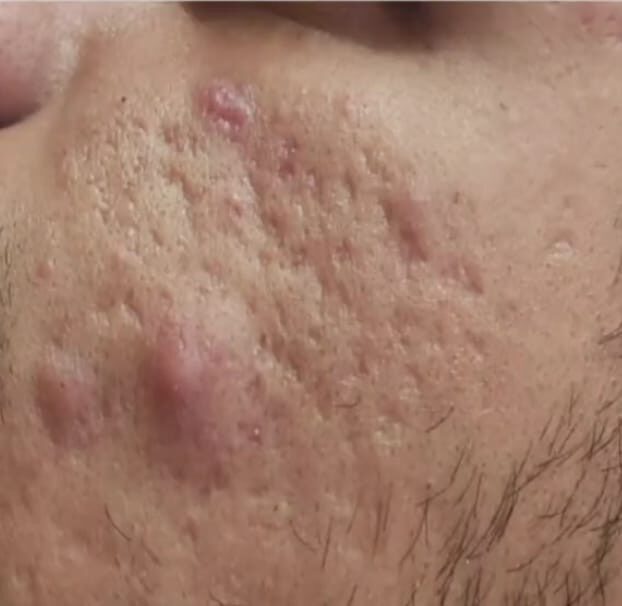
Can you prevent scars?
- Here’s what you should do to reduce the risk of acne scars:
- Never pick, pop, scratch, or squeeze breakouts.
- Do not touch your acne constantly.
- Treat acne early by consulting a dermatologist and continue treatment consistently.
Consulting a dermatologist
You may think acne is a common rite of passage for teens, and there’s no need to consult a dermatologist. Or you may believe your acne’s not serious enough to see a doctor for it.
The truth is you will benefit from consulting a dermatologist early irrespective of the severity of your acne.
Why you should consult a dermatologist
Acne always bears the risk of scarring. Although some marks can clear up on their own over time, some marks tend to remain on your skin well into your adult years and form permanent scars.
Moreover, acne can take its toll on your mental health. You may feel embarrassed when going out, or be anxious about how others view you. You may choose to avoid social interactions and feel depressed. The resulting mental distress can ultimately worsen your acne.
A dermatologist will tailor their treatment to:
- Clear your existing acne.
- Prevent new breakouts.
- Prevent scarring and pigmentation.
- Educate you on healthy skincare practices.
- Help build your confidence and self-image.
This will not only manage your acne effectively, but also instill a personal sense of beauty and comfort in your own skin.
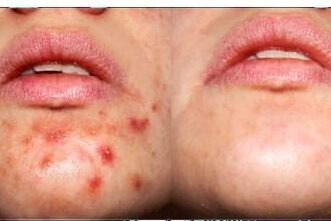
After Breakouts: Hope, help, and healing
Acne often impacts more than just your skin. Breakouts can affect your body image and sense of beauty, leading you to withdraw socially.
The good news is that acne is highly treatable. Most people see improvement and prevent scarring with good skincare habits and early treatment. If acne is causing you emotional distress or affecting daily life, seeking help—from a dermatologist, or healthcare professional—is a crucial and positive step.
It’s important to remember that acne does not define your worth. It is temporary, manageable, and shared by millions of teens worldwide. You can achieve both healthy skin and confidence with the right care and support.