
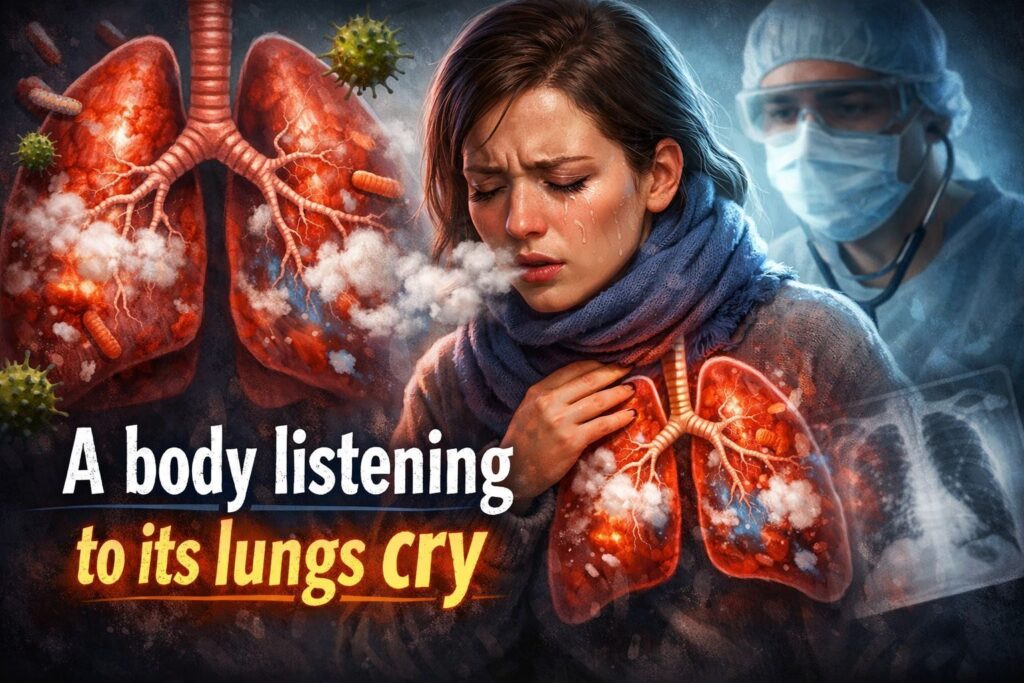
We breathe over more than 20,000 times a day, yet we often forget the organs that make every single breath possible. Breathing is something we rarely think about- until it becomes dificult. When lungs are healthy, breathing feels effortless. When they aren’t ,even simple activities becomes a struggle.
That is why caring for our lungs is not a choice- it is a necessity. Because every breath matters , what is often dismissed as a minor cough and cold may actually represent the onset of severe lung infection. Features that seem harmless at first can quickly progress when the lungs are affected.
One such infectious killer is Pneumonia, affecting people of all ages. Claiming more lives of children under five, posing a serious threat to older people and those with chronic health conditions.When left unrecognised, it can turn breathing, the most basic act of life, into a daily struggle. This is why early recognition and timely care are crucial.
Across the world, it continues its quiet assault. Every year, it affects millions, leaving families unware until it is too late. In India alone, an estimated 3.6 – 4 million children suffer from Pneumonia each year, and nearly 3.5 lakh lives are lost.
What is Pneumonia?
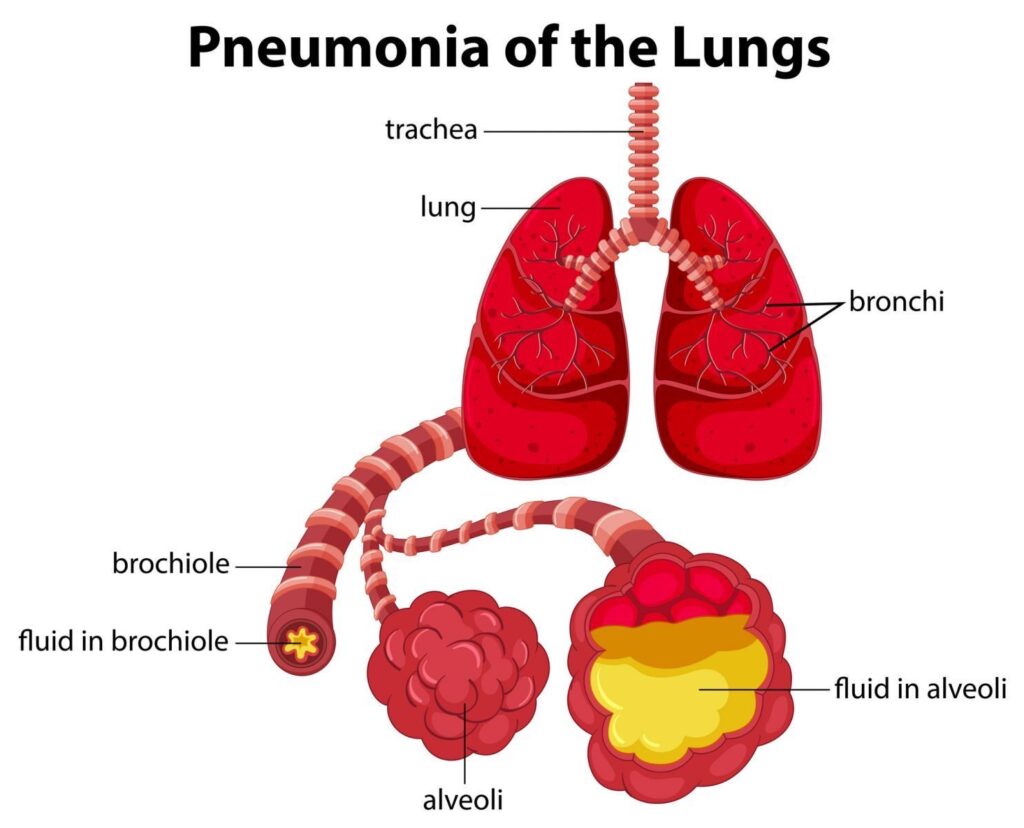
It is an infection of lungs (respiratory) caused by one or more pathogens (microorganisms). Our lungs are made up of millions of tiny sacs called alveoli (small balloon like sacs) ,that fill with air everytime we breathe. When a person gets pneumonia, these sacs gets filled with pus and fluid instead of air, which makes breathing painful and limits oxygen intake.
Why some people fall sick more easily?
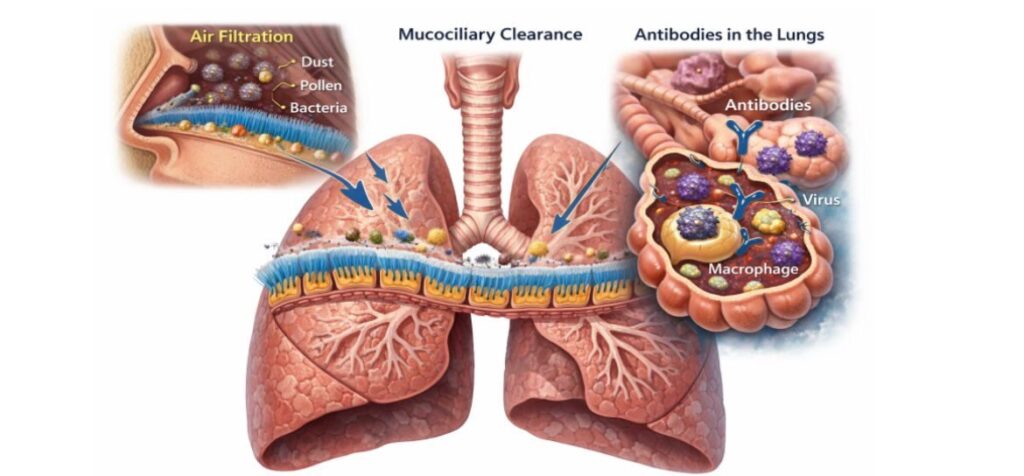
Normally lungs are well protected and are free of these germs. Every breath we take first passes through nose ,where tiny hairs and moisture act like a filter, trapping dust and germs. As air travels deeper, airways quietly clean themselves, sweeping away anything harmful before it reaches our lungs. Body also has tiny defenders – antibodies- which are ready to fight against microbes that has managed to sneaked in.
But, sometimes these defenses become weak.That is when we are susceptible to get Pneumonia.
Who are all at risk of developing the disease?
- Children –their immune system are not fully developed to fight against these germs. If a child is malnourished or not exclusively breastfed, their natural protection is weaker. For them a simple cough can turn into something more serious.
- Smokers – with every cigarette puffs’, lung’s natural defence system is slowly damaged, making it easier for germs to enter and cause infection.
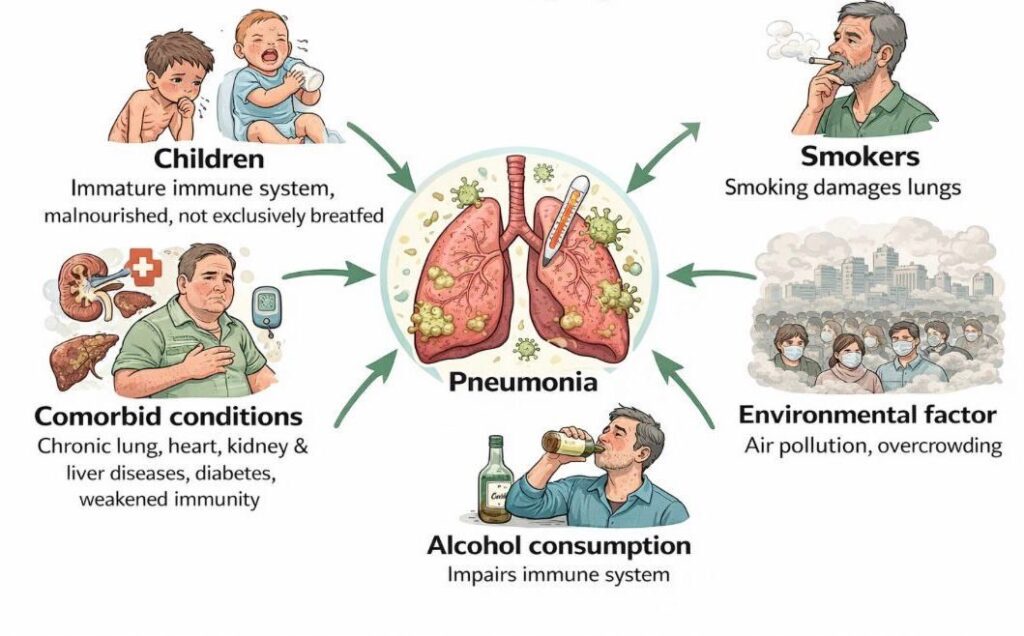
- Comorbid conditions – includes long standing (chronic) lung, heart, kidney and liver diseases, diabetes mellitus and those with weakened immune system (immunosuppresed state). Their bodies are already under stress, and pneumonia takes advantage of this weakness, hitting harder and faster.
- Alcohol consumption- Those who consume alcohol regularly , their body’s ability to fight against infection will be weakened. Making it easier for germs to settle deep inside the lungs without being cleared.
- Environmental factor – exposure to air pollution, especially indoor pollution (smoke ,gases or dust build up inside home) impairs the function of defence system. Pneumonia finds it way more easily in families where there is prevalence of overcrowding.
One disease, many disguises:
There are different forms of Pneumonia
- Community Acquired Pneumonia –Pneumonia doesn’t always arrive in the same way. For many of us, it begins quietly in everyday life- outside hospital, during our normal routines. We might catch it in our community, at home, at workplace, or even while travelling. In all these cases, the infection becomes noticeable within the first couple of days after hospital admission.
- Hospital acquired Pneumonia – For some, it becomes an unexpected complication during a hospital stay. It is not something they walked in with, but something that develops after admitted for another illness.
- Aspiration Pneumonia– In some people who are unconscious, or very ill, accidently inhales saliva or stomach content instead of air, into lungs. These foreign materials irritate the airways and set off an infection.
- Ventilator- associated Pneumonia –For a patient who is placed on a ventilator ,a life saving machine, can act as a gateway for germs to enter the lungs.Within a couple of days after being put on these machines, an infection may develop.
Is Pneumonia Contagious?
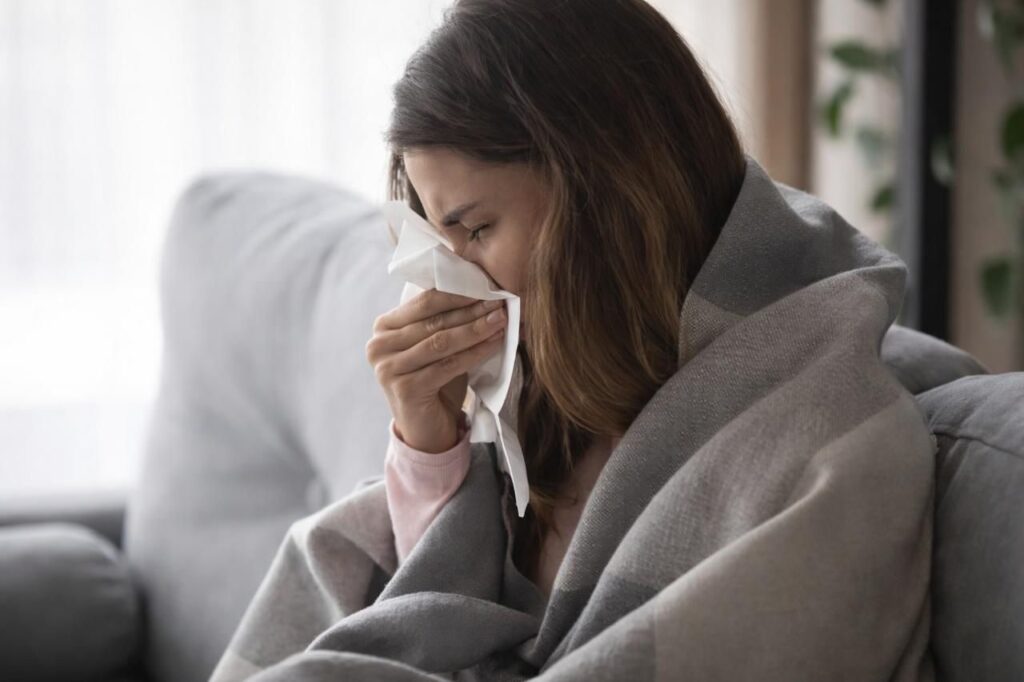
Yes! It can spread from one person to another as it is passed-on (transmitted) through air-borne droplets by cough or sneeze. But not always , as in aspiration pneumonia.
Signs your lungs are in trouble:
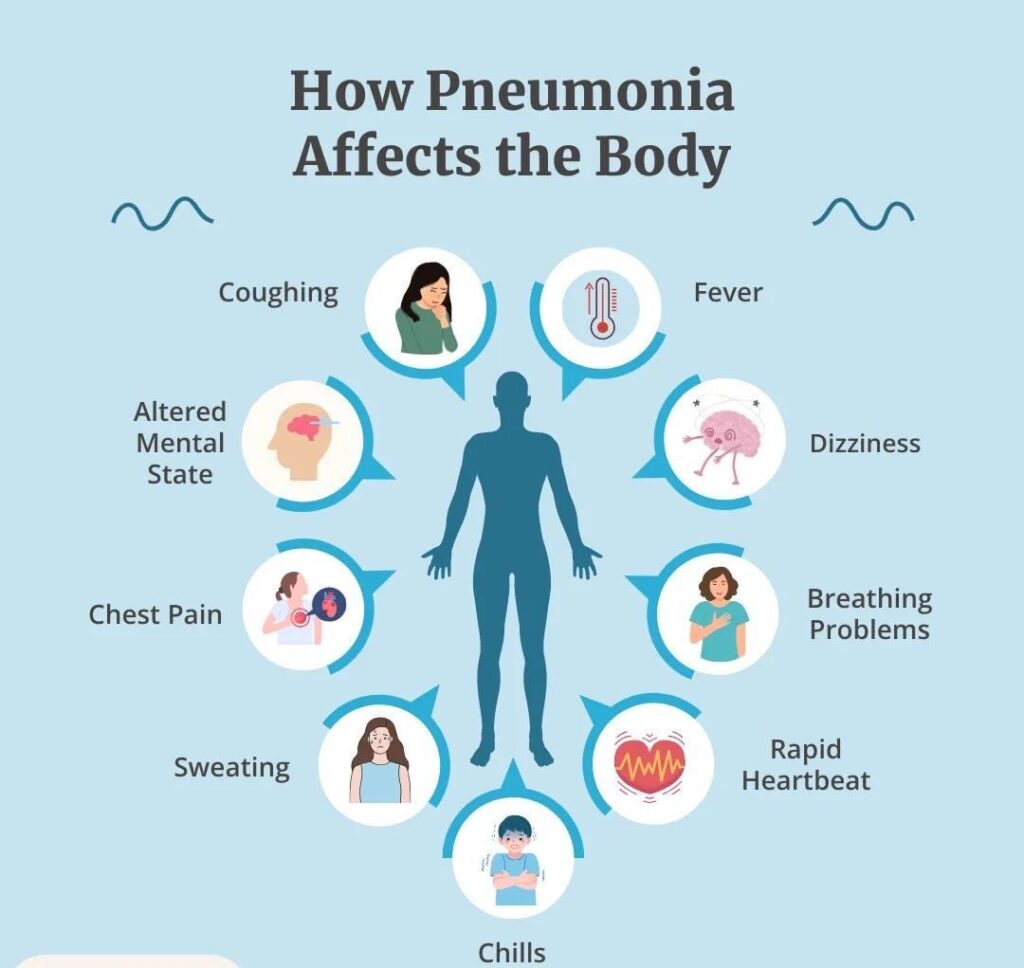
In children –
- Cough with / without fever
- Difficulty in breathing / Fast breathing
- Difficulty in feeding or poor sucking
- Lethargy /irritability / excessive crying
- Chest retractions while breathing (chest goes in while breathing instead of moving out).
In Adults –
- High grade fever with chills.
- Cough with sputum, occasionally have hemoptysis (coughing up of blood)
- Difficulty in breathing
- Sharp chest pain that increases on breathing or coughing
- Generalised weakeness, Confusion (especially in elderly ).
Can pneumonia be cured?
Yes! It is curable in most cases, but it requires early detection and proper treatment. There’s no single solution for pneumonia, treatment varies based on symptoms and the type of microbe causing it.
Mild and moderate pneumonias (individual is stable but slight breathing trouble) are treated with oral antibiotics ( medications designed to combat bacterial infections) , and supportive care (such as rest, hydration, pain relievers, cough suppressants).Those with severe pneumonia may need to be hospitalized.
The Paradox of progress: Rising cases despite effective treatment
There are several factors which fuelled the rise in cases, including changing seasonal trends and fluctuating air quality. Delayed diagnosis is yet another challenge as early features are often ignored until they become severe.Reduced uptake of key vaccines, increasing susceptibility in both elderly and young children even more.
What happens if it’s left untreated ?
Pneumonia can lead to serious, life-threatening complications (dangering life) which include :
- Bacteremia (blood infection)
- Pleural effusion(fluid around the lungs)
- Lung abscess ( hole in the lung,filled with pus)
- Acute respiratory distress (where lungs cannot supply enough oxygen to the body).
Simple steps to protect yourself and others –
- Vaccination : vaccines can help prevent pneumonia caused by bacteria or virus, but not all cases. However those who are vaccinated have fewer complications and mild infection.
1.Pneumococcal vaccine –
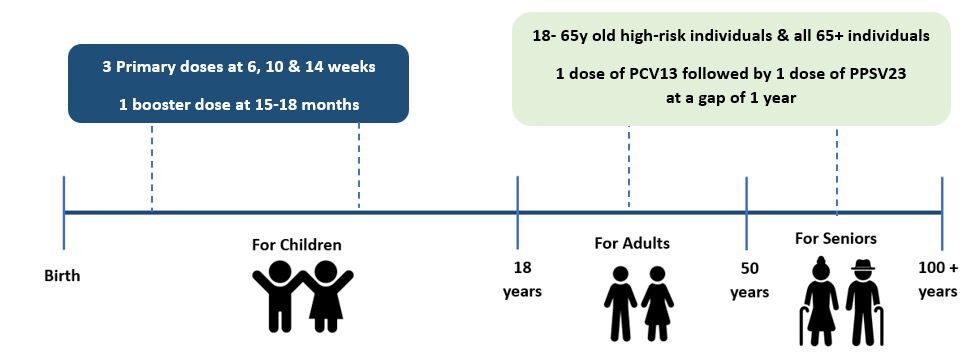
PCV13 ( pneumococcal Conjugate Vaccine 13-valent)
PPSV23( Pneumococcal Polysaccharide Vaccine 23-valent)
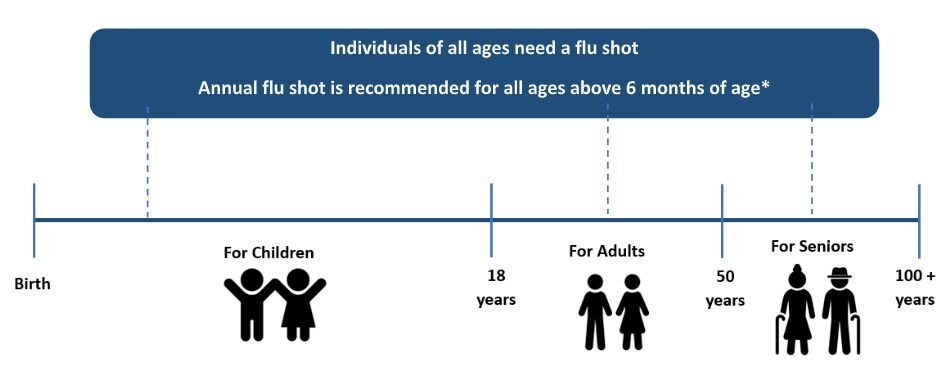
2.Flu vaccine – Yearly Flu vaccine can help prevent pneumonia caused by the Flu virus. Its best taken during pre- monsoon period
- Other ways –
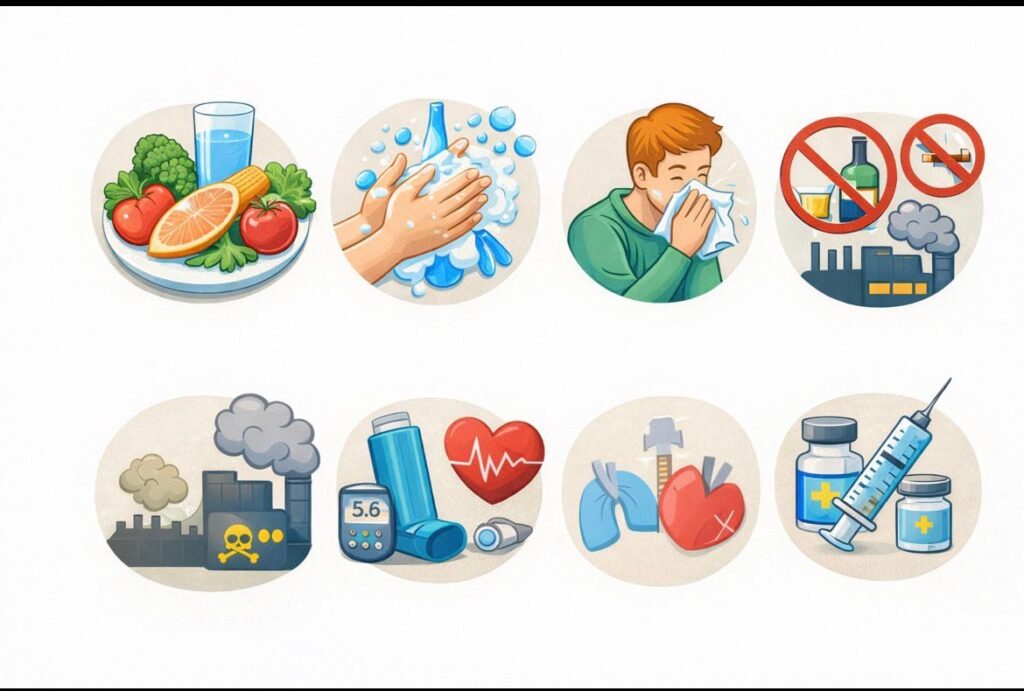
- Adopt to healthy lifestyle practices such as consuming balanced diet, regular physical activity,getting enough rest.
- Washing your hands regularly.
- Coughing or sneezing into a tissue or into your elbow.
- Quit smoking and avoid alcohol consumption.
- Reduce exposure to haramful chemicals or pollution.
- Take care of existing health ocnditions such as asthma, diabetes and heart diseases.
- Staying up-to-date on your vaccinations.
Take away message :
Pneumonia never announces itself as an emergency. It begins as a cough which we ignore, a fever we miss to watch, a night when breathing feels a little heavier than before. We often tell ourself it will pass and become ignorant. The longer it is ignored, the stronger it becomes.
But unlike many killers, Pneumonia is preventable and treatable- if caught early. Awareness is our strongest weapon, because when it comes to pneumonia, recognizing the danger early can mean the difference between life and death.
Key messagge: “Awareness combined with prevention is the strongest defense against Pneumonia”
REFERENCES –
- Pneumonia -World health organisation https://www.who.int/health-topics/pneumonia/
- Pneumonia prevention and control – CDC https://www.cdc.gov/pneumonia/prevention/index.html
- Pneumococcal vaccination -INVC https://invc.co.in/pneumococcal-vaccination/india
- Park’s textbook of preventive and social medicine 28th edition
- Robbins & kumar basic pathology 11th edition
- Ghai essential Pediatrics 10th edition