

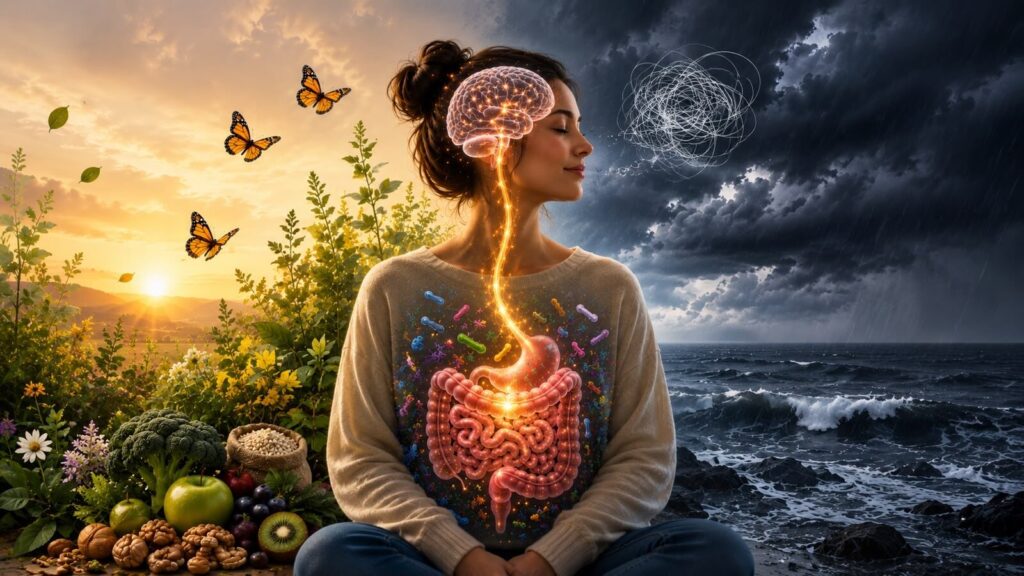
Have you ever felt low or lazy during a stomach upset? That’s because your gut and brain are closely connected. They communicate with each other by sending signals back and forth. Keeping your gut healthy can improve not just your digestion, but also your mood and mental well-being. This article explains the relationship between the brain and the gut and the ways to strengthen this connection.
What is a Gut-Brain axis:-
The gut-brain axis refers to the bidirectional communication between the brain and the gut. The gut immune system, hormones, and the enteric nervous system play a major role in regulating and maintaining this connection. The enteric nervous system is a complex network of over 100 million neurons. The enteric nervous system is called the second brain due to its complex neural network. This complex neural network communicates with the central nervous system mainly through the vagus nerve. It is a part of the autonomic nervous system and helps regulate the functions of the gut. It functions independently, but its activity is regulated by the central nervous system. For example, the enteric nervous system controls digestion. When a person is under stress, the digestion slows down.
The bidirectional communication between the brain and the gut plays a crucial role in regulating mood, behavior, hunger, and food cravings. When this coordination is disrupted, it can negatively impact both gut health and mental well-being. Mental health conditions like stress, depression, and anxiety can disrupt gut function. Likewise, gut disorders like irritable bowel syndrome (IBS), increased intestinal permeability, and food intolerances may contribute to changes in mood and mental well-being. So learning about gut health and mental health matters.
What is gut health and why does it matter?
The gut microbiome houses over 1000 species of microorganisms, including bacteria, viruses and fungi. These organisms are essential for maintaining gut health and also help in vitamin production. Approximately 70-80% of the body’s immune cells are located in the gut-associated lymphoid tissue (GALT). A healthy gut helps in proper digestion of food and absorption of nutrients.
| Signs of good gut health | Signs of poor gut health |
| ● Regular bowel movements ● Stable mood ● Clear skin ● Mental clarity ● Strong immune system ● High energy levels ● Stable weight | ● Bloating ● Constipation ● Heartburn ● Acne ● Sleep disturbances ● Weight changes ● Depression |
Functions of the gut:-
1. Absorption of nutrients:- The gut absorbs the nutrients from food and releases them into the bloodstream. Nutrients are essential for the proper functioning of the body.
2. Synthesis of Vitamins:- The gut synthesizes vitamins such as Vitamin K, which is responsible for blood clotting. It also helps in synthesis of Vitamin B12, which is a key factor required for red blood cell (RBC) production.
3. Protection against infections:- An increased number of beneficial gut bacteria provides immunity and protection against infections.
4. Production of serotonin:- About 90% of the serotonin is produced in the gut. Serotonin helps in mood regulation, maintenance of sleep quality, wound healing.
Mental health and the Importance of healthy mind:-
“Have you ever felt discomfort in your gut when you are stressed?” This is because both the gut and brain are connected. Stress disturbs the balance of good bacteria in the gut. During stress, your body activates the fight or flight response. The blood flow is diverted away from the gut, the digestion slows down. This is the reason for the discomfort,bloating caused due to stress.
Mental health is an underrated topic. Many people think that eating healthy and staying physically fit are the only factors that determine overall well-being. At times, mental health is even more important than that. Mental health problems like depression, anxiety, insomnia have an impact on one’s lifestyle. Disturbances in mental health not only affect thinking abilities and mood but also lead to changes in appetite. People with a low mood tend to consume large amounts of high carbohydrate and high-fat foods, as these can increase dopamine levels and temporarily elevate their mood. This pattern, when repeated, can lead to gut health issues and weight gain.
Regular disturbances in sleep cause a decreased immune response and an imbalance in the diversity of gut bacteria, which leads to digestive issues. So, mental health is a very important thing to be considered.
Here are a few ways to improve your gut health:-
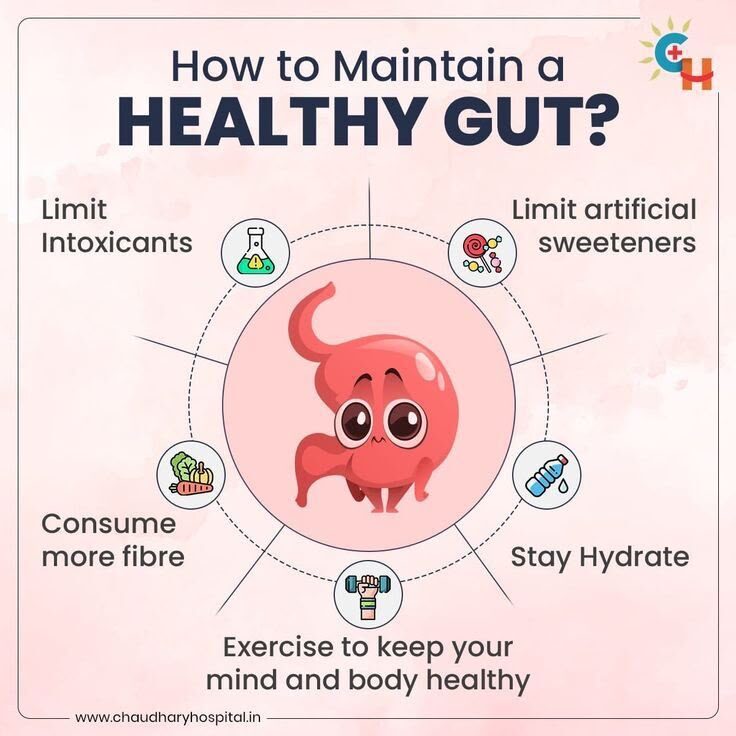
1. Increase fiber intake: An increased intake of dietary fiber promotes the growth of beneficial gut bacteria, which provides anti-inflammatory compounds and help maintain regular bowel movements. Short-chain fatty acids, produced by gut bacteria during fermentation of dietary fiber, help strengthen the gut barrier.
2. Stay hydrated: Regular water intake supports proper digestion and facilitates nutrient absorption. Inadequate water intake can lead to constipation and dehydration related headaches.
3. Include fermented foods: Fermented foods contain probiotics, which on regular consumption can support gut microbiota and may contribute to immune function. It also increases bioavailability of nutrients.
4. Limit processed foods and sugars: Diets high in added sugars can negatively affect beneficial gut bacteria and reduce gut microbial diversity, leading to an imbalance in the gut microbiome.
5. Limit the use of antibiotics: Regular or unnecessary use of antibiotics can kill beneficial gut bacteria. Therefore, antibiotics should only be taken under the supervision of a qualified medical doctor.
6. Avoid smoking and limit alcohol: These habits can cause inflammation and can kill beneficial gut bacteria.
7. Chewing properly: Proper chewing breaks food into smaller particles and mixes it with saliva, helping digestion start in the mouth. It reduces the workload on the stomach and improves nutrient absorption. This supports healthy gut bacteria and prevents bloating or indigestion.
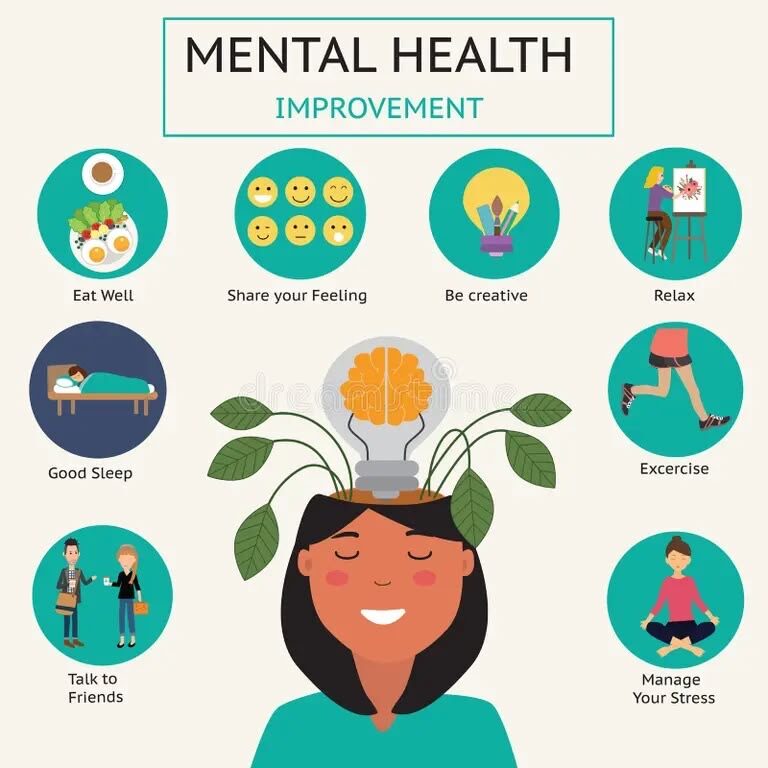
Here are a few ways to improve mental health:-
1. Get morning sunlight: Exposure to 10-15 minutes of morning sunlight helps elevate mood, reduce stress and improve sleep quality by regulating the body’s circadian rhythm. Morning sunlight also helps in the production of vitamin D, which supports immunity and overall health. Regular exposure to sunlight can improve mental well-being and increase energy levels throughout the day.
2. Get adequate sleep: Getting 6-8 hours of sleep daily is important for proper repair and recovery of the body. Good sleep helps reduce stress, improves mood, and supports mental and physical health. Poor sleep can lead to fatigue, irritability, and decreased immunity.
3. Manage stress: Chronic stress increases cortisol levels in the body. Repeated elevation of cortisol can lead to weight gain, disturbed metabolism, and increased risk of health problems such as poor sleep and fatigue.
4. Regular physical activity: When we exercise, the body releases endorphins, which are known as ‘happy hormones’. These hormones help reduce stress, improve mood, and enhance sleep quality. Regular physical activity also helps in weight management and improves blood circulation to all parts of the body.
5. Intake of omega-3 fatty acids: Regular intake of omega-3 fatty acids from foods such as fish, chia seeds and walnuts supports brain development and function and may help in the management of some mental illnesses.
6. Screen time: Increased screen time causes reduced and disturbed sleep. Disturbed sleep leads to low mood and low energy levels. So reducing screen time, especially one hour before going to bed, is found to be very beneficial.
7. Meditation and Yoga: Yoga and meditation helps calm our mind. A calm mind can think clearly.
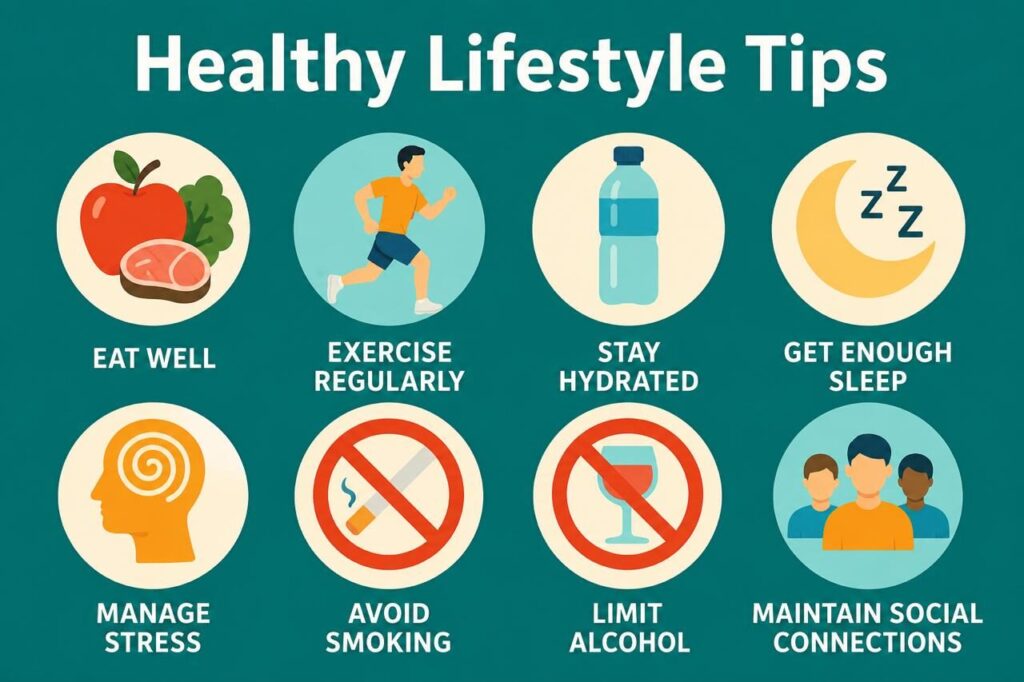
We need to focus on both mental health and gut health. Maintaining a good gut and mental health is important for overall well-being. A balanced diet rich in nutrients such as omega-3 fatty acids, fiber, probiotics, and antioxidants can support healthy brain function and a healthy gut microbiome. Adopting healthy lifestyle habits such as regular exercise, adequate sleep, stress management, and proper nutrition can therefore contribute to both physical and mental wellness.
References:-
1. https://pmc.ncbi.nlm.nih.gov/articles/PMC11438725/
2. https://www.nature.com/articles/s41577-024-01014-8
3. https://my.clevelandclinic.org/health/treatments/14598-probiotics
4. https://www.physio-pedia.com/Enteric_Nervous_System_(ENS)
5. https://www.dreamstime.com/illustration/improve-mental-health.html
6. https://in.pinterest.com/pin/how-to-maintain-a-healthy-gut–680113981245569602/