

Tiredness, lethargy, laziness, burnout, crash, inertia. There are many words to describe a state where people are overcome by an inability to make expected progress in tasks. In a society that has romanticised busy lives, full schedules, and living by a “work hard, play hard” rulebook, when does fatigue become more than just a call for rest? Chronic fatigue and low energy states are more than just tiredness from exertion. It can be the first sign of an underlying health disturbance.
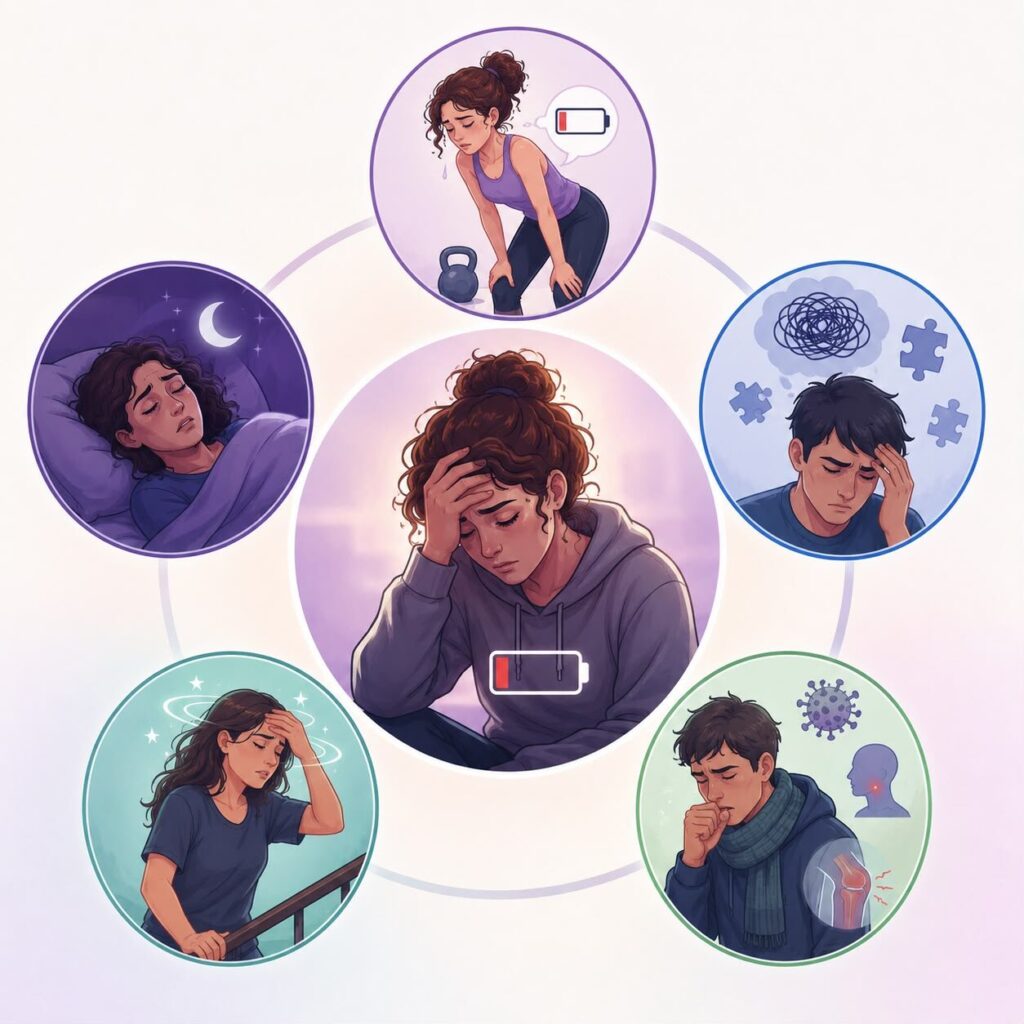
What is it, if not normal?
Myalgic encephalomyelitis, or chronic fatigue syndrome (CFS), is a complex condition characterized by prolonged fatigue for equal to or more than 6 months, which does not relieve with rest but worsens with exertion. In new light, viral infections have been thought to leave CFS as residual disease. But, it is still an unspecific condition and there is no one system or cause to pinpoint and fix. Instead, the approach taken is multidisciplinary (involving the expertise of multiple healthcare departments) and multifaceted.
According to Mayo Clinic and PubMed, the hallmark features of CFS include:
- Post-exertional malaise
- Unrefreshing sleep
- Cognitive dysfunction
- Orthostatic intolerance – “seeing stars” after standing up
- Flu-like symptoms, recurrent infections, and enlarged lymph nodes
- chronic body, joint, or muscle pain unexplainable by injuries or inflammation
What are the possible causes?
This article does not seek to give professional medical advice or a diagnosis. The aim is to talk about the underlying factors which many may not know to affect energy and mood. When informed and educated, it empowers us to make better choices and decisions about health and its care.
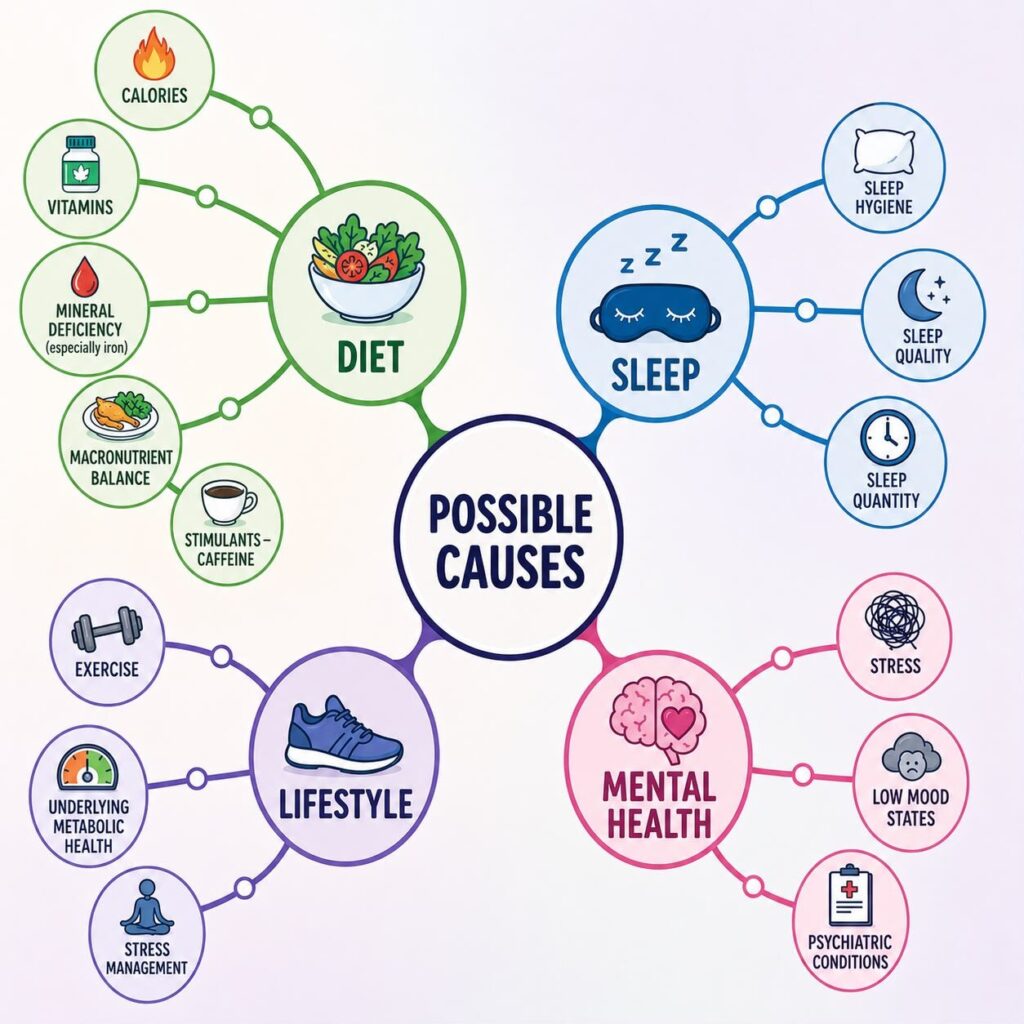
Here is a gist of each contributing factor.
- Diet
- Calories – It is pretty obvious that eating less than needed makes us feel under-fueled. But also, ever noticed how heavy meals make you extremely drowsy? Digesting heavy meals diverts energy and blood flow from the brain and other body parts to the intestines. So, hitting the right calorie range in the right proportions of macronutrients is key. You can calculate your ideal calorie requirement as per your body weight goals using various formulae. One of the simpler and effective methods of calculation is explained in this video by Dr. Jordan Weber.
- Macronutrient balance – Carbohydrates provide immediate energy. Fats act as sustained fuel. Proteins build muscle and promote repair. Fibres help slow the movement of food through the intestine, allowing better nutrient absorption and smoother bowel movements. As amazing as each are alone, it is when they are consumed together in the right proportions that they provide maximal benefits.
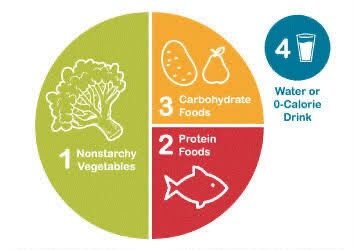
Note that this rule is for an ideal, healthy patient. Diet composition will vary according to age, weight goals, tolerance, and medical conditions. It’s always wise to consult a physician or nutritionist to tailor a meal plan most suited to you.
- Vitamins and Minerals (micronutrients) – So small and invisible, they’re very easy to under-consume. These tiny molecules may not provide direct energy, but they play a vital role in metabolising the macronutrients into usable energy. Amongst the vitamins, the B complex ones are arguably the most contributive to energy. In minerals, India is known for having an iron-deficient population. Correcting these two micros is a great head start on the journey to regaining your vigour.
- Caffeine intake – the world’s favourite stimulant, coffee, creates wakefulness by competing with adenosine (a molecule in the body) to bind to receptors on the brain. When caffeine attaches, it gives signals of alertness and activity. Adenosine triggers drowsiness and sleep. Though blocking adenosine seems like an effective game-plan to ward off tiredness, too much caffeine can in turn cause tiredness. (See this article to learn more about sleeping after coffee.) This could be due to an adenosine rush after the caffeine runs out or the after effect of prolonged excitement caused by it.
- Sleep
- Sleep quantity – 7 to 8 hours of sleep each night is ideal and also extremely hard to get. With busy lifestyles and late night activities, good hours of sleep become difficult to maintain. How much of our sleep is actually restful and restorative is another consideration to be taken.
- Sleep quality – features of good sleep quality are falling asleep within 30 minutes, sleeping uninterrupted, and waking up refreshed. Amount of REM and nREM sleep are more advanced observations made in a sleep study, should you choose to get one done.
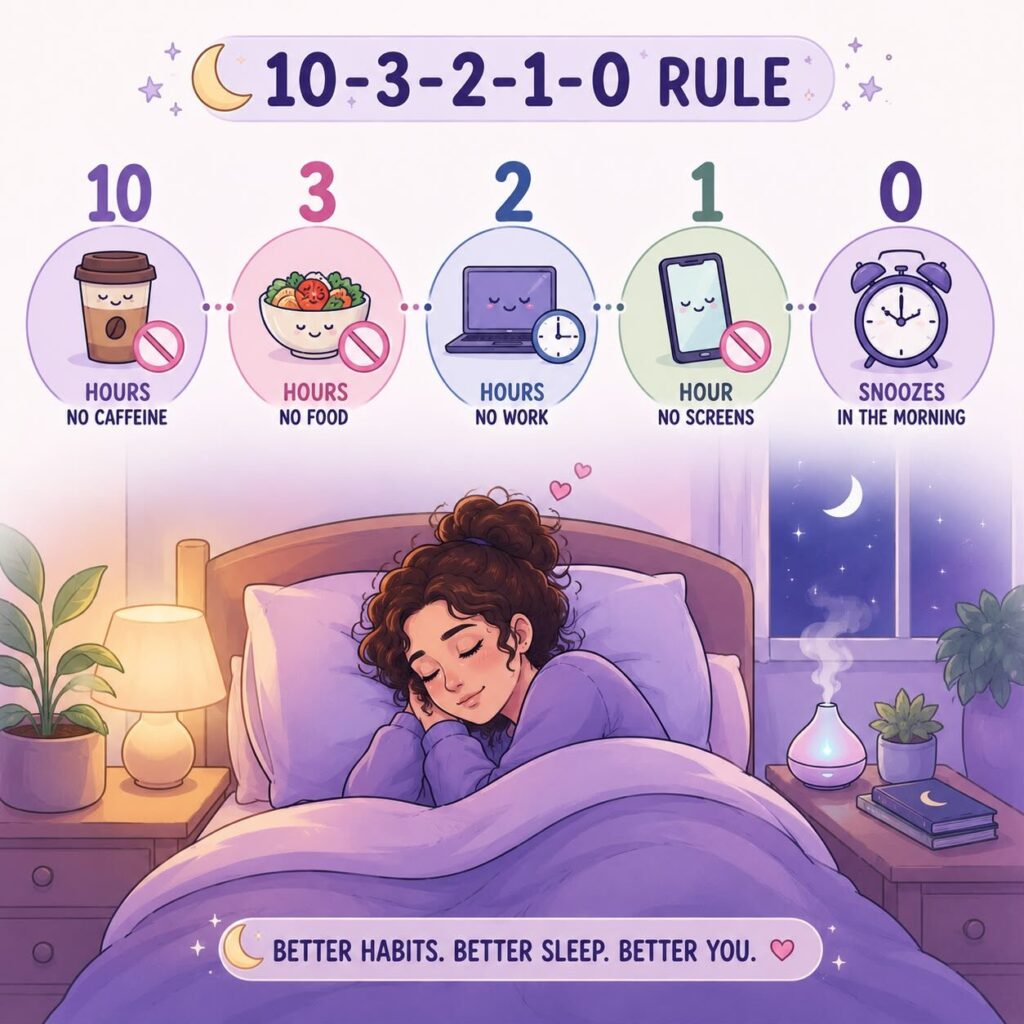
- Sleep hygiene – There are methods to wind down and wake up to ease achieving the right amount and type of sleep. Falling asleep and waking at the same time is key. Also, follow the simple 10-3-2-1-0 rule. This involves avoiding caffeine for 10 hours, food for 3 hours, work for 2 hours, and screens for 1 hour before bed time. And zero if for the number of snoozes to wake up in the morning. It sounds brutal but does a lot of good for regularising the circadian rhythm and melatonin (sleepy hormone) release.
- Lifestyle
- Exercise – excessive tiredness after or intolerance to exertion is one of the hallmarks of CFS. While regular exercise is generally healthy, it may worsen the symptoms in those suffering from CFS. If you can relate to this, check out the framework given by CFS Health’s video for suitable activity plans.
- Metabolism – These are the background processes that ensure sustained life, such as breathing, circulation, digestion, and temperature regulation. Basal metabolic rate is the bare minimum energy you need to stay alive, barring additional work. The calories remaining after BMR get used for all the other intentional activities. A “fast” metabolism consumes, but also produces, energy faster (by breaking down food into fuel). A “slow” one might present with lethargy and weight gain. Calculate your BMR to get an estimate of your daily energy requirements. More calories doesn’t always mean more energy, as explained in the diet section.
- Stress – In concurrence with the physical factors, mental stress acts through the endocrine system (hormones) to produce physical changes in the body like reduced immunity, decreased digestion, and disturbed sleep. These are designed to help you survive a threat in the short term but cause chronic harm over repeated, frequent episodes.
- Mental Health
Seasonal affective disorder (SAD), hypomania, and depression are examples of psychiatric causes of low mood. They usually present with apathy and disinterest, even regarding things that once used to feel enjoyable. These are best dealt with by qualified psychiatrists, using treatments like cognitive behavioural therapy (CBT), counselling, and even medications such as antidepressants. They may sometimes be in concurrence with CFS, which is more of a physical problem. If you feel this way, please reach out for help.
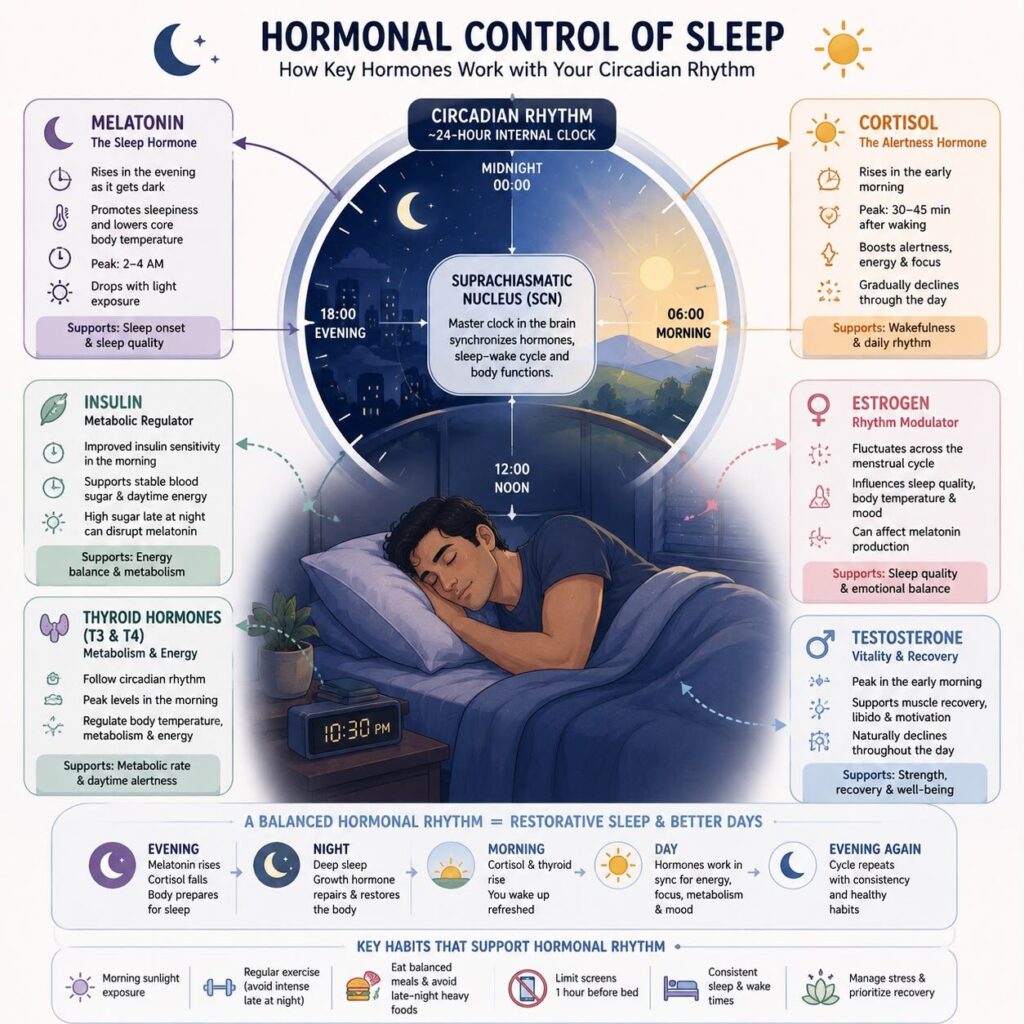
- Hormonal balance – key players
- Insulin – helps store energy after meals by absorbing sugars from the blood into cells.
- Cortisol – main stress hormone which follows a daily rhythm tied to sleep, but can be spiked at abnormal times by stress. This can potentially dysregulate everything.
- Thyroid – key controller of basal metabolic rate and essentially sets the tempo for all living processes.
- Estrogen – keeps metabolism balanced in the brain, muscles, liver, and fat tissue. This is why energy levels vary with the menstrual cycle.
- Testosterone – can cause aggression and/or motivation. Improves energy, libido, and active muscle mass.
- Steroids – many different types with multiple effects ranging from growing muscle to lowering immunity.
- Catecholamines – the fight or flight responders
- Orexin – keeps you alert while also helping regulate appetite
Hormonal health is run by an intricately coordinated dance of the above (and many more) hormones. One cannot be understood without the others. So, to simply, here’s a visual pathway (take a screenshot, this’ll help) to understand everything important in one go.
Succinctly, if there is one thing to be learned and implemented from this point on, it’s this: the tiny habits built to create better sleep, nutrition, and overall lifestyle compound. A short juice cleanse, a trendy diet, or a weekend of napping after months of chronic sleep deprivation may have their perks, no doubt. But consistency beats random bursts of “self care” every time. Recognising the problem, seeking the right help, and staying consistent to the advice given is the best way forward.
Here’s to brighter days and calmer nights!
References: