

The body speaks in symbols soft and bright,
A crimson seed unfolding from within.
It does not ask for hurry or for fright,
Just recognition of where you begin.
A chapter opens quietly, without call
A shift in tone, a deepened sense of being.
The world remains the world; you change, that’s all,
And yet the change is something worth your seeing
The moon has circled countless skies before,
And every cycle mirrors her slow grace.
You join that ancient rhythm evermore,
A new beat settling gently into place.
So bloom with time, with ease, with steady breath—
For this is growth, not destiny nor death.
Menarche – The beginning of a new chapter
What is Menarche?
Menarche refers to your first menstrual period marking a significant milestone in your life. It indicates the onset of cyclic hormonal changes that lead to ovulation and menstruation.
Why is Menstrual education necessary?
Behind the secrecy is a force that is deeply embedded in systems of misinformation, myths, and taboos. These myths are not always born out of malicious intent, but end up with tangible effects on the physical and mental wellness of the menstruating body. The everyday challenges that women face become even more severe when it comes to understanding menstruation at the grassroots.
According to statistics, over 71% of adolescent girls in India are unaware of menstruation until they get their first period; the bleeding comes as a shock – sudden, unexpected, and terrifying. This shocking statistic from a report published by UNICEF shows how a majority of girls in our country face their first period with no prior knowledge, leading to fear, shame, and school dropouts. Hence, menstrual education becomes a vital topic to discuss.
Unraveling the science behind each cycle
The Rhythm of the Month
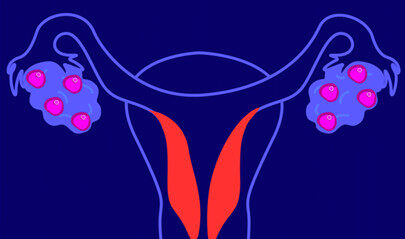
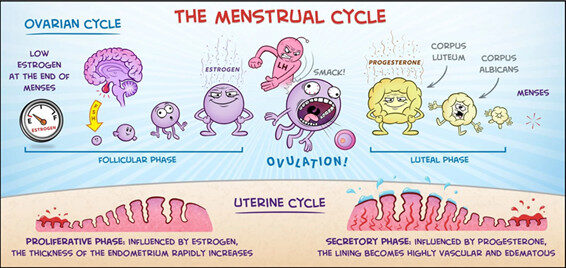
During each cycle, the body prepares for a potential pregnancy through various hormonal changes involving the release of an egg with subsequent thickening of the uterine wall. If no pregnancy occurs the body’s natural mechanism is to shed this lining which comes out each month as menstruate.
What to expect during my first cycle?
Your first period isn’t just the beginning of your reproductive years. It’s also a defining part of your body’s transition from childhood to adulthood, called puberty.
For your first period you might experience spotting possibly with small clots preceded with symptoms like period acne, bloating, breast tenderness, cramps in the lower abdomen and back, fatigue, mood swings and headache. Although cycles vary from person to person, a typical menstrual cycle ranges from 21 to 35 days with 3-7 days of bleeding. The flow of blood is the heaviest on the first 3 days which decreases with time. For the first few years after menstruation begins, long cycles are common. However, menstrual cycles tend to shorten and become more regular as people age.
When does one typically start Menstruating?
First menstrual bleeding – Menarche usually begins between the age of 9-15 years – approximately 2 to 2.1/2 years after the appearance of breast buds.
The average age of menarche as per the studies is 12.77 years.
The various Signs of Menarche – What changes will I notice?
Waiting for your first period can be stressful and bothersome. Moreover, it can be difficult to also estimate when your periods will start. But as your hormones change, so does your body.
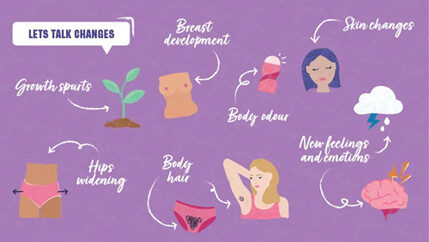
In the years leading up to your first period, you will be able to notice certain physical changes that can help guesstimate your Menarche. These include:
- Breast development (“thelarche”) starts 2 to 3 years before the first period, often around age 8.
- Pubic hair development (“pubarche”) usually happens 1 to 2 years before the first period. The average age for pubarche is 11.6 years old.
- Acne especially the comedonal type, can be the first sign of pubertal maturation in girls, even preceding pubic hair and areolar development
- Vaginal Discharge is essentially a white creamy, cloudy discharge before a period which occurs due to hormonal influence.
- Body Odour
Countdown to Menarche: What Makes It Begin?
– Body mass Index : According to various studies conducted, a lower BMI corresponds to delayed Menarche.
– Lifestyle and Environment : A sedentary lifestyle with very little physical activity, increased screen time and disrupted sleep wake cycle has adverse effects like fatigue, irritability, mood swings, difficulty concentrating, breast pain and period associated pain (dysmenorrhea) on your Menstrual cycles.
– Diet : Large numbers of observational studies have addressed the role of dietary factors in the onset of menarche. Girls with higher intakes of fat and animal protein had an earlier onset of menarche as compared to girls following a vegetarian diet with high intake of dietary fibres.
– Psychological Factors: Stress, family dynamics, and cultural norms can influence menarcheal age. Stress can affect the menstrual cycle in many ways. Not only does it alter your hormone levels, but it may reduce the energy you have available for menstruation.
My periods just started – What do I do?
The onset of menstruation represents a significant biological and psychological transition, marking a girl’s progression from childhood into adolescence. Getting your periods is completely a natural process. First of all do not panic. If you are feeling anxious about getting your first period, talking to your primary caregiver, your mom, or your elder sister, or even your teachers can help you understand periods better.
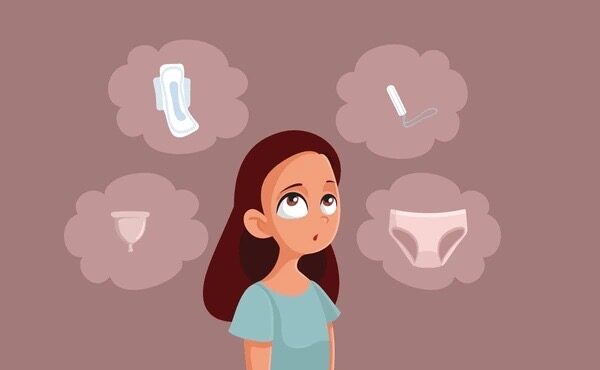
Simply start using your preferred feminine product – pads, tampons or menstrual cups. It is important to choose a period product that you feel comfortable using and maintaining hygiene. Change your pads or tampons as frequently as you need to and rest when possible. If you experience menstrual cramps, use a hot water bottle or a heated pad for comfort. Applying heat to the lower abdominal area has been proven effective in reducing the cramps.
Although your first few periods can be erratic and irregular,eventually, they find their rhythm and settle down on their own. Just go with the flow and let your body do what it needs to. Just remember to ask questions and try to have an open conversation about your periods with people you trust. They will help you navigate through the process and take you to a doctor if something’s amiss.
Celebrating New Beginnings with hope and positivity
Menarche is not only a biological process but marks the beginning of a lifelong relationship with one’s body. It can stir up a range of emotions- some expected and others surprising. Allowing space to acknowledge these feelings, whatever they may be, helps make the experience more grounded and less overwhelming.
For anyone experiencing menarche, it’s okay to have questions, worries, or mixed emotions. What matters most is knowing that you’re not alone—there are people who care, who will listen, and who will help you understand this new chapter where this transition becomes not just a biological change, but a moment of reassurance, hope, and empowerment.