

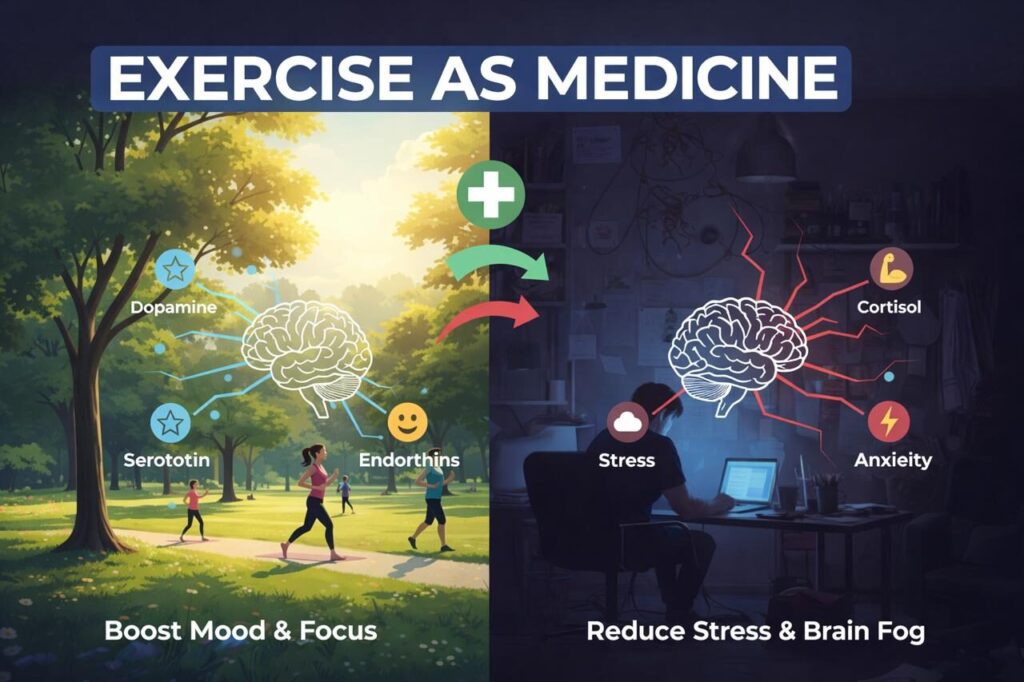
“Physical fitness is not only one of the most important keys to a healthy body, it is the basis of dynamic and creative intellectual activity.” -John F. Kennedy
Feeling stressed but don’t know how to improve your mood?
One of the most common problem in this era is stress, anxiety, mental exhaustion, but how to fix that?…
Well, the simple answer to that is exercise. “Exercise? But I don’t want to be all sweaty and tired. I’d rather sit in my bed and watch some funny cat videos to improve my mood”. Some may say so, do stick around to find out and understand how physical activity can improve your mood.
Common misconceptions and myths about mental wellbeing and physical activity:
Mental health, one of the main problems we face, is stress, anxiety, social isolation, and overthinking, and the list goes on. Often, society thinks mental health issues are a sign of weakness or lack of confidence, and we tend to agree and let society’s opinion affect our decisions, and we too tend to neglect our mental well-being.
Now, a question may arise: “OK, fine, I get that mental health is important, but how do I improve my mental wellbeing?”
Well, the simple answer is exercise.
People often think physical activity or exercise is only to build muscle, lose weight, or only for athletes to do. Physical activity is any bodily movement that uses energy, and when you plan and structure those movements, it’s called exercise. The main reason we tend to put off exercise, saying “I’ll do it tomorrow or the day after,” is because we think exercise is lifting heavy weights, running long distances, or spending hours together in a gym, and that’s where we’re wrong. Even a 10-min walk in the park is exercise, or doing yoga in the morning is also considered exercise…
The connection between brain and body:
Have you ever noticed how you feel when you’re just sitting and lying around all day and how different you feel when you go out and play? There’s a major change in your emotions, right? That’s due to the brain-body connection. In simple terms, your brain senses a change in physical activity and regulates certain hormones. “And what hormones are those?” you may ask. Let me simplify that for you.
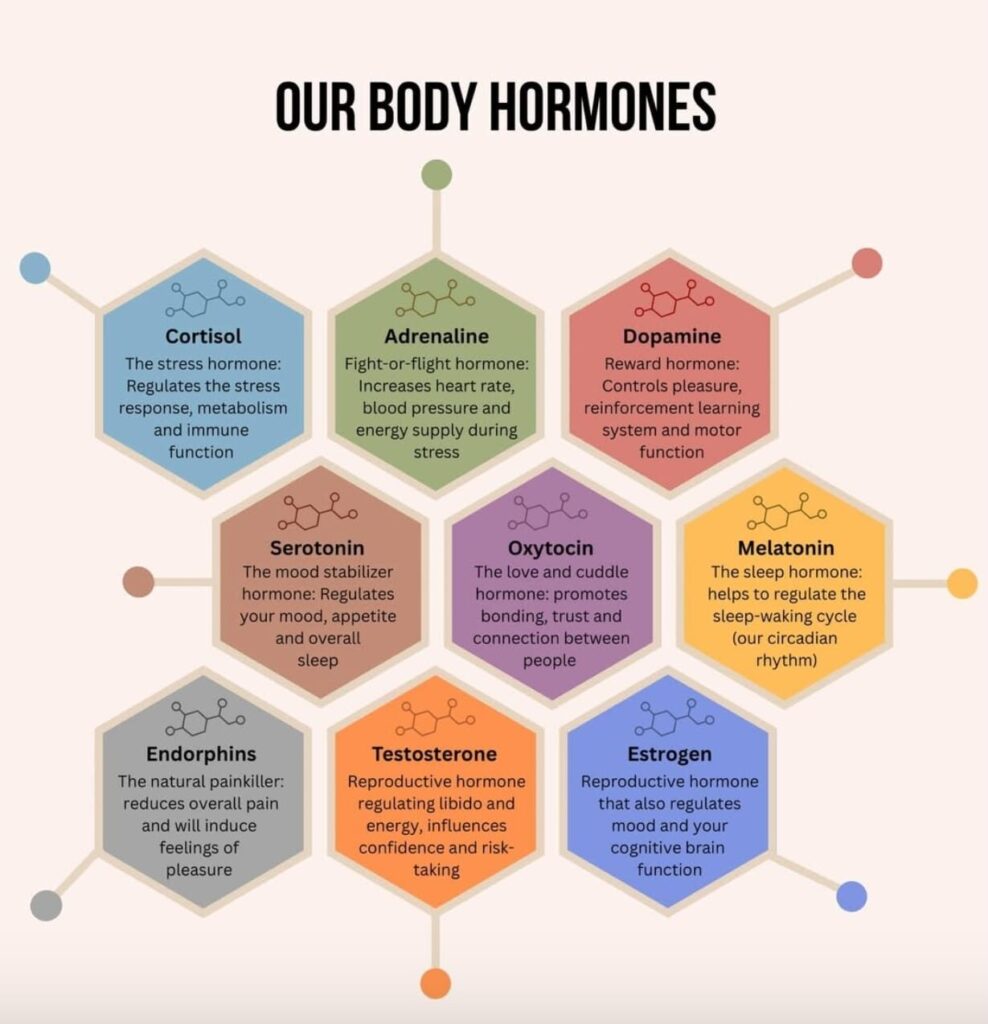
Major hormones that govern your body:
- Dopamine
- Adrenaline
- Cortisol
- Serotonin
- Oxytocin
- Melatonin
- Endorphins
- Testosterone
- Estrogen
Yeah, I know these names are a handful, and some may forget one hormone by the time they read the next one. Nothing to worry about. I’ll simplify them.
Hormones: The masters of our body:
Dopamine:
The reward seeker. Every task that makes you feel satisfied or feel good is because of this guy. He’s the one who keeps you motivated and focused and makes all the tasks you do feel worth it. Make no mistake, he may sound like a good guy, but if you make him work too much, he can be your foe.
Adrenaline:
The stuntman. Every time you feel a rush of energy or, as we like to say, “I feel alive,” is because of him. He is also known as fight or flight. He plays a critical role in our daily survival, whether it’s running for your life or winning an important game.
Cortisol:
The stress manager. And the name suggests he controls your stress, simple, right? But that’s not the case. The term “ too much” is too bad applies to this guy. The analogy is simple: too much Cortisol = Burnouts, that feeling you have about getting stuck at a point in the day or work and not being able to move forward is because of high cortisol.
Serotonin:
Mood stabiliser. As we all expect our lives to be a perfect balance, this guy maintains a perfect balance of our emotions.
Melatonin:
The connection hormone. Every time you see that one person you like, you feel butterflies in your stomach. Or every time we connect with a person, we feel a rush of emotion. That’s because of this guy.
Melatonin:
The sleep regulator tells your body when it’s time to rest and repair. In short, he controls your sleep cycles, so whenever you feel tired even after sleep, just know you’ve got low melatonin.
Endorphins:
The natural painkiller, this guy reduces stress and boosts happiness, damn guess you didn’t know you came with a built-in antidepressant system.
Testosterone & Estrogen:
These are the male and female sex hormones. They control our sex drive and libido, among other function.
So now we’ve got sensitized to how important physical activity and our mental health are, and we also saw how our mood changes and the importance of hormones in our body and how they work.
Now let’s see how physical activity can affect these hormones and regulate our mental health.
What really happens in your brain when you exercise:
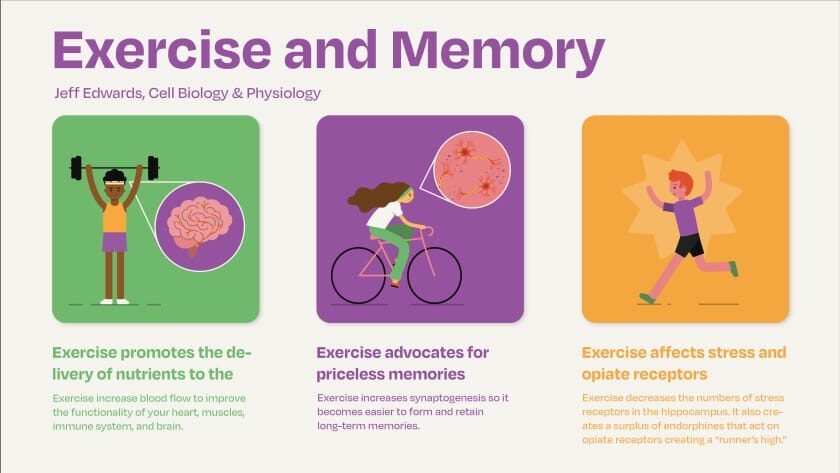
Exercise boosts blood flow to our brain, which is not only highly beneficial but also a necessity for the brain to function.
Securing our memories:
It may sound strange, but exercise also aids in securing priceless memories. Exercising increases memory’s capacity and strengthens them by increasing molecular targets like Brain-derived neurotrophic factor (BDNF). BDNF is a vital protein in the brain which aids in the birth of new neurons (neurogenesis), strengthens memories and learning (neuroplasticity), and this list goes on to say that in short, it’s a fertiliser for our brain cells.
Lowers stress impact:
While exercise isn’t a direct answer to solving stress-related issues, it pacifies it. We need to keep in mind that reducing stress doesn’t mean we lower our stress hormones; it intends to say that the number of receptors for these stress hormones to act on is reduced, hence lowering that one late assignment’s stress after the date of turning it in is pushed to a further date. Now, some of us might have heard the term “Runner’s high.” That’s one of the benefits of exercise; working out releases endorphins, which in turn create a euphoric feeling, and that’s not the only feeling we experience when we exercise; there’s a lot more to it. We’ll explore them as we progress forward.
So, till now, we’ve covered the importance of physical activity and mental health, myths about physical activity and mental health, we also explored the connection between the brain and body and important hormones of our body, and most importantly, saw what effects exercise has on our brain. Now, let’s see how we can hack these hormones to our benefits by some exercise and some common habitual changes.
How to hack your system and take control of your mood:
Dopamine:
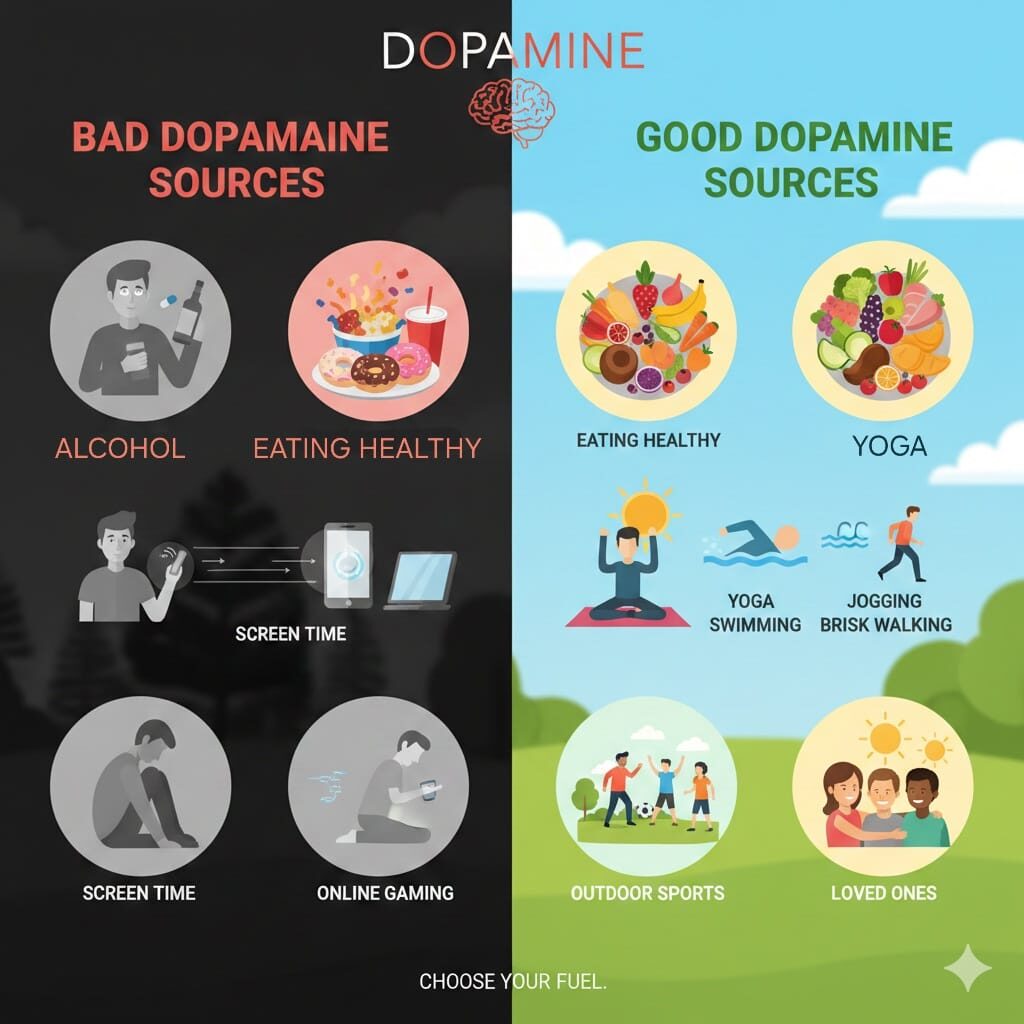
Bad sources:
- Addictive substances.
- Alcohol.
- Excessive eating.
- Consumption of more sugar.
- Too much screen time.
- Online gaming.
These are not the only bad ways or sources of a bad dopamine hit; these are some examples.
Good sources:
- Eating healthy.
- Yoga.
- Jogging.
- Swimming.
- Brisk walking.
- Playing outdoor sports.
- Spending time with your loved ones.
Studies suggest that doing any form of physical activity for as little as 30 minutes a day can reduce the risk of major health issues like:
- Reduce risk of heart attack.
- Lower blood cholesterol level.
- Lower risk of type 2 diabetes and some cancers Improves mental health.
So, next time you think of having a lazy morning and lying in bed till afternoon, think about what a 30-min walk in the park can do for you.
Adrenaline:
Bad sources:
- Chronic stress.
- Anxiety.
- PTSD( Post Traumatic Stress Disorder).
- Obstructive sleep apnea (lack of oxygen during sleep causes disruptive adrenaline rushes) Intense emotions.
Good sources:
- Extreme sports like skydiving, rock climbing, bungee jumping.
- Watching thriller and horror movies.
- Intense exercises like sprinting, powerlifting, rafting.
- Trying challenging tasks like cold showers, public speaking and more.
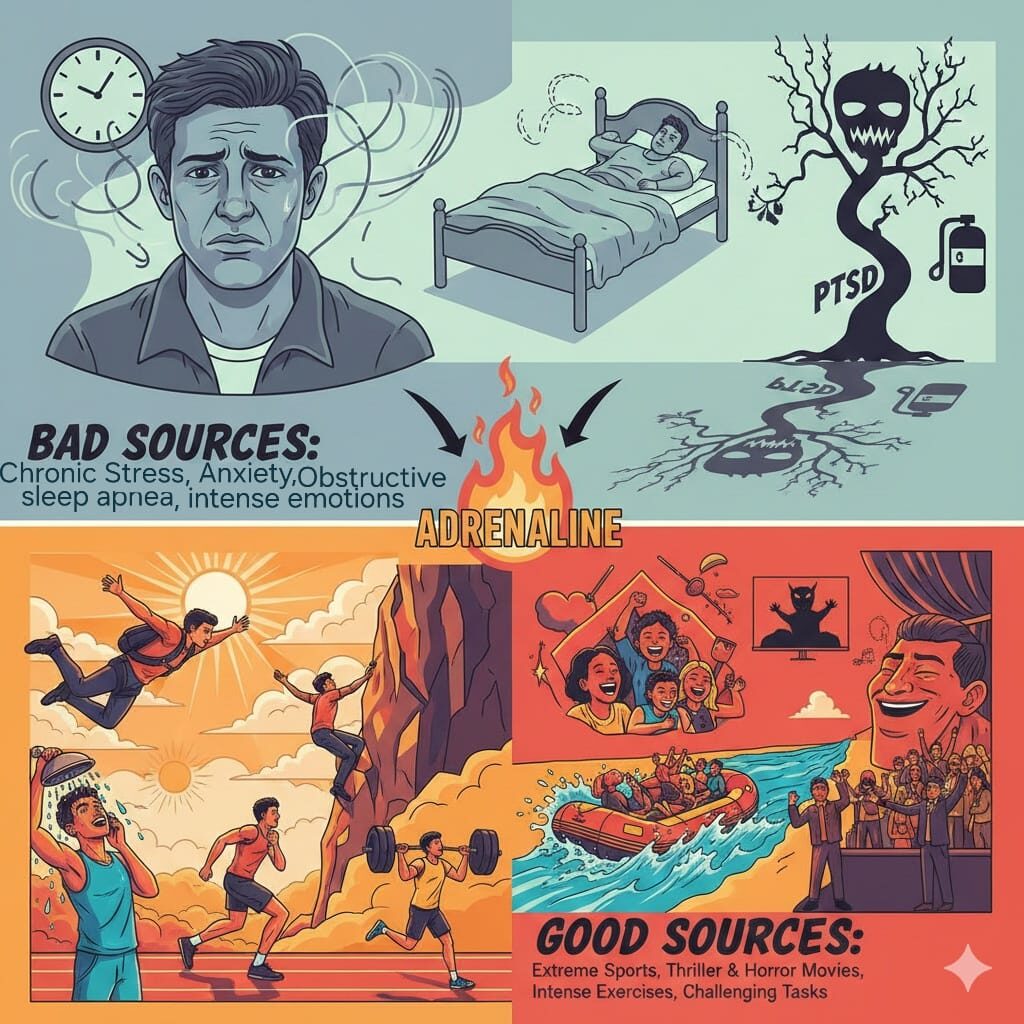
Extreme sports not only gives a rush of adrenaline it improves our cognitive abilities and decision making skills it also reduces the margin of error meaning it makes you less prone to make errors in day to day tasks.
Cortisol:
Bad sources:
Increased sugar and refined carbohydrates in short term causes long term Cortisol spike
- Caffeine.
- Alcohol.
- Processed and fried foods.
- Chronic stress, lack of sleep and overexercising are some of the problems leading to high Cortisol leveIs among others.
Good sources:
- Vitamin rich foods.
- Omega 3.
- Probiotics.
- Certain lifestyle changes like 7-9 hours of sleep.
- Regular and moderated activity.
- Stress management by doing breath work, meditation, yoga etc.
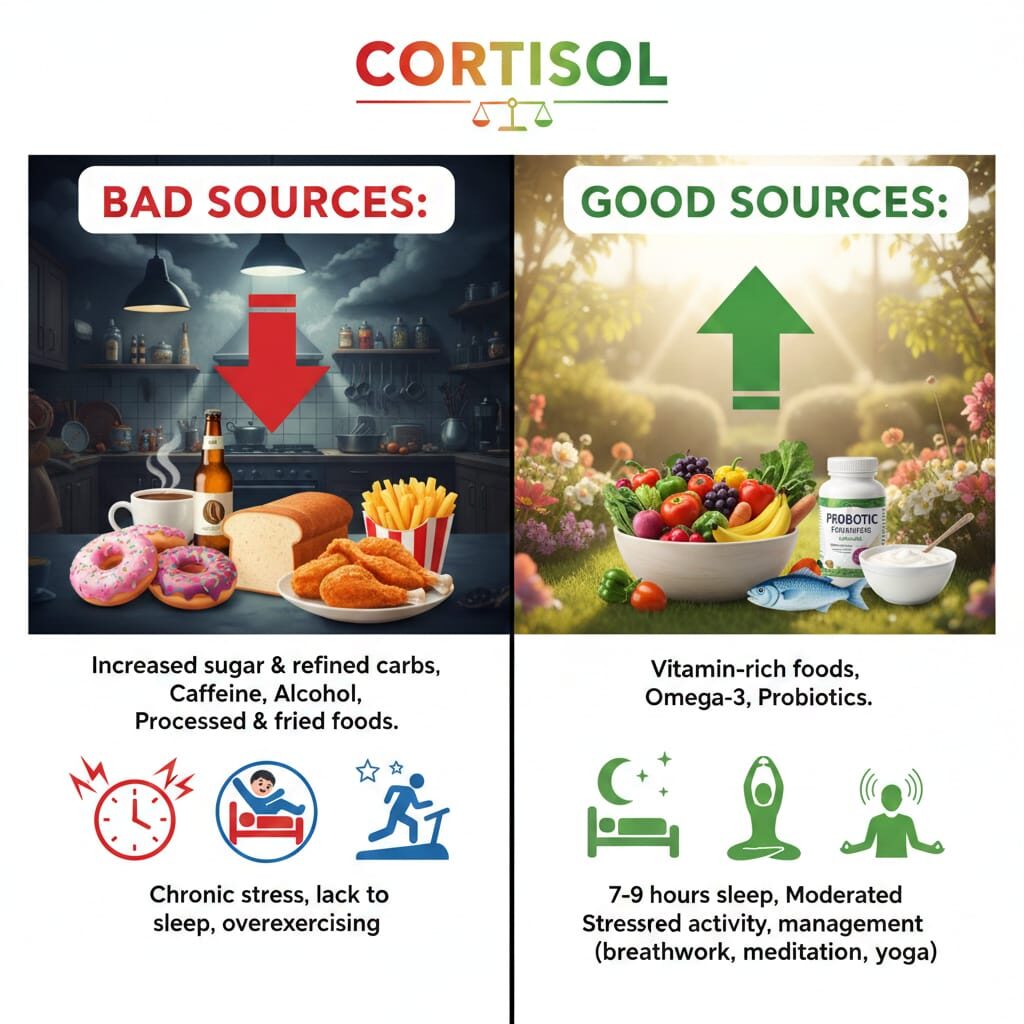
Well now we know what foods are making us feel tired and anxious all the time so in short reduce caffeine, stress and sugar consumption and let’s see how you won’t be able to ace your next test.
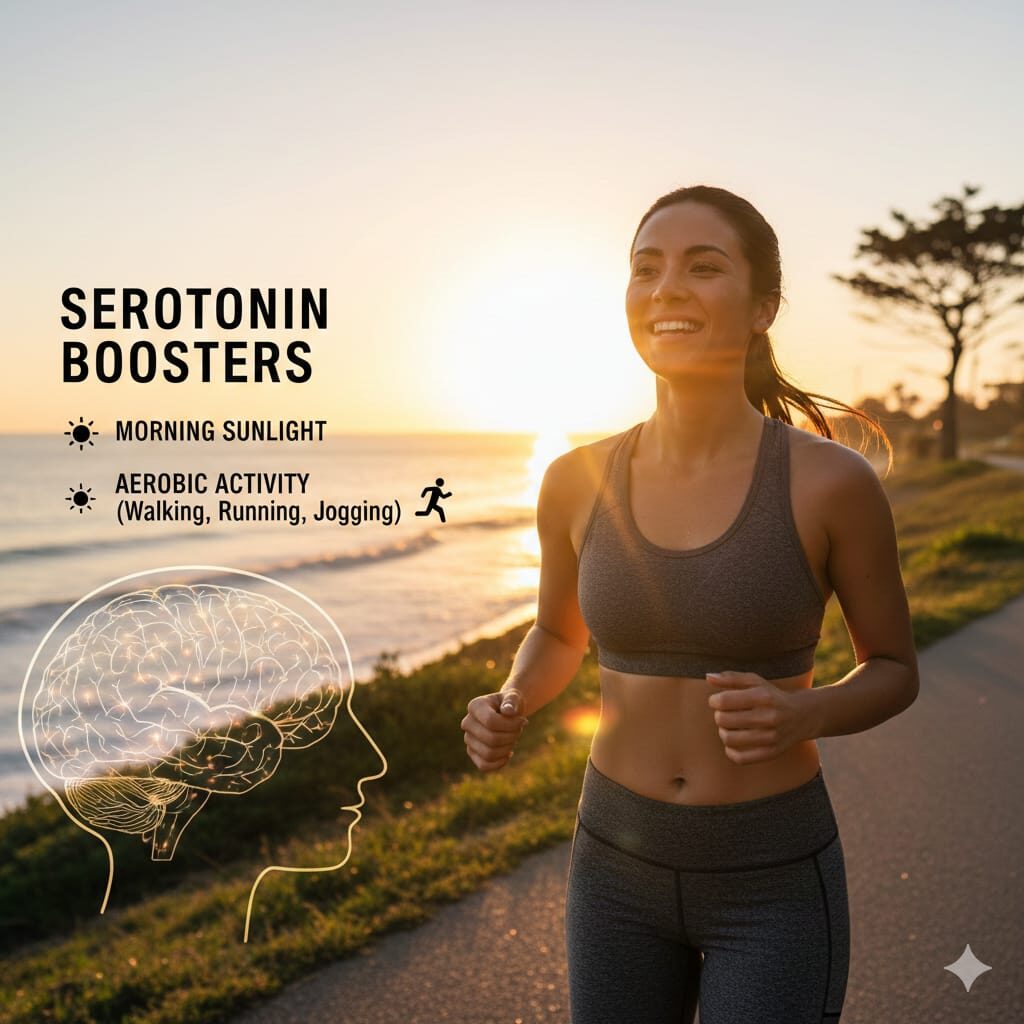
Serotonin:
There are no good or bad sources as such for Serotonin it’s practically regulated by all other hormones but some ways to boost Serotonin is to get some sunlight in the morning, aerobic activities like walking, running, jogging.
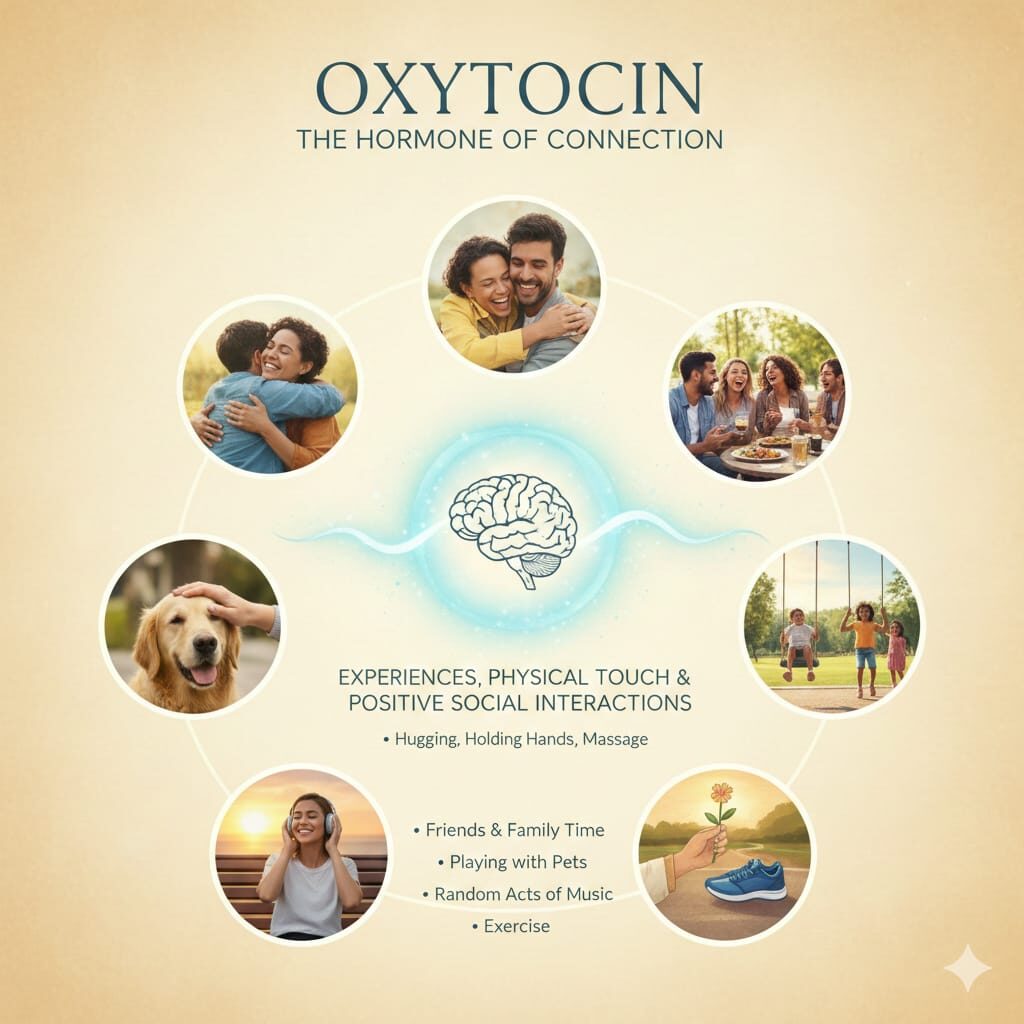
Oxytocin:
Oxytocin is not something you regulate from physical activity or food it’s about experiences, physical touch and positive social interactions.
- Physical touch includes hugging, holding hands, a massage etc.
- Positive social interaction like spending time with friends and family.
- Playing with your pet.
- Listening to music of your choice.
- Exercise.
- Random acts of kindness.
Melatonin:
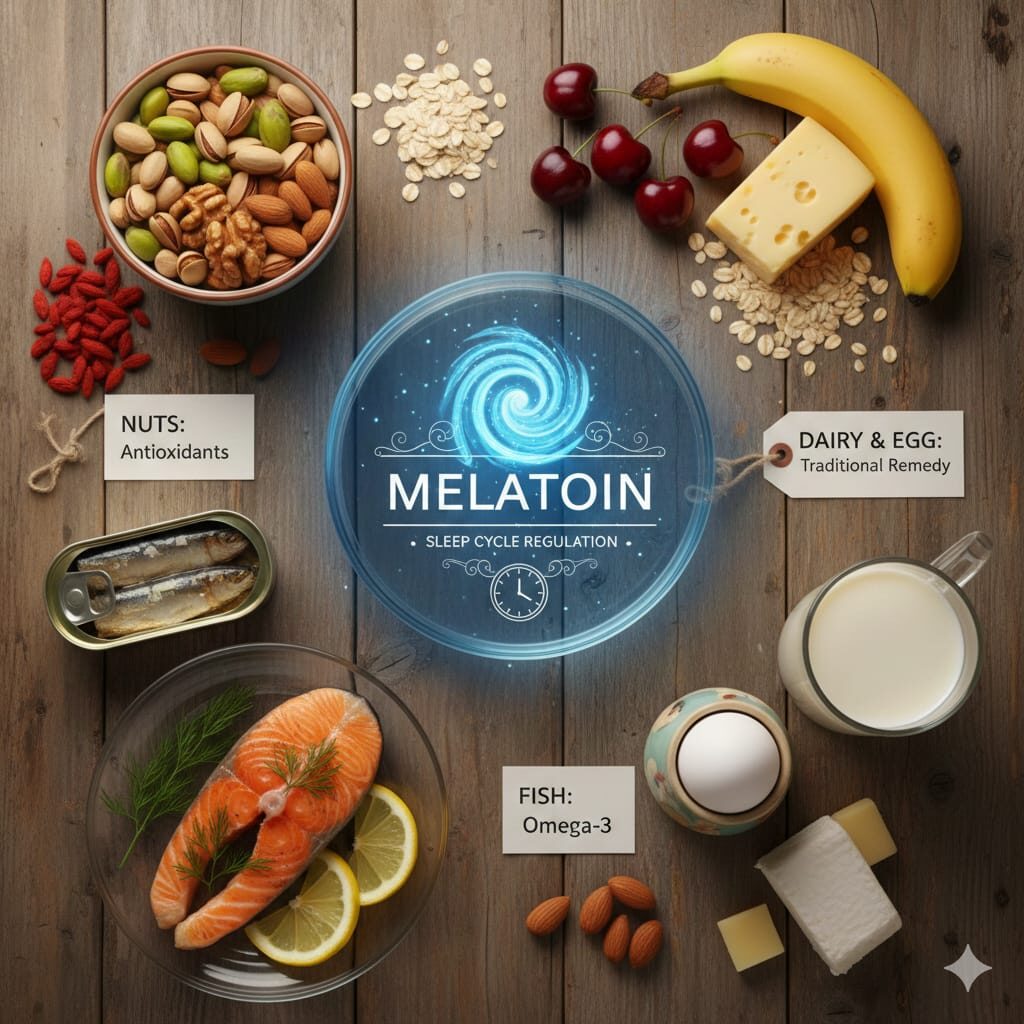
Melatonin one of the important hormones of our body it regulates our sleep cycles so best methods to regulate Melatonin is through diet:
- Nuts like pistachios, almonds are excellent sources for antioxidants.
- Fishes like salmon and sardines provide omega 3 fatty acids.
- Dairy and egg also are excellent choices and milk is considered a traditional remedy for insomnia.
Endorphins:
As we know by now Endorphins are the natural painkillers of our body so here’s how to boost them:
- Eat dark chocolate
- Meditate
- Play or listen to your favourite song
- Have a good laugh with your friends.
Now a question might pop in your head wait isn’t this the same as dopamine?
Both Endorphins and Dopamine are chemicals of our body but they function differently, to understand it better let’s take the example we discovered earlier “Runner’s high” after a long run you’ll have achy muscles but gradually they subside because of the endorphin’s natural painkiller action then dopamine will be released giving a sense of satisfaction.
Testosterone & Estrogen:
The topic of Testosterone and estrogen are very broad. Some foods that support them are:
- Protein: Lean meats, chicken, fish, eggs, tofu, nuts.
- Vitamin D: Fatty fish (salmon, tuna), eggs, fortified foods, sunlight.
- Zinc: Oysters, beef, beans, nuts, shellfish, pumpkin seeds.
- Magnesium: Spinach, almonds, cashews, peanuts, leafy greens.
- Healthy Fats: Avocados, olive oil, nuts, seeds.
- Pomegranate: Juice or fruit.
- Citrus Fruits: Lemons, oranges (Vitamin A in citrus helps).
- Seeds: Flaxseeds, sesame seeds (rich in phytoestrogens).
- Soy Products: Tofu, soy yogurt, miso soup.
- Cruciferous Vegetables: Broccoli, kale, Brussels sprouts (contain phytoestrogens).
- Nuts: Almonds, cashews, pistachios (contain phytoestrogens).
- Fruits: Apricots, strawberries, peaches, dark cherries.
- Legumes: Lentils, peas, beans.
What are the best kinds of exercises which are more sustainable over long periods?:
- Aerobic exercises can improve heart and lung health without excessive stress on joints.
- Walking: simple but highly beneficial.
- Cycling.
- Swimming.
- Strength training.
- Bodyweight exercise.
- Yoga.
- Zumba.
- Daily mobility work.
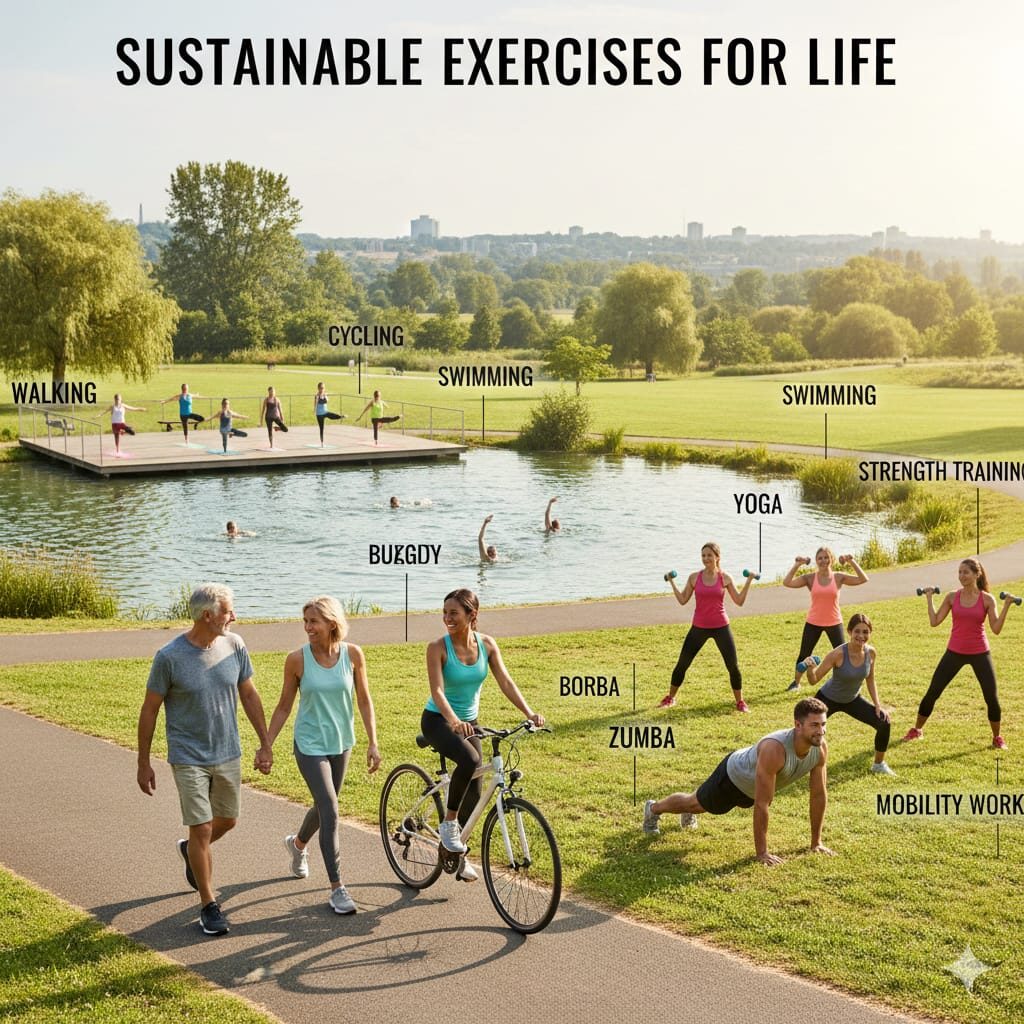
While the list goes on and on its important to know spending just 30 – 45 minutes of your day to move your body and stay physically active can take us a long way on terms of health both mentally and physically. We all need to enjoy physical activity rather than disregard it today’s pain is tomorrow’s gain.
Physical activity is a powerful, “built-in medicine” for mental health that works by regulating the brain’s neurobiology. Rather than just building muscle, exercise functions as a biological hack to balance essential hormones like dopamine (motivation), serotonin (mood stability), and endorphins (pain relief), while reducing the damaging effects of cortisol (stress).
Beyond mood regulation, movement acts as “fertilizer” for the brain by increasing BDNF, a protein that stimulates the growth of new neurons and strengthens memory. By committing to just 30–45 minutes of sustainable activity—such as brisk walking, yoga, or swimming—you can effectively lower anxiety, improve sleep quality, and enhance cognitive clarity.
So at the end if the day all it takes is 30 minutes of your day to have a better health and a brighter tomorrow to look forward to as Queen Elizabeth II said “It is often the small steps, not the giant leaps, that bring about the most lasting change”.
REFERENCE:
2.https://www.apa.org/monitor/2023/09/adventure-sports-navigating-decisions
4.https://lifesciences.byu.edu/how-exercise-affects-your-brain