One of the most overlooked medical emergencies that everybody underestimates until it happens to someone you love. Stroke comes with the assumption that it affects only the elderly or that it comes with a dramatic collapse.
In reality, stroke is a silent killer. It can affect any age group, suddenly and quietly. Every year millions around the globe suffer a stroke, and many are left with lifelong complications like paralysis or other disabilities, or they just end up dead all because help did not arrive on time. According to the World Health Organisation (WHO), stroke is the second leading cause of death globally, affecting around 15 million people yearly, out of which 5 million die and another 5 million are left permanently disabled. In India, the situation is equally worse, if not more.
However, the good news is that many strokes are preventable, and recovery can be quick if actions are quick.
This article aims to explain stroke in the simplest of terms, how to recognise it early, what to do immediately, and even how to prevent it.
What is a stroke???
A stroke, in easy words, basically refers to when a part of the brain suddenly loses blood supply. The brain, as any other organ, requires a constant supply of oxygen and nutrients. When the blood flow is interrupted, the brain cells begin to die in minutes, causing a stroke.
Types of stroke
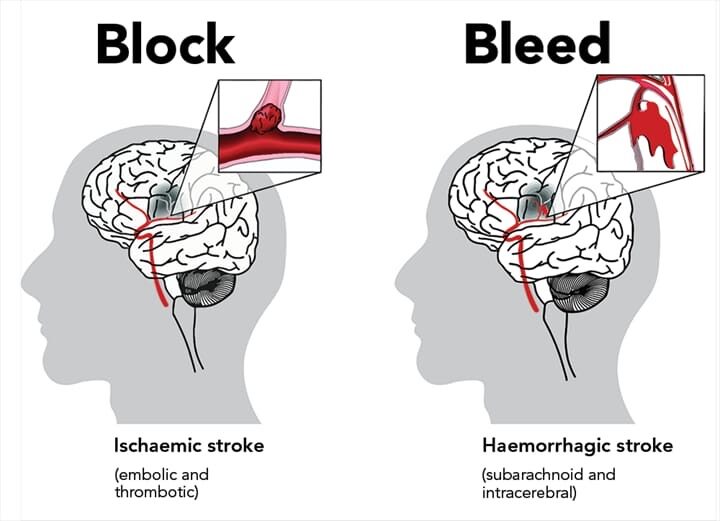
There are 2 main types of stroke:
1. Ischemic stroke
Caused by a block in the blood vessel that prevents blood from reaching a specific part of the brain.
2. Hemorrhagic stroke
Caused by bleeding in or around the brain due to a ruptured vessel in the brain.
Why time matters: Golden hour in stroke
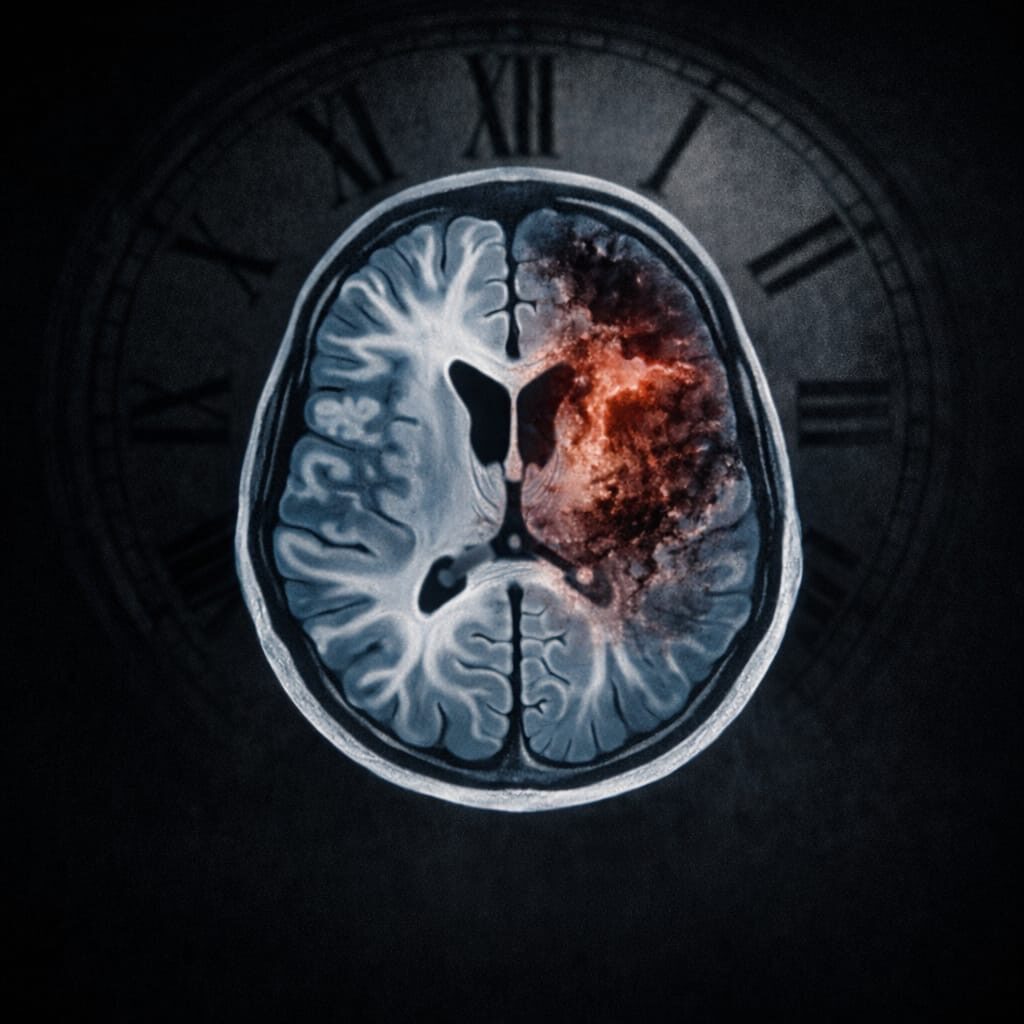
When it comes to stroke, doctors usually use a simple but meaningful phrase, “time is brain”. This basically means that the longer the stroke goes unattended, the more cells in the brain die.
According to research by The American Heart Association Journal, about 1.9 million neurons die per minute when the stroke goes unattended. In just one hour, the brain can age several years, and the damage is always irreversible. Hence, early medical intervention is the single most important factor which determines survival and recovery. Modern medicine has effective treatments for certain types of stroke, but they work only within a strict time window.
Recognising warning signs early and reaching a hospital immediately can mean the difference between complete recovery, lifelong disability, or even death. Every minute truly matters in stroke care.
Causes and risk factors of stroke
Some risk factors such as age, gender, and family history of stroke cannot be changed, but many others can be changed.
Modifiable risk factors
These are the most important ones as each one of them can be changed with a healthy lifestyle.
1. High blood pressure
Why it matters: persistent high blood pressure damages blood vessels and increases the risk of both types of strokes.
Prevention:
– Reduce salt intake.
We all love adding extra salt, eating pickles (acchar/uppinkai), or adding namkeen to our daily lunch; this alone accounts for 40%-50% of our daily sodium intake. And this is very important to know because sodium is highly responsible for the long-term increase in blood pressure. Limiting sodium intake to <5g/day decreases BP significantly.
– Regular BP checks after the age of 30.
After one hits the age of 30, the chances of high blood pressure increase, especially in males, and it is usually asymptomatic (silent killer). Regular screening helps identify problems early.
– Daily physical activity.
Activities such as brisk walking, jogging, or even morning walks help to reduce the chances of high blood pressure.
– Medication adherence.
Being true and following the prescribed antihypertensive medications meticulously is just as important. Irregularity with the medications will lead to random bp spikes which might lead to a stroke. Just because the symptoms disappear does not mean the medication must be stopped; adhere to the medications sincerely.
2. Diabetes mellitus
Why is matters: high blood sugar levels called hyperglycemia, damage the blood vessels and increase the risk of atherosclerosis or thickening of arteries which might lead to ischemic stroke.
Prevention:
Control sugar intake
Us indians love having a morning chai or coffee with a plate of biscuits. This problem leads to frequent glucose spikes in the body which leads to insulin resistance and causes diabetes. Controlling the sugar intake is a crucial act to avoid diabetes mellitus.
Whole grains over refined carbohydrates
Food like brown rice, oats, millets and whole wheat have a lower glycemic index than other refined carbohydrates. These food items lead to a lesser glucose spike compared to other refined food items like white bread, white rice, sugary cereals and pastries.
Regular blood sugar check-ups
Adherence to prescribed medication
3. High cholesterol
Why it matters: high cholesterol or dyslipidemia causes the creation of plaque-like structures to form in the lumen of arteries which supply blood to the brain. Rupture or thrombosis of these might lead to stroke.
Prevention:
* Reduce friend and trans-fat foods:
Indian diets are rich in deep-fried foods and overconsumption of bakery items. This promotes atherosclerosis and increases stroke risk
* Use oils wisely:
Using a mix of oils like mustard, groundnut and rice bran oil in moderation provides a balanced oil profile and reduces harmful lipid accumulation
* Lipid profile screening:
Early detection of dyslipidemia allows lifestyle changes which reduces stroke risk
4. Smoking and using tobacco
5. Excess alcoholism
6. Lack of physical activity
How does stroke present itself???
The symptoms often come suddenly, and this is why they go unnoticed until it’s too late
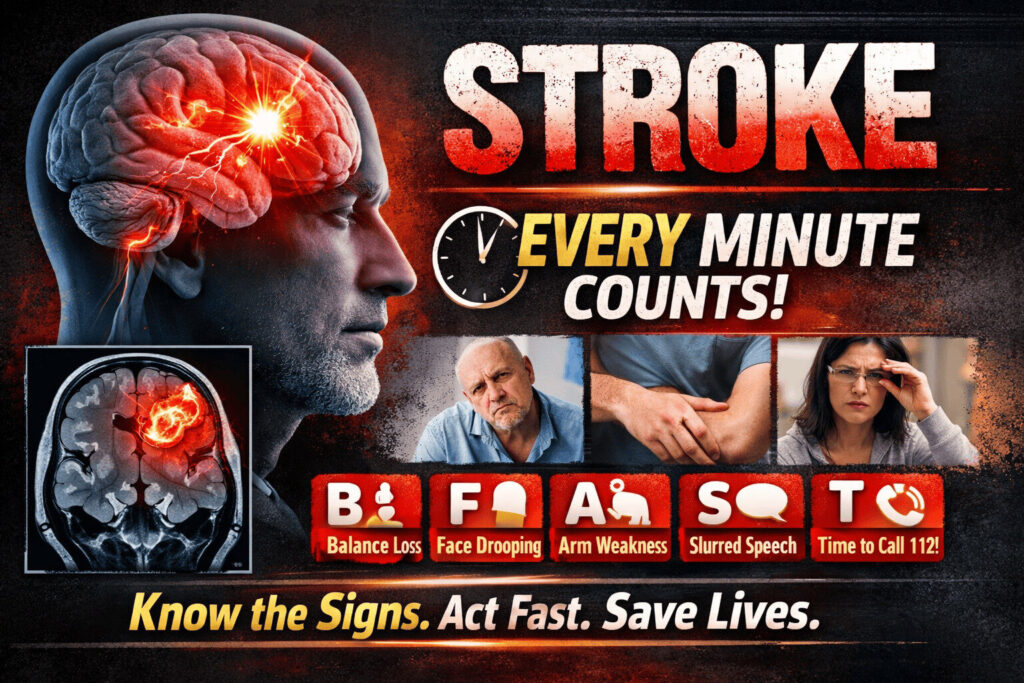
Remember BE FAST
* B – balance is impaired
* E – (eye) vision turns blurry
* F – face drooping
* A – arm weakness
* S – speech difficulty
* T – time to call emergency services
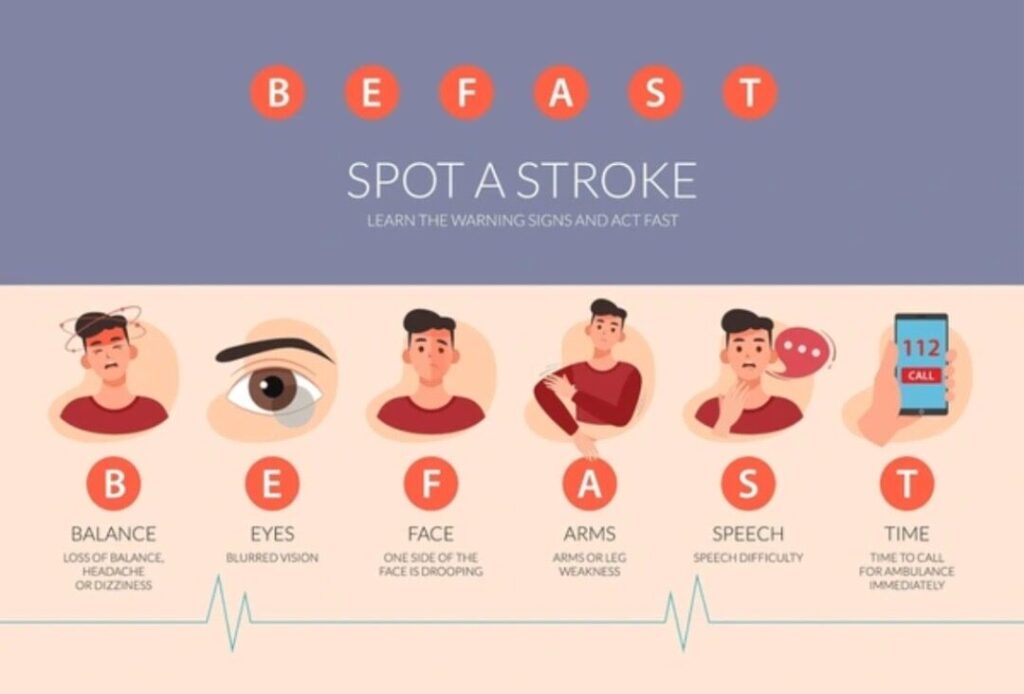
Don’t wait for the symptoms to get worse; act immediately if any of the following signs are present
Other signs include
* Sudden confusion
* Suddenly weakness or numbness of the face, arm or leg. Especially on one side
* Difficulty in speaking or understanding speech
* Loss of balance or coordination
* Suddenly severe headache
A Real-Life Story
A study published by The International Journal of Allied Medical Sciences and Clinical Research describes a common scenario:
A 52-year-old male patient had been admitted to the hospital with the chief complaints of slurred speech, weakness in the right extremities, and he did not have a medical history of hypertension or diabetes mellitus.
This is a classic case of Acute ischemic stroke with the distal left internal carotid artery occlusion.
The family assumed it was fatigue and decided to “wait and see”. He reached the hospital six hours later. By then, significant brain damage had already occurred.
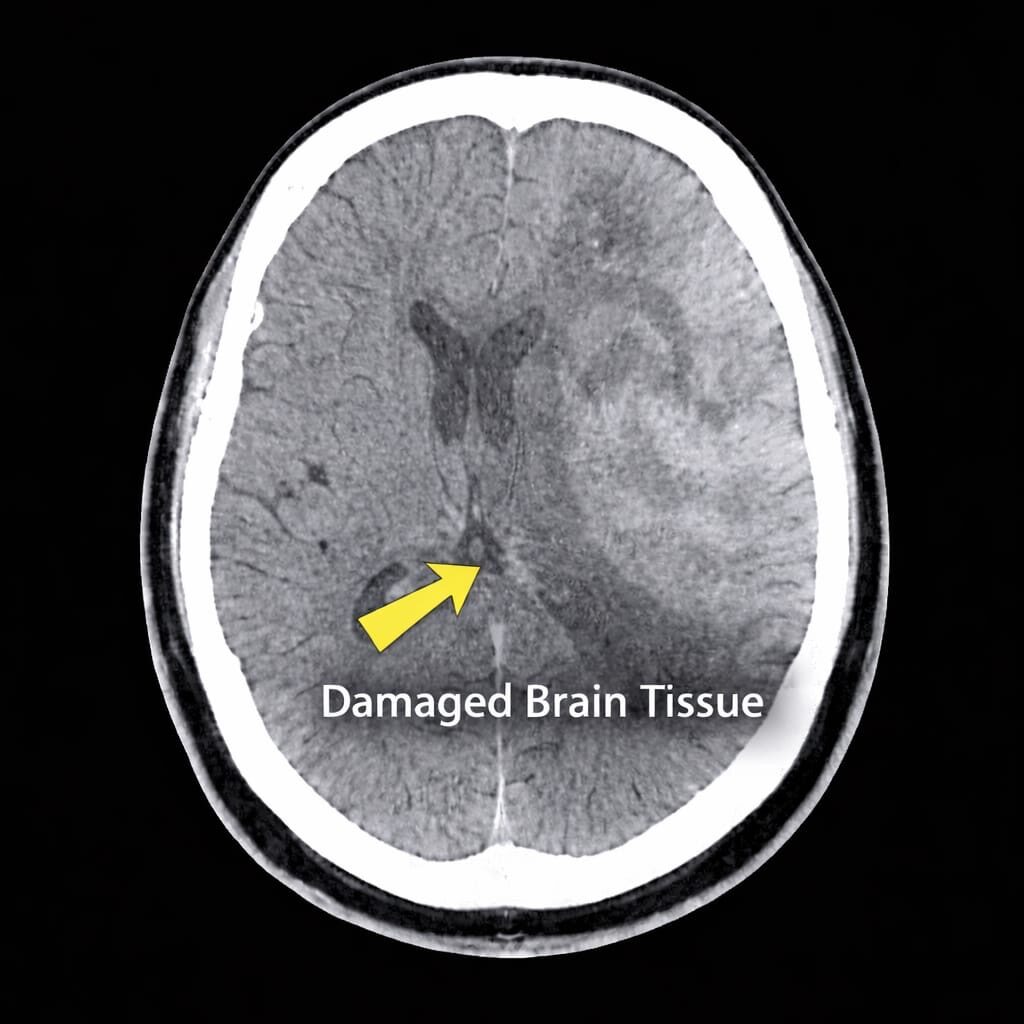
This delay-often caused by a lack of awareness, is the biggest reason stroke outcomes are poor
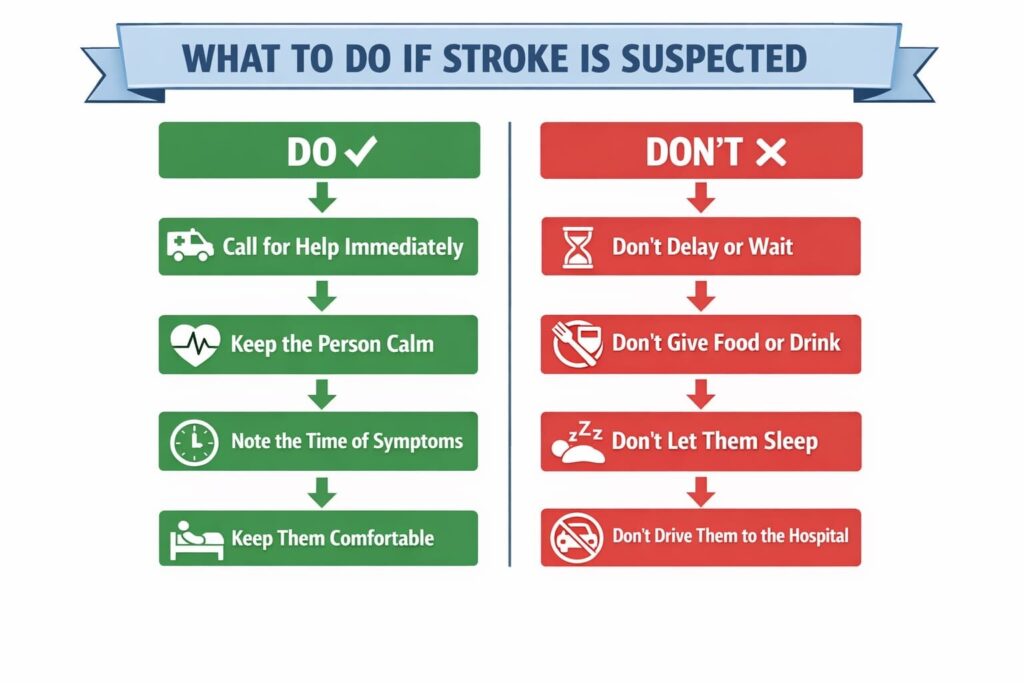
What should actually be done??
Life After a Stroke
Most of the stroke survivors face
- Difficulty in walking

- Speech problems
- Emotional changes
- Depression or anxiety
- Dependency/burden on family members
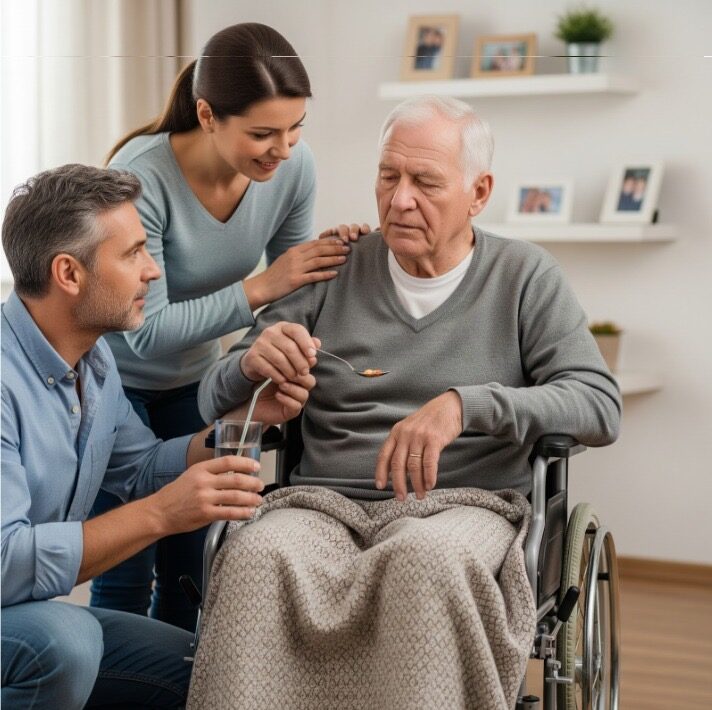
However, despite these problems, family support, rehabilitation, and long-term medical care play a crucial role in recovery. With proper care, many patients partly regain independence.
Can Strokes Be Prevented
Around 80% of strokes can be prevented by simple preventive measures, such as:
- Regular check ups with a general physician
- Quitting smoking and alcohol
- Eating a balanced diet with low salt
- Regular exercise
- Public awareness and early screening can save countless lives
Final message
Stroke does not politely give notice. It strikes unexpectedly and an immediate action is required. The tragedy is not only the stroke itself, but the lost time owing to unawareness.
Warning signs, action in a timely manner, and prevention are all the steps that will help protect not only your life but also those around you. Every minute really counts when it comes to stroke care.