

“It usually begins with a sound you don’t even notice, a rustle in the grass, a step in the dark, a hand reaching into a corner. And then two painless marks that change everything, and in India, this silent moment becomes a life or death race more often than we realise”
THE TRUTH UNDER THE SURFACE
We fear the snakes, but many still trust temple rituals, tight clothes, or home remedies when bitten. That’s why snake bites kill far more people in India than they should. What actually saves a life isn’t superstition or old wives’ tales, but knowing what venom does and acting right in the first few minutes.
THE SNAKES YOU’LL ACTUALLY MEET IN INDIA
India has about 216 snake species, and 52 of them are venomous. Still, only five are responsible for most serious bites: the king cobra, Indian cobra, common krait, Russel’s viper, and the saw-scaled viper. These belong to two major venom families: Elapids (Cobras and Kraits), which cause silent, rapid paralysis, and Vipers (Russel’s and saw scaled), which cause massive bleeding and tissue damage. Knowing which group a snake belongs to holds utmost importance as it decides the type of symptoms you’ll see, the first aid you use, and even how fast the situation can turn fatal. In simple terms, elapids have neurotoxic (paralysis type) venom, and vipers have hemotoxic ( bleeding and swelling-type) venom.
EASY WAYS TO IDENTIFY THE DANGEROUS ONES
Snakes should never be approached or identified up close, but from a safe distance; a few consistent features can help recognise the species that pose the greatest medical risk in India.

Indian Cobra
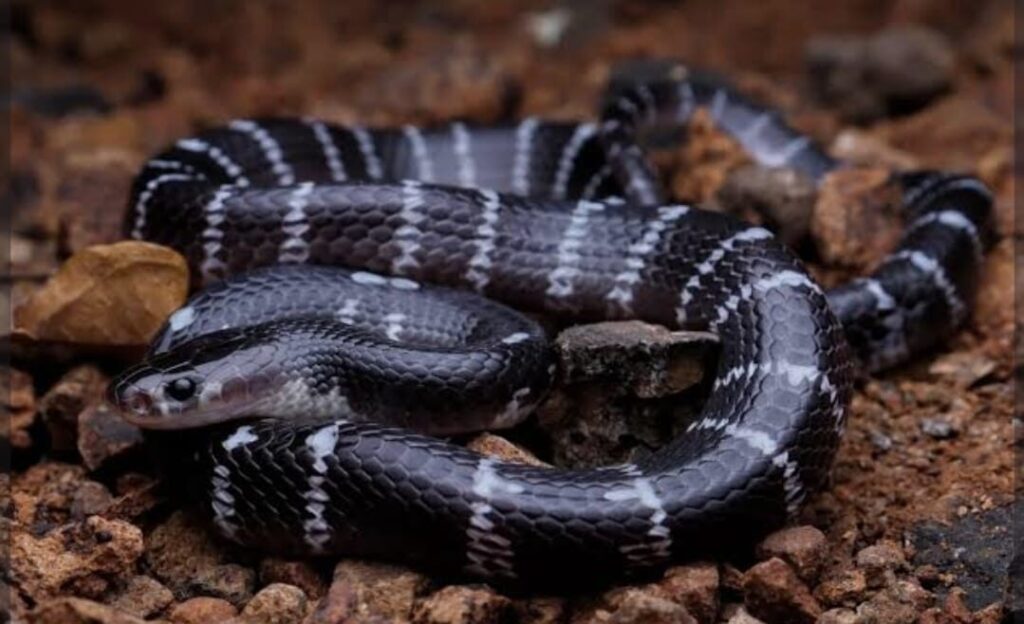
Common krait
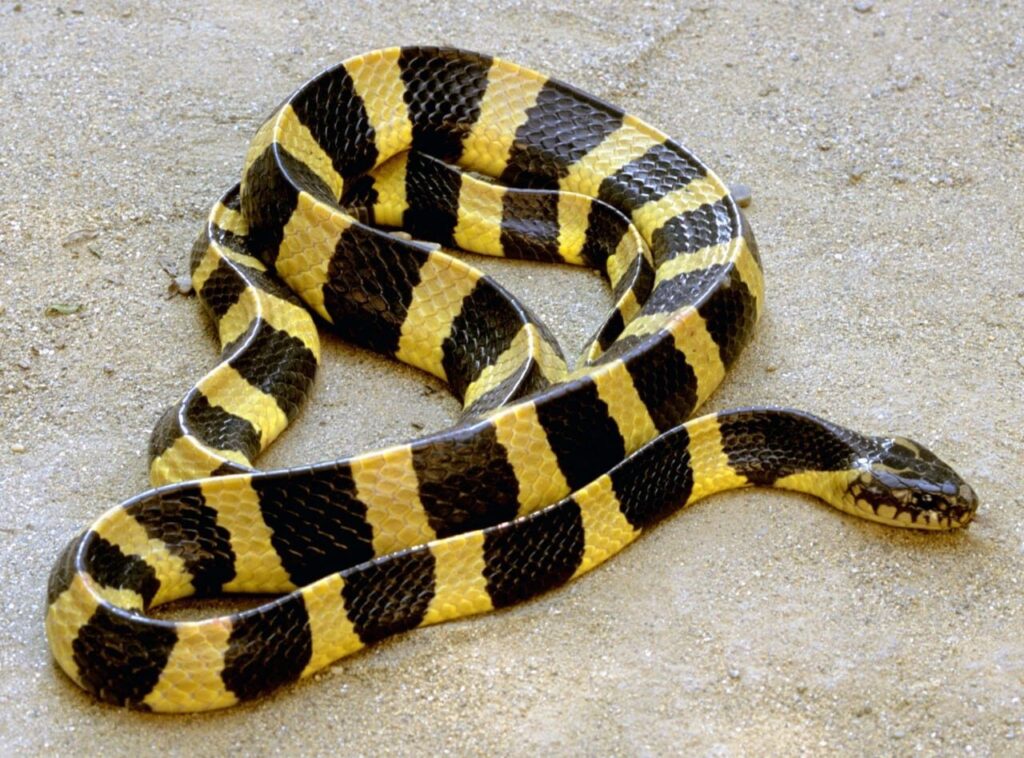
Banded krait

Russel’s viper
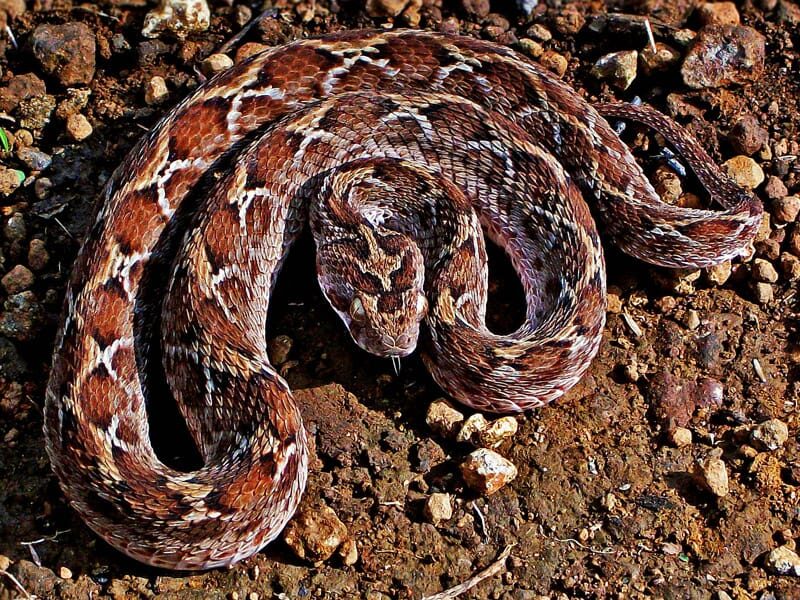
Saw scaled viper
WHAT TO DO IN THE FIRST 10 MINUTES AFTER A BITE
Snakebite first aid is not about quick fixes or traditional remedies; it is about slowing the spread of venom and getting to medical care safely.
STEP 1: Stay calm and restrict movement
- Reassure the patient and keep them calm
- Panic and movement speed up venom spread
- Make the patient lie down
STEP 2: Immobilise the bitten limb
- Keep the bitten limb still.
- Splint it like a fracture.
- Do not raise the limb; keep it at heart level or lower.
STEP 3: Apply pressure ( when appropriate)**
- For bites suspected to be from cobras, kraits (elapids) or sea snakes, apply a firm pressure bandage over the bite site and along the limb.
The bandage should be snug enough to apply pressure but loose enough for a finger to slip underneath.
NOTE: This method is NOT advised for viper bites, as it can worsen local tissue damage
STEP 4: What NOT to do
- Do not cut the wound.
- Do not suck out the venom.
- Do not apply tourniquets if in doubt
- Do not burn the wound
- Do not apply chemicals, herbs or medicines
- Do not attempt to catch or kill the snake. A photo from a safe distance is enough, if available.
STEP 5: Basic wound care
- Gently clean with soap and water or iodine
- Cover with a clean, sterile dressing
- Do not manipulate the wound
STEP 6: Position and transport
- Lay the patient on their side ( recovery position)
- Especially important if there is vomiting or fainting
- Transport to the nearest hospital immediately, don’t make the patient walk, as muscle activity can speed up venom spread
Snakebite is a medical emergency. First aid only buys time; antivenom and monitoring can only be done in a hospital.
WHAT THE BODY TELLS YOU AFTER A BITE
A snake bite rarely stays silent for long. The body begins to signal trouble in ways that are easy to miss unless you know what to look for. Around the bite, pain, swelling, redness, or oozing blood may appear and can spread rapidly along the limb. As venom enters the circulation, its effects depend on the type of snake. Venom that acts on the nerves may cause drooping eyelids, blurred or double vision, slurred speech, difficulty swallowing, or a frightening sense of breathlessness as the muscles of breathing weaken. Other venoms primarily damage blood and tissues, leading to uncontrolled bleeding from the gums or wound, extensive swelling, blistering, and darkening of the skin. General signs such as nausea, vomiting, dizziness, abdominal pain, or fainting may occur. These changes are not delayed reactions or harmless effects; they are clear warnings that venom is acting inside the body. Any progression of swelling, bleeding, weakness, or breathing difficulty should be treated as a medical emergency and demands immediate hospital care, even if the bite initially appeared minor.
WHY SNAKEBITE IS STILL A PUBLIC HEALTH EMERGENCY
Snakebite is not a rare accident in India; it is a large, ongoing public Health crisis. Studies estimate that India alone accounts for nearly half of all snakebite deaths worldwide, with around 58,000 people dying every year, adding up to more than 12 lakh deaths over the last two decades. These deaths occur quietly, mostly in rural areas, far from headlines and hospitals.
What makes this tragedy more disturbing is that most snakebite deaths are preventable. Effective antivenom exists, and timely medical care can save lives. Yet many victims die because of delays in reaching hospitals, lack of transport, dependence on traditional remedies, and poor awareness about correct first aid. In several rural health centres, trained staff and antivenom are either unavailable or reach too late.
Snakebite qualifies as a public health emergency not because it is untreatable but because healthcare access, awareness and early response fail the people who need them most.
A CRISIS THAT CAN STILL BE FIXED
Snakebite deaths persist not because medicine lacks answers, but because delivery falls short. Every delayed referral, every unavailable antivenom vial, and every preventable myth costs time and time costs lives. The path forward is clear and evidence-based: rapid transport, trained frontline care, reliable antivenom access, and public education. This is not a question of knowledge but of will. Snakebite will remain a public health emergency only as long as we allow these failures to continue.