Introduction
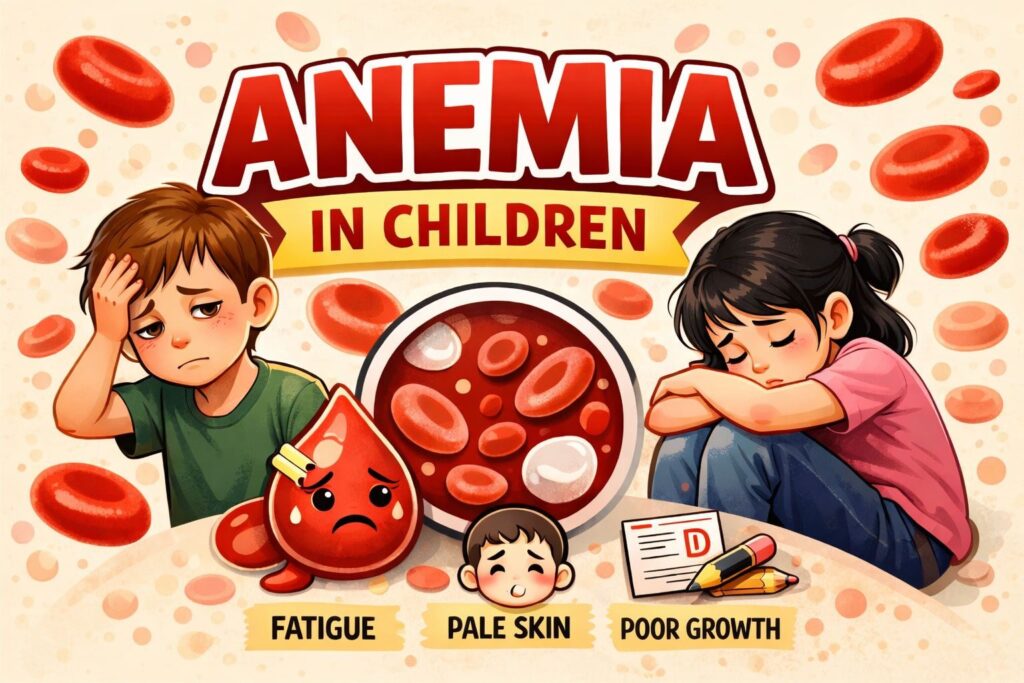
Every child needs enough oxygen in their body to grow, learn, and stay active. This oxygen is carried by hemoglobin in red blood cells. When the body does not have enough hemoglobin or healthy red blood cells, the condition is called anemia. Anemia is one of the most common health problems affecting children worldwide.
According to the World Health Organization , nearly 40% of children worldwide suffer from anemia, making it one of the most common nutritional disorders affecting childhood health and development
Since childhood is a crucial stage for growth and development, early detection and prevention of anemia are very important. Providing a nutritious diet rich in iron and vitamins, improving health awareness, and ensuring timely medical care can help reduce the burden of anemia and support healthy childhood development.
What is anemia in children ?
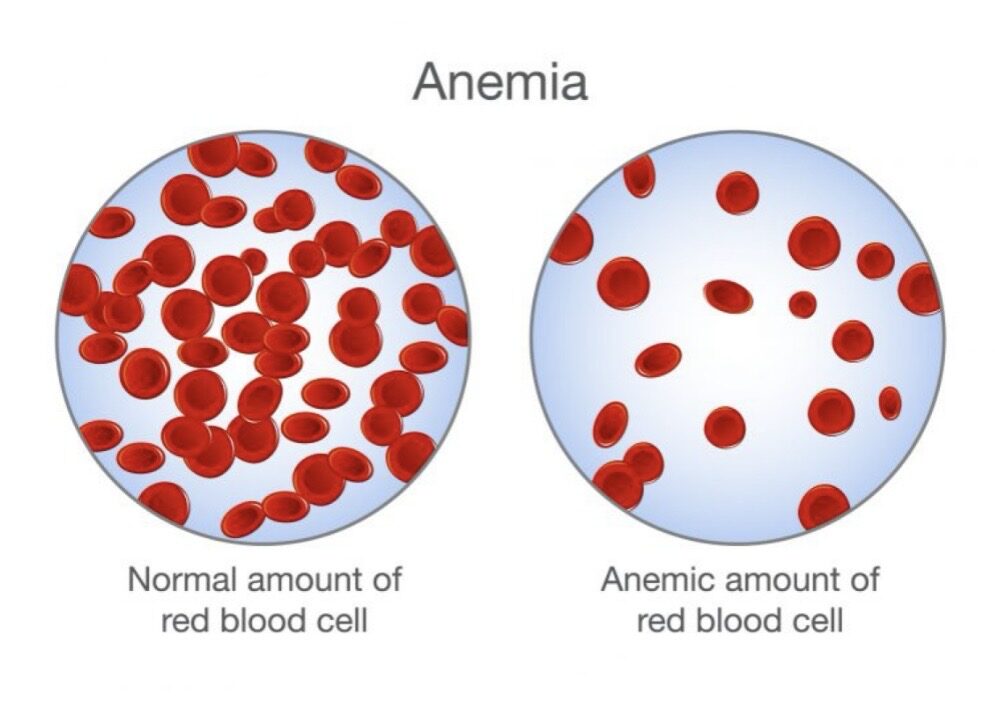
Anemia in children refers to a condition where hemoglobin levels fall below the normal range for age, leading to reduced oxygen supply to body tissues. According to the World Health Organization, anemia is one of the most common childhood health problems globally, especially in developing countries such as India
Low haemoglobin in kids can affect growth, immunity, learning ability, and overall development, making early detection very important.
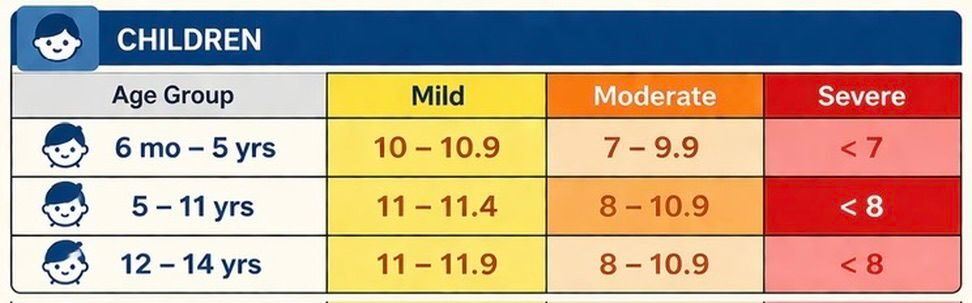
- Haemoglobin levels in children :-
- Types of anemia:-
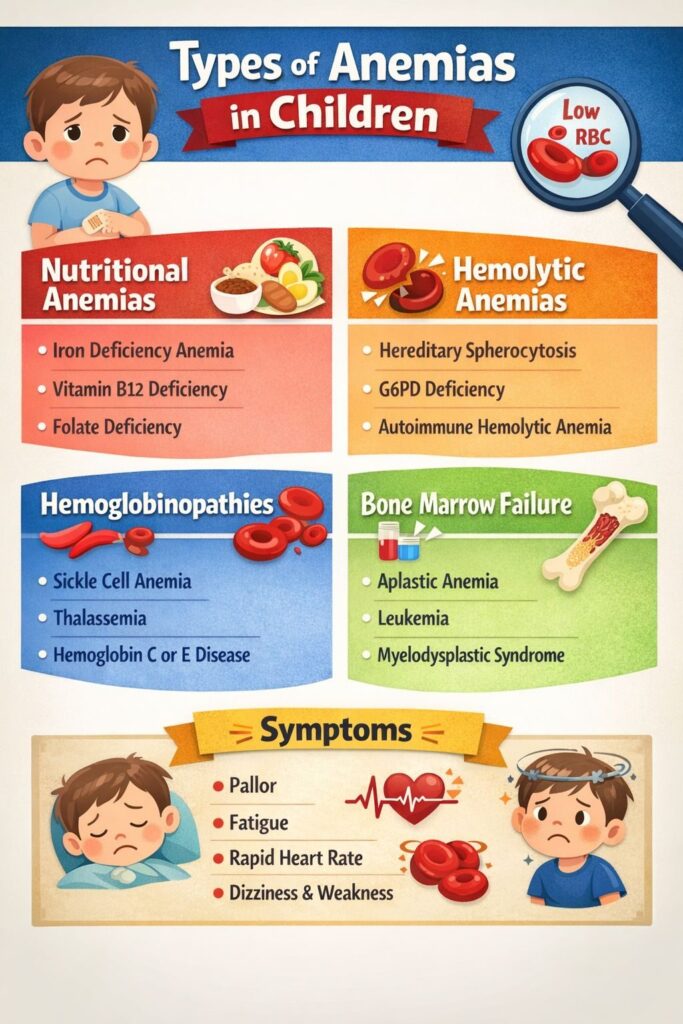
Iron deficiency anemia:- Caused by a lack of iron in the body. Iron is essential for the production of hemoglobin,a protein in red blood cells that carries oxygen to the body’s tissues. A lack of iron can result in a reduced number of red blood cells and decrease in haemoglobin.
Causes of Iron deficiency anemia
- Low iron diet : Not enough iron is being absorbed by the body through nutrition.
- Body changes : sometimes, growth spurts can create a shortage in red blood cells.
- Dysfunction in the gastrointestinal system : iron is absorbed in the small intestine.when there is dysregulation in the small intestine. It makes it difficult for the body to absorb iron.
- Blood loss/hemorrhage : Bleeding can cause a decrease in red blood cells and iron.
- Breast feeding without inclusion of iron-rich foods starting around 6months
- Iron content in common foods
| FOOD ITEM | Approximate iron content per 100 g |
| Lean red meat | 2.6mg |
| Poultry (chicken) | 1.3mg |
| Fish ( tuna/sardine etc) | 1.0-1.5mg |
| Lentils | 3.3mg |
| Beans ( kidney /black avg) | 2.5-3mg |
| Spinach | 2.7mg |
| iron fortified cereals | 4-12mg |
Why does anemia occur in children ?
Nutritional deficiency
Nutritional deficiency is the most common cause of anemia in children worldwide, particularly in developing countries. Rapid growth during infancy, childhood, and adolescence increases the body’s demand for essential nutrients required for red blood cell production.
The most important nutrient involved is iron, which is required for hemoglobin synthesis. When dietary iron intake is insufficient, iron stores become depleted, eventually leading to iron deficiency anemia.
Other nutritional deficiencies that may contribute to anemia include:
•Vitamin B12 deficiency, which impairs DNA synthesis and leads to megaloblastic anemia.
•Folate deficiency, which also affects red blood cell maturation.
•Protein deficiency, which may reduce the production of hemoglobin and red blood cells.
Poor dietary habits, delayed introduction of complementary foods, exclusive consumption of cow’s milk in infants, and limited intake of iron-rich foods such as green leafy vegetables, pulses, and meat can all increase the risk of nutritional anemia.
Chronic infections
Chronic infections can lead to a condition known as anemia of chronic disease or anemia of inflammation. In this condition, the body’s inflammatory response interferes with iron metabolism and red blood cell production.
Certain infections commonly associated with anemia in children include:
•Tuberculosis
•Chronic bacterial infections
•Human immunodeficiency virus (HIV)
•Long-standing inflammatory diseases
Inflammatory cytokines released during chronic infections reduce iron availability for hemoglobin synthesis and suppress bone marrow activity. As a result, even if iron stores are present in the body, they may not be effectively utilized for red blood cell production.
Parasitic infestation
Parasitic infections are an important but often overlooked cause of anemia in children, particularly in regions with poor sanitation and hygiene.
Common parasites that contribute to anemia include:
- Hookworm infections – which cause chronic intestinal blood loss.
- Malaria – which destroys red blood cells and suppresses bone marrow function.
- Intestinal worms – which may impair nutrient absorption and cause chronic blood loss
Genetic disorders
Some children develop anemia due to inherited disorders affecting RBCs or hemoglobin production . These conditions are usually chronic and may usually require lifelong management
Examples:
- Thalassemia – A genetic disorder characterised by reduced production of globin chains in hemoglobin.
- Sickle cell anemia – caused by an abnormal hemoglobin structure that leads to RBCs destruction.
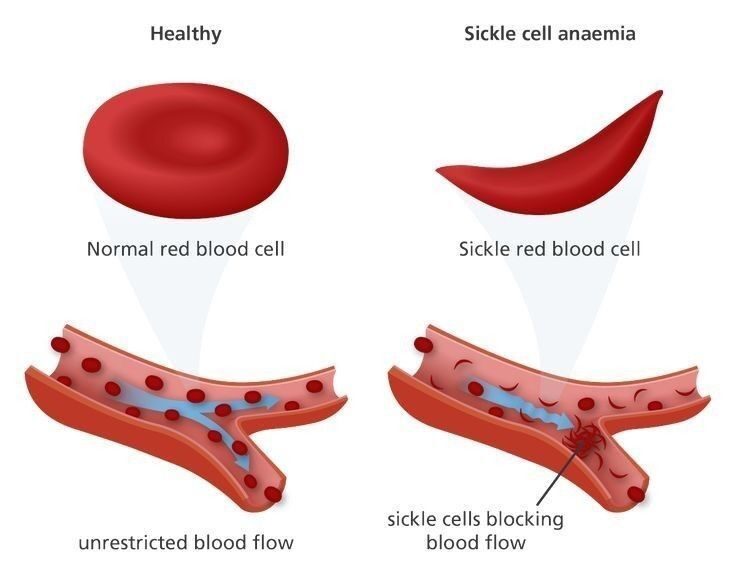
- Hereditary hemolytic anemia – conditions where RBCs are destroyed prematurely
Children with genetic anemias often present with persistent anemia, jaundice,enlarged sleep,and growth delays .
Why is anemia a serious problem in children ?
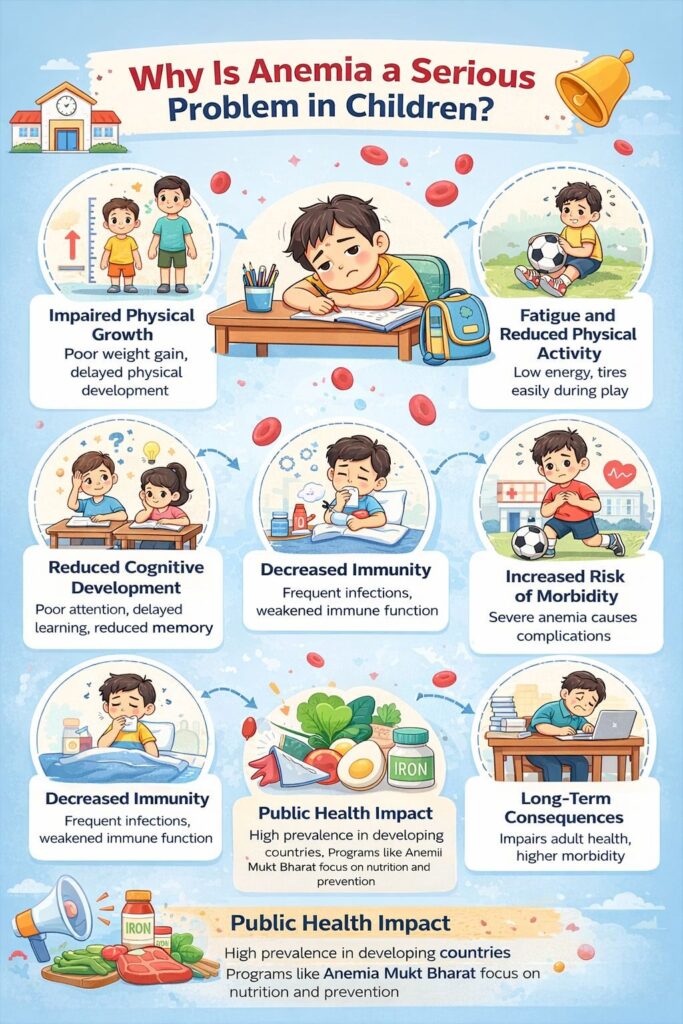
Anemia in children is considered a significant public health concern because it affects multiple aspects of a child’s growth,development,and overall health.
Diagnosis
Diagnosis involves clinical assessment along with laboratory investigation
Early detection is important because untreated anemia can affect growth,cognitive development,and immunity in children.Early detection through blood test and proper evaluation helps in timely treatment and prevent serious health problems. Regular health checkups play a key role in keeping children healthy.
Treatment
The treatment of anemia in children depends on the underlying cause, severity of anemia, and the child’s overall health status.
Nutritional management
It plays a crucial role in treatment of anemia , particularly in cases of iron deficiency. Children should be encouraged to consume a balanced diet rich in essential nutrients for red blood cell production.
- Important dietary source include:
- Iron-rich foods: green leafy vegetables, lentils, beans, jaggery, meat, fish, and fortified cereals.
- Folate rich foods- legumes , spinach, broccoli, citrus fruits
- Vitamin B12 sources-milk, eggs, meat, and dairy products.
- Vitamin C rich food, such as oranges, guava, and tomatoes should be included in the diet because they enhance the absorption of iron from the intestine.
- Blood transfusion
In cases of severe anemia life threatening symptoms, blood transfusion may be required to rapidly increase haemoglobin levels and improve oxygen delivery to tissues. Blood transfusion is also commonly required in children with chronic haemolytic disorder such as thalassaemia.
However, transfusion is used cautiously and only when necessary due to potential risk and complication.
- Antihelminithic therapy for intestinal worm infestation.
Regular deworming is a key step in preventing and treating anemia. MASS DEWORMING PROGRAMME as recommended by the world health organisation children high risk area should receive periodic deworming once every 6 month special school going children. This helps reduce anemia, improve nutrition and enhance overall growth and learning.
Preventive strategies
- Infants – breasted infants should start iron fortified cereals at 4 to 6 months. Non-breasted infants should use iron fortified formula.
- Screening – children should be screened for anemia , especially at 12 months or sooner if they were premature or low birth weight
Important safety warning-iron supplementation should be kept out of reach of children as accidental injection is a common cause of poisoning.
Public health measures
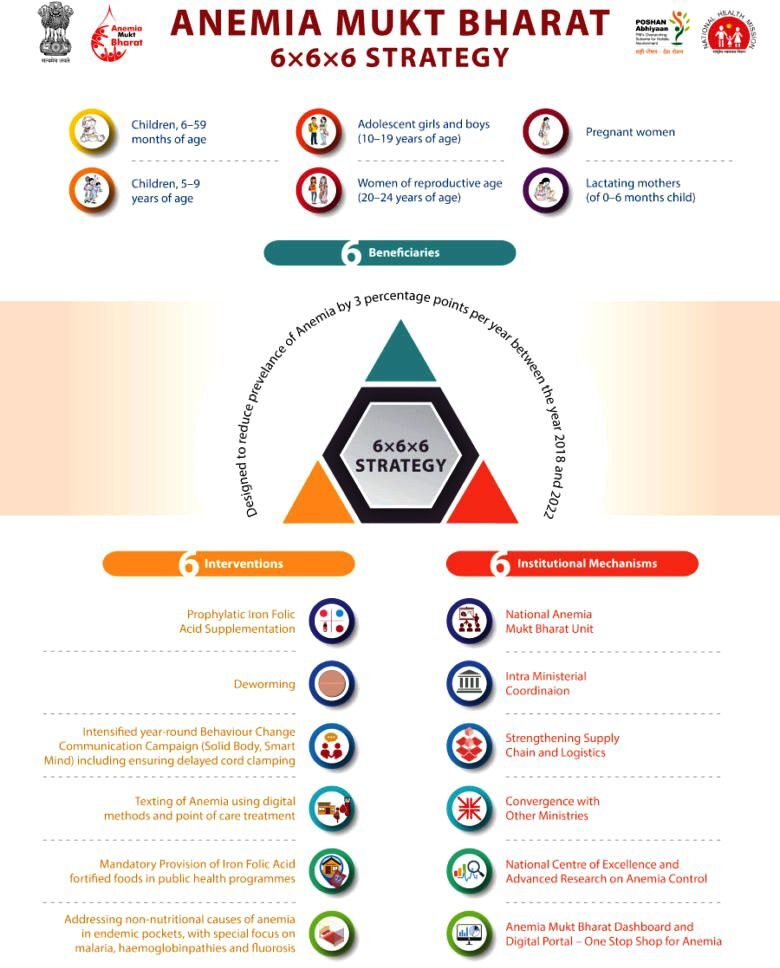
Anemia mukt Bharat means “ Anemia free India”. It is a national health program started by the government of India to reduce anemia especially among children, women, and pregnant mothers. The program focuses on improving the health of people by increasing haemoglobin level and preventing the complications of anemia like weakness, growth and low immunity.
Why is this program important?
In India, many children and women suffer from anemia due to poor nutrition, worm infection, frequent illness, lack of awareness about healthy diet
What does the programme do?
The anemia Mukt Bharat works through simple impractical step
- Iron and folic acid supplements
- Deworming
- Nutritional education
- Testing and treatment
- Focus on hygiene
Who benefits from this program?
Children, 6 months to 19 years
Pregnant and lactating women
Women of reproductive age.
Conclusion
Anemia in children is not just a lab value or a diagnosis—it reflects a child’s energy, growth, learning, and overall well-being
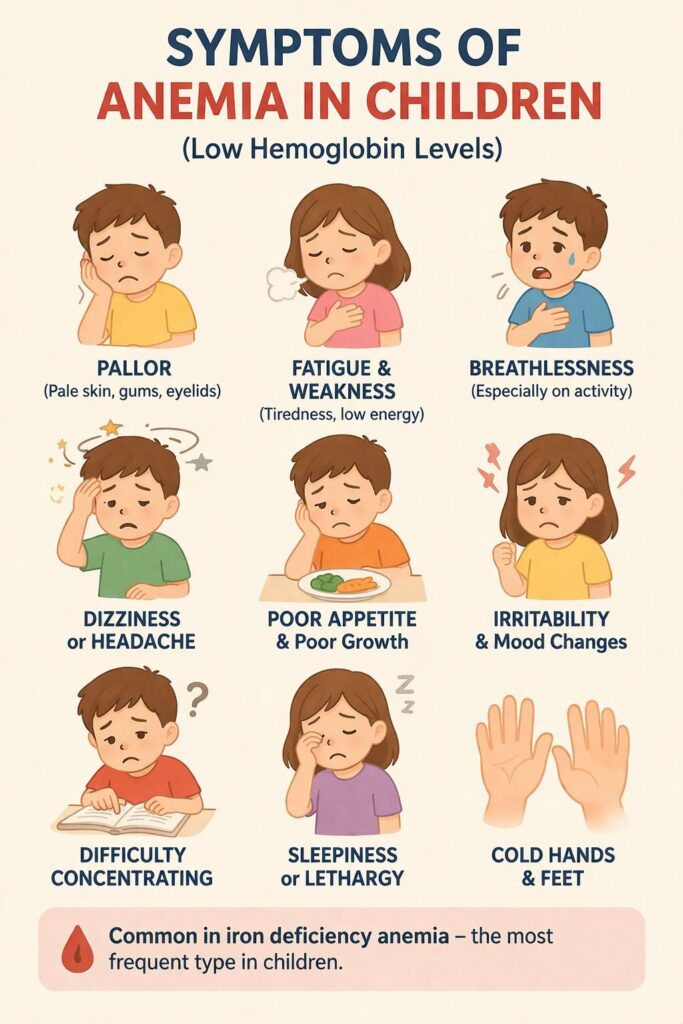
It’s important for parents and caregivers to remember that fatigue, poor appetite, or reduced activity in a child should not be ignored or simply attributed to “growing up.” Seeking guidance at the right time can prevent long-term effects on physical and cognitive development.
Every child deserves the chance to grow, play, and learn to their fullest potential. By staying informed and attentive, we can work together to ensure that anemia does not quietly hold them back.
Early diagnosis, balanced nutrition, and awareness can prevent most cases of childhood anemia and support, healthy growth and development.